ForOnlinecourses55
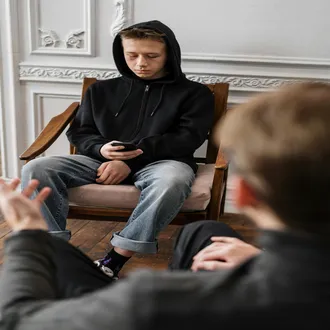
Signs in the classroom: how teachers can detect abuse at home - violence domestic family
As educators, we play a crucial role in our students' lives. We spend hours with them, watching them interact, learn, and grow. This closeness makes us, unknowingly, a first line of defense against child abuse.
Often, the classroom becomes a safe space where children feel comfortable enough to show signs that would otherwise remain hidden. This article aims to provide educators with the tools and knowledge needed to identify these signs and act effectively.
Observation is key. It is not about being detectives, but about being attentive to changes in a child’s behavior, emotional state, or physical appearance. The classroom, with its social and academic dynamics, can reveal much about a child’s situation at home. Let us pay attention to the details.
Child abuse is not always physical. It can manifest in various ways:
Physical signs are often the easiest to identify, but they can also be the hardest to interpret. Not all bruises indicate abuse, but it is important to be alert to:
A child’s behavior can be a strong indicator that something is wrong. Some behavioral indicators include:
Suspecting child abuse can be a frightening experience, but it is crucial to act. Here are some steps to follow:
It is crucial to maintain confidentiality and protect the child throughout the process. Avoid discussing the case with other parents or teachers who are not directly involved. Ensure the child feels safe and supported. Explain that they are not alone and that there are people who want to help them.
There are numerous resources available to help teachers identify and address child abuse:
Remember: You are not alone in this. Many people and organizations are willing to help you.
The fight against child abuse is a collective commitment. As educators, we have a special responsibility to protect our students. By being attentive to the signs, acting quickly, and seeking help when necessary, we can make a real difference in a child’s life.
This article has been designed to provide information and guidance to teachers. Remember that each case is unique and requires an individualized approach. Do not hesitate to seek professional help if you have any doubts or concerns.


![Safety plan [safety plan]: vital steps before leaving your abuser](/images/postDuplicados/onlinecourses55-safety-plan-safety-plan-vital-steps-before-leaving-your-abuser.webp)