For Onlinecourses55
|
2026-08-26
For Onlinecourses55
|
2026-08-26
Is it necessary to take supplements if i follow a gluten-free diet? - nutrition celiac
If you are considering removing gluten from your diet, it’s natural to question whether supplements are necessary. Aiming to learn more? Enroll in a detailed online course on gluten-free nutrition, where we discuss common misconceptions.
Hello! If you are reading this, you are probably thinking about removing gluten from your diet or have already done so. The million-dollar question is: do you need to start taking a bunch of supplements to stay healthy? Let's unravel this topic together, calmly and without drama.
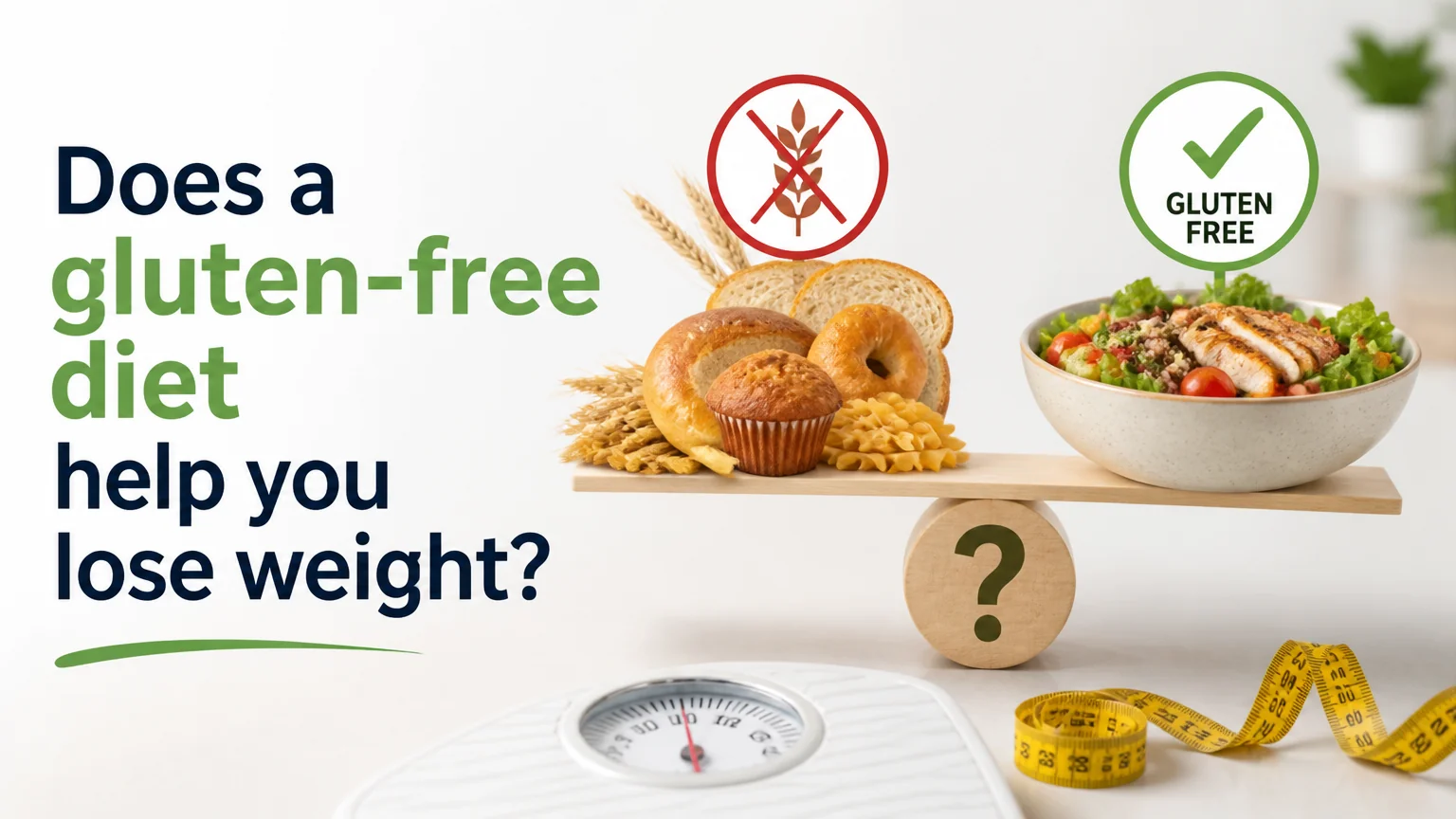
To begin, let's talk about what a gluten-free diet truly entails. Basically, it involves avoiding foods that contain gluten, a protein found in wheat, barley, and rye. This means saying goodbye to many delicious things like traditional bread, pasta, some beers, and many processed products.
The gluten-free diet is essential for people with celiac disease, an autoimmune condition where gluten damages the small intestine. It is also common among people with non-celiac gluten sensitivity, who experience symptoms similar to those of celiac disease, but without intestinal damage. Sometimes, even by personal choice, people opt for this type of diet.
Now, this is where things get interesting. By eliminating certain foods from your diet, you might be missing out on important nutrients. Think about this: many gluten-containing fortified products (like bread and cereals) are enriched with essential vitamins and minerals. By eliminating them, you must ensure you get those nutrients from other sources.
Following a gluten-free diet can limit the variety of foods you consume. If you are not careful, you might end up eating the same thing all the time, which is not ideal for obtaining all the nutrients you need.
Here are some of the usual suspects concerning nutritional deficiencies in people following a gluten-free diet:
Iron is crucial for transporting oxygen in the blood. Many people with celiac disease have trouble absorbing iron, even before starting a gluten-free diet.
Calcium is vital for bone and teeth health. Some gluten-free products are not fortified with calcium, which can lead to deficiencies.
Fiber is important for digestion and heart health. Many gluten-free foods, such as gluten-free white bread, have less fiber than their gluten-containing counterparts.
These vitamins are essential for energy and nerve function. Some people following a gluten-free diet may have difficulty getting enough B12 and folate from their foods.
Vitamin D is important for calcium absorption and immune health. Many people, regardless of their diet, have low levels of vitamin D, and a restrictive diet could exacerbate this problem.
The big question... When is it truly necessary to take supplements?
The short answer is: it depends. It is best to talk to a doctor or a registered dietitian. They can assess your nutritional status, analyze your eating habits, and determine if you have any deficiencies. A blood test can reveal a lot about your vitamin and mineral levels.
If it turns out you have a deficiency, your doctor or dietitian may recommend supplements. Here are some common supplements that might be beneficial:
A good multivitamin can help cover some of the bases, ensuring you get a wide range of vitamins and minerals.
If you have iron deficiency anemia, your doctor might prescribe iron supplements. Watch out!: Iron can cause constipation, so make sure to drink plenty of water and consume fiber-rich foods.
If you are not getting enough calcium and vitamin D from your diet, supplements can be useful for keeping your bones strong.
If you have trouble getting enough fiber, you might consider taking a fiber supplement like psyllium or methylcellulose.
If your B12 or folate levels are low, your doctor may recommend supplements of these vitamins.
Not all is lost! Here are some tips to ensure your gluten-free diet is as nutritious as possible, without relying too heavily on supplements:
Fill your plate with fruits, vegetables, lean proteins (like chicken, fish, and beans), and gluten-free grains like quinoa, brown rice, and amaranth. These foods are naturally rich in nutrients.
Don't get stuck eating only one type of gluten-free food. Experiment with different recipes and try new ingredients. Variety is key!
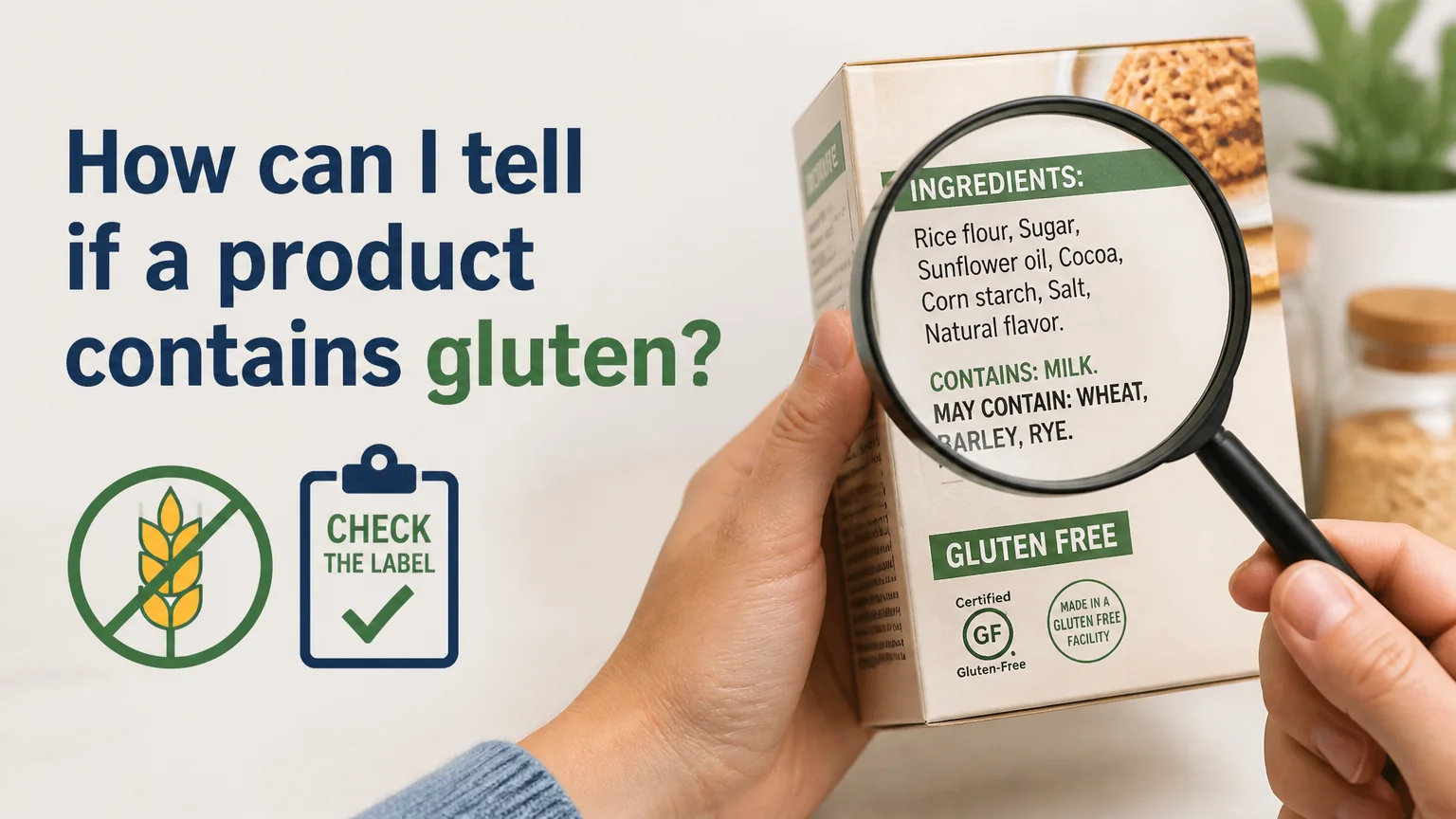
When buying gluten-free products, read the labels to ensure they are fortified with important vitamins and minerals. Look for products that are high in fiber and low in added sugar.
In summary, do you need to take supplements if you follow a gluten-free diet? Not necessarily. If you eat a balanced and varied diet, focusing on natural and fortified foods, you may be able to get all the nutrients you need without supplements. However, it is essential to consult with a healthcare professional to evaluate your individual needs and determine if you have any deficiencies. There is no one-size-fits-all answer! Listen to your body and seek professional guidance to make informed decisions about your health.
FAQ 1: What foods should I avoid on a gluten-free diet?
You must avoid foods that contain wheat, barley, rye, and their derivatives. This includes traditional bread, pasta, cereals, cookies, cakes, and many sauces and processed products. Always read the labels!
FAQ 2: How can I tell if I have nutritional deficiencies?
Symptoms of nutritional deficiencies can vary, but some common signs include fatigue, weakness, pale skin, digestive issues, and mood changes. The best way to know for certain is to get a blood test.
FAQ 3: How long should I take supplements if I have a deficiency?
The duration of supplement treatment depends on the severity of your deficiency and your response to the treatment. Your doctor will tell you how long you should take the supplements and when you should get follow-up blood tests.
FAQ 4: Are there side effects when taking supplements on a gluten-free diet?
Some supplements can cause side effects, such as stomach upset, constipation, or diarrhea. It is important to follow your doctor's instructions and start with low doses to minimize the risk of side effects.
FAQ 5: Can I get all the necessary nutrients only from gluten-free foods?
Yes, it is possible to get all the necessary nutrients only from gluten-free foods, provided you follow a balanced and varied diet, focusing on natural and fortified foods. Plan your meals and be sure to include a wide variety of fruits, vegetables, proteins, and gluten-free grains!
Search
Popular searches