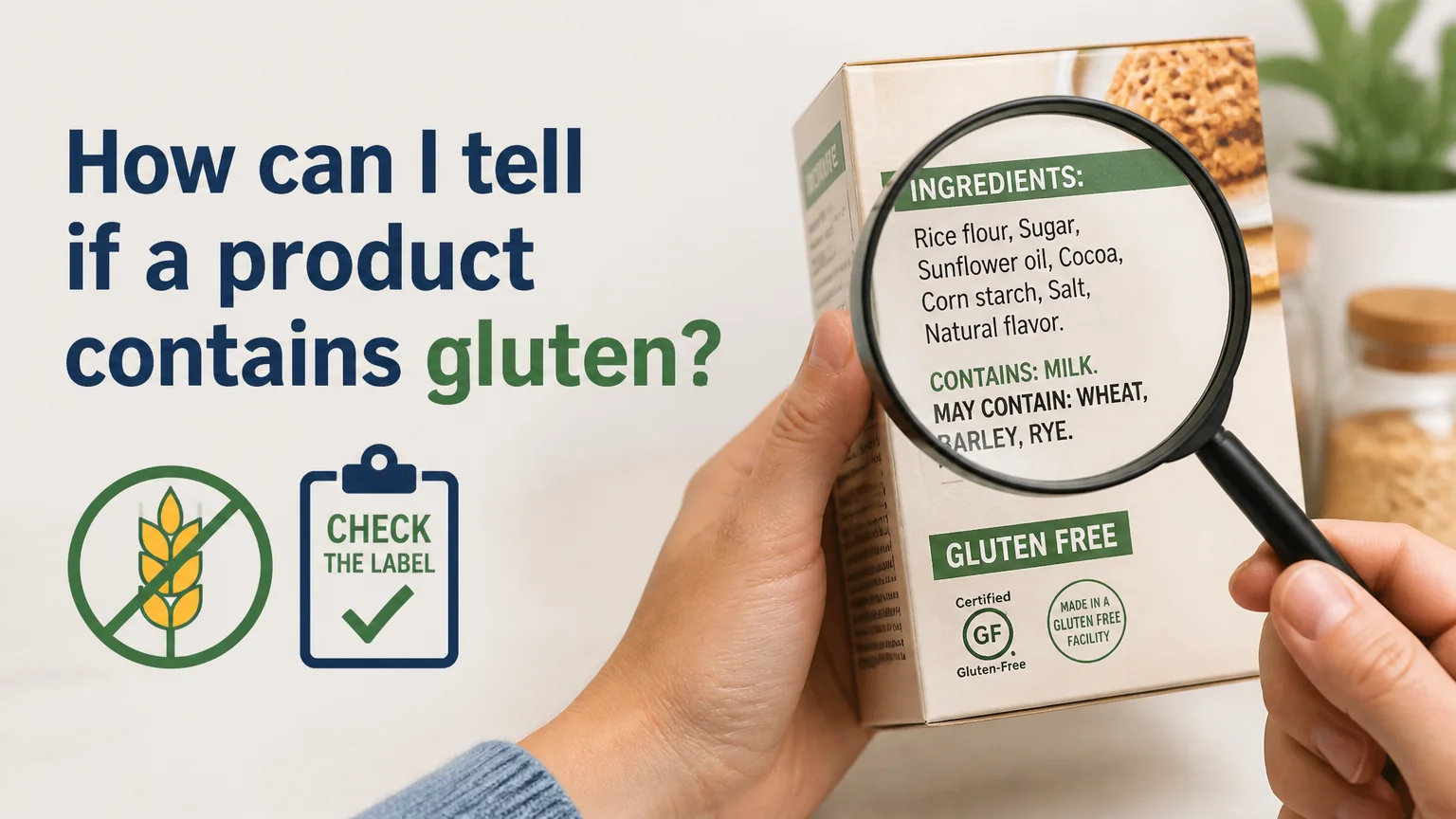
Have you ever wondered if that delicious cake or that sauce you love contains gluten? If you are celiac, gluten-sensitive, or simply looking for healthier options, knowing how to identify gluten in products is crucial. Discover an online course focused on gluten-free living that will empower you to eat safely and enjoyfully.
Have you ever wondered if that delicious cake or that sauce you love contains gluten? If you are celiac, gluten-sensitive, or simply looking for healthier options, knowing how to identify gluten in products is crucial. In this article, I will guide you step-by-step to become an expert in gluten detection. Let's get to it!
What is Gluten and why is it important to know if it is present?
Before diving into labels and ingredients, it is essential to understand what gluten is and why it is so important to identify it, especially if you have a medical condition.
What is gluten?
Gluten is a protein found naturally in some cereals such as wheat, barley, rye, and spelt. It acts as a kind of "glue" that gives elasticity to the dough and allows bread to rise and have that chewy texture we love. Think of gluten as the reason your pizza doesn't fall apart when you cut it.
Why is it important to identify gluten?
For people with celiac disease, gluten consumption can trigger an autoimmune reaction that damages the lining of the small intestine. This can cause a variety of symptoms such as abdominal pain, fatigue, diarrhea, and nutrient absorption problems. Additionally, some people may have non-celiac gluten sensitivity, experiencing similar symptoms but without the associated intestinal damage. Even for those without any medical condition, reducing gluten consumption can be an option to improve digestion and increase energy.
Product Labels: Your first line of defense
A product label is your best ally in the fight against gluten. Knowing how to read it correctly can make the difference between a safe meal and a stomach crisis.
Understanding the Ingredients List
The ingredients list is where you will find the most valuable information. Ingredients are listed in descending order by weight, meaning the first ingredients are those found in the largest quantity in the product. Pay special attention to the first ingredients!
Looking for Keywords that Indicate the Presence of Gluten
There are certain keywords that should trigger your alarms. Here is a list of the usual suspects:
Wheat, Barley, Rye, and Spelt: The Gluten Fantastic Four
These are the most common cereals that contain gluten, so if you see any of them on the ingredient list, beware!
- Wheat: Present in flours, breads, pastas, and many baked goods.
- Barley: Used in the production of beer, malt, and some cereals.
- Rye: Found in whole-grain breads, crackers, and some types of whiskey.
- Spelt: A type of ancient wheat that is becoming more popular.
"Hidden" Ingredients You Should Know
Sometimes, gluten hides under less obvious names. Here are some ingredients that might contain gluten:
- Modified starch: Unless specified as being from corn, potato, or tapioca, it could be from wheat.
- Maltodextrin: In some cases, it may be derived from wheat.
- Hydrolyzed vegetable protein: Depending on its origin, it could contain gluten.
- Artificial flavorings: Some flavorings may contain gluten as a thickener or stabilizer.
- Soy sauce: Most commercial soy sauces contain wheat.
Gluten-Free Certifications: The Seal of Guarantee
"Gluten-free" certifications are like a seal of approval that gives you the peace of mind that the product has been tested and meets established standards.
What do "Gluten-Free" Certifications Mean?
These certifications guarantee that the product contains less than a certain level of gluten, generally 20 parts per million (ppm), which is the internationally accepted standard for "gluten-free" products.
Brands and Organizations that offer Reliable Certifications
- Association of Celiacs and Gluten Sensitive (ACELU): In Spain, ACELU grants a seal of guarantee to products that meet its standards.
- Gluten-Free Certification Organization (GFCO): An international organization that certifies products worldwide.
- Certified Gluten-Free by NSF: Another reliable certification that guarantees the product has been tested and meets gluten standards.
Mobile Applications and Online Tools: Technological Help at Your Fingertips
In the digital age, we have incredible tools at our disposal that make life easier. Take advantage of them to identify gluten!
Apps for scanning barcodes and detecting gluten
There are several mobile applications that allow you to scan a product's barcode and get instant information about its ingredients and whether it contains gluten. Some of the most popular are:
- Find Me Gluten Free: A database with information on gluten-free products and restaurants.
- Schar: The app from the Schar brand, which offers information on their products and gluten-free recipes.
Online resources for searching ingredient information
If you don't have an app handy, you can always resort to the internet. There are many websites that allow you to search for information on ingredients and find out if they contain gluten. Some options are:
- The website of the Celiac Association in your country: They usually have very useful information on gluten-free products and brands.
- Blogs and forums about celiac disease and gluten sensitivity: You will find firsthand information and advice from other people who share your same concern.
Additional Tips for Avoiding Cross-Contamination
Even if a product is labeled "gluten-free," it is important to take precautions to avoid cross-contamination, especially if you are very sensitive to gluten.
At Home: How to Safely Prepare Gluten-Free Foods
- Thoroughly wash surfaces and utensils: Before preparing gluten-free foods, make sure that the countertop, cutting boards, knives, and other utensils are clean and free of gluten residue.
- Use separate utensils: Consider having a set of utensils exclusively for preparing gluten-free foods.
- Store gluten-free foods in separate containers: To avoid contamination, store gluten-free foods in airtight, labeled containers.
- Be careful with flour: Wheat flour can easily spread through the air, so be careful when using it and clean the area thoroughly afterward.
Outside the Home: Tips for Eating at Gluten-Free Restaurants
- Research before you go: Look for restaurants that offer gluten-free options and have good reviews from other celiacs.
- Call ahead: Call the restaurant and speak to the chef or manager to ensure they understand your needs and can prepare a safe meal for you.
- Be specific when ordering: Clearly explain that you are celiac or gluten-sensitive and ask about the ingredients and how the food is prepared.
- Be wary of sauces and dressings: Sauces and dressings often contain gluten, so ask about their ingredients and request gluten-free options.
Conclusion
Identifying gluten in products may seem complicated at first, but with a little practice and the right information, you will become an expert. Remember to always read labels, look for certifications, use technological tools, and take precautions to avoid cross-contamination. With these tips, you can enjoy safe and delicious food!
Frequently Asked Questions (FAQs)
- 1. What do I do if I am not sure if a product contains gluten?
- If you have doubts, it is best to avoid it. Look for certified "gluten-free" alternatives or contact the manufacturer for more information.
- 2. Can I trust labels that say "may contain traces of gluten"?
- These labels indicate that the product is manufactured in a facility where foods containing gluten are also processed, so there is a risk of cross-contamination. If you are very sensitive, it is better to avoid these products.
- 3. What happens if I eat gluten by mistake?
- If you are celiac, you will likely experience symptoms such as abdominal pain, diarrhea, and fatigue. Rest, hydrate, and follow a bland diet until you recover. If symptoms are severe, consult your doctor.
- 4. Is it more expensive to buy gluten-free products?
- In general, gluten-free products tend to be more expensive than their gluten counterparts. However, there are many affordable options available, especially if you buy basic ingredients and cook at home.
- 5. Where can I find gluten-free recipes?
- There are many online resources with gluten-free recipes. You can search specialized blogs, gluten-free brand websites, and platforms like Pinterest. Explore and experiment!
 For Onlinecourses55
|
2026-10-07
For Onlinecourses55
|
2026-10-07