For Onlinecourses55
|
2026-09-30
For Onlinecourses55
|
2026-09-30
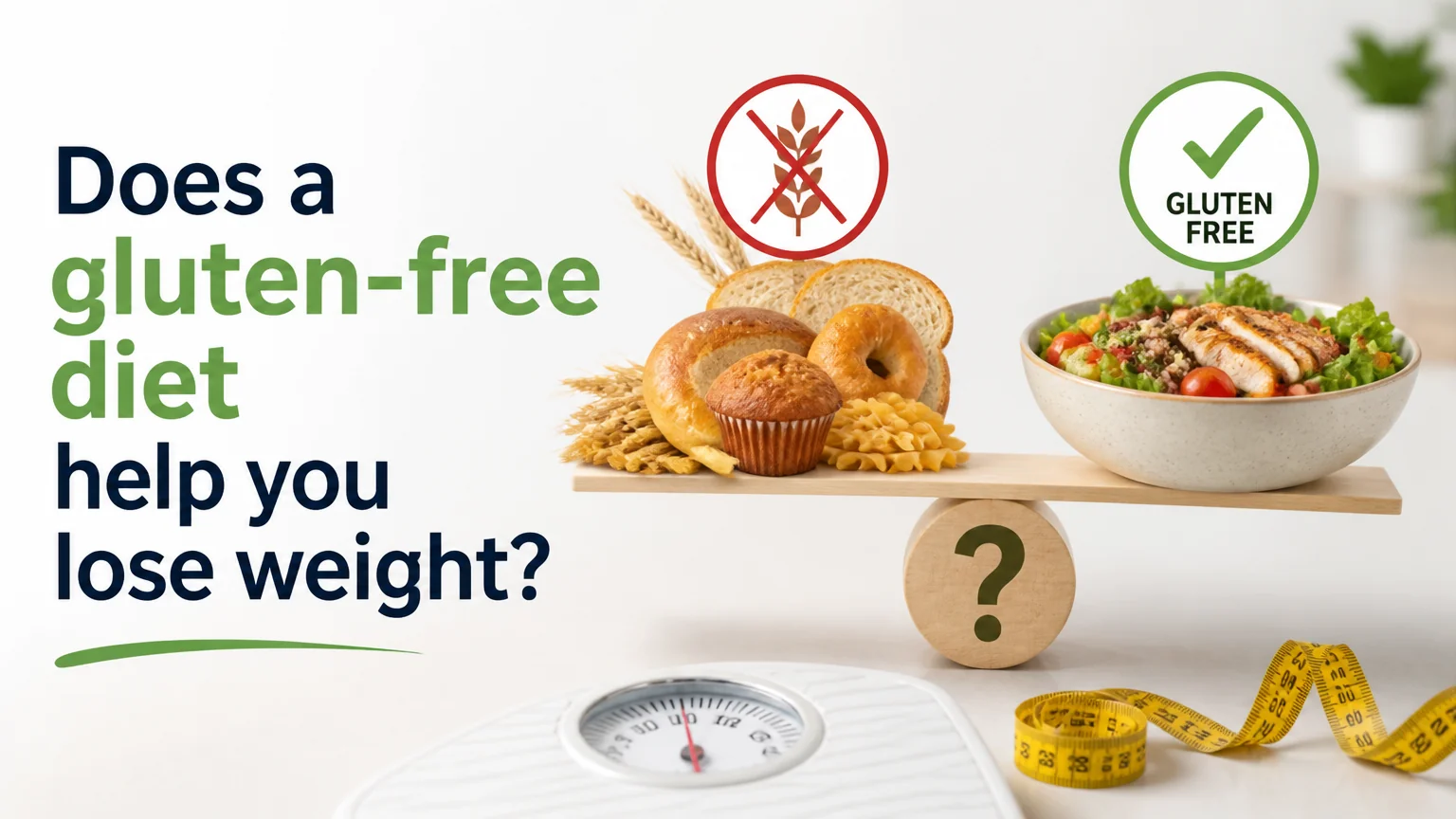
Does a gluten-free diet help you lose weight? - nutrition celiac
Have you ever wondered if eliminating gluten from your diet is the secret to shedding those extra pounds? The gluten-free diet has become very popular, but does it really work for everyone? We are going to explore the truth behind this food trend and discover if it is the key to achieving your weight goals. Get ready, because we are going to debunk some myths!
Before diving into the topic of weight loss, it is crucial to understand what exactly gluten is and why it generates so much controversy. Think of it as the "glue" that gives elasticity to bread dough and other baked goods.
Gluten is mainly found in grains like wheat, barley, and rye. This means it is present in a wide variety of foods, from bread and pasta to beer and some sauces. Warning! Reading food labels is essential.
For some people, gluten is not a friend. Those who suffer from celiac disease, an autoimmune condition, must avoid gluten at all costs, as it can damage their small intestine. Others may have non-celiac gluten sensitivity, experiencing symptoms such as bloating, fatigue, and headache after consuming gluten.
The gluten-free diet has transcended medical necessity and has become a popular trend among people looking to improve their health and potentially lose weight.
Some people report feeling more energetic, less bloated, and having better digestion when eliminating gluten from their diet. This can lead to greater adherence to generally healthier eating habits.
The gluten-free diet is essential for people with celiac disease and, in some cases, recommended for those with gluten sensitivity diagnosed by a doctor. For the rest, it is a personal choice that should be based on an individual evaluation and, preferably, with the guidance of a health professional.
This is where things get interesting. Eliminating gluten alone is not a guarantee of weight loss. However, it can indirectly influence your weight.
By eliminating foods like bread, pasta, and traditional baked goods, you may reduce your total calorie intake. But be careful! If you replace them with processed, high-calorie "gluten-free" alternatives, you won't see the desired results.
In some people, gluten may contribute to inflammation. Eliminating it could reduce this inflammation, which in turn might facilitate weight loss. However, this varies from person to person.
Here's the catch! Many "gluten-free" products on the market are full of added sugars, unhealthy fats, and other processed ingredients to improve their taste and texture. These products can be higher in calories and less nutritious than their gluten-containing counterparts. Always opt for whole foods that are naturally gluten-free, such as fruits, vegetables, lean proteins, and grains like quinoa and brown rice.
If you are considering a gluten-free diet for weight loss, it is important to do it smartly and healthily.
Fill your plate with fruits, vegetables, lean proteins (chicken, fish, legumes), healthy fats (avocado, nuts, olive oil), and naturally gluten-free grains like quinoa, brown rice, and amaranth.
Even healthy foods can lead to weight gain if consumed in excess. Pay attention to your portions and eat until you feel satisfied, not full.
Physical activity is essential for burning calories, improving your metabolism, and maintaining a healthy weight. Find an activity you enjoy and make it part of your daily routine. Walking, running, swimming, dancing... the options are endless!
The gluten-free diet can help you lose weight, but it is not a magic solution for everyone. Its effectiveness depends on how you implement it. If you focus on whole, unprocessed foods, control portions, and stay active, you can achieve positive results. However, if you fall into the trap of processed "gluten-free" products and forget healthy habits, you probably won't see the changes you expect. Consult a healthcare professional for personalized guidance!