ForOnlinecourses55

What should i do if i accidentally eat gluten? - nutrition celiac
Oops! You ate it. That little bite of pizza, that rogue crumb in the salad... Gluten! If you are sensitive to gluten or have celiac disease, this is a scenario that has surely worried you. Don't panic. Although it's not fun, there are things you can do to minimize symptoms and recover as quickly as possible. Let's get to it.
Before panicking and thinking the world is ending, let's understand a little bit about what is happening in your body.
Gluten is a protein found in wheat, barley, and rye. For people with celiac disease or non-celiac gluten sensitivity, gluten can trigger an immune response that damages the small intestine (in the case of celiac disease) or causes a variety of unpleasant symptoms.
Symptoms vary from person to person, but some of the most common include:
Okay, you know you ate gluten. Now what?
Was it a small bite or did you eat an entire slice of cake? The amount of gluten consumed will influence the severity of the symptoms. If it was a minimal amount, your symptoms may be mild. If it was a large amount, prepare for a not-so-pleasant day (or two).
Drinking plenty of water is crucial. Gluten can cause inflammation and affect your digestion. Hydration helps your body eliminate toxins and facilitates the digestive process. Opt for water, herbal tea (gluten-free, of course), or clear broth.
Your body is working hard to deal with the intruder (gluten). Give it a break. Avoid strenuous activities and try to reduce stress. Stress can exacerbate symptoms. A quick nap? It might be just what you need!
Let's see how we can relieve those annoying symptoms.
You can find allies in the pharmacy to control some of the symptoms.
If you experience bloating, itching, or skin rashes, an over-the-counter antihistamine can help relieve these symptoms. Follow the package instructions.
If abdominal pain is unbearable, you can consider an over-the-counter pain reliever like paracetamol or ibuprofen. Warning! If you have celiac disease, consult your doctor before taking any medication, as some may contain gluten.
Nature also lends us a hand.
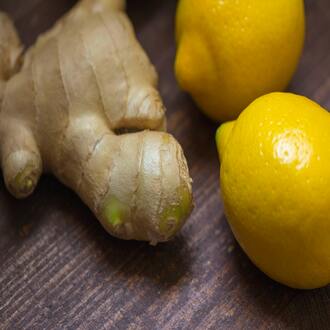
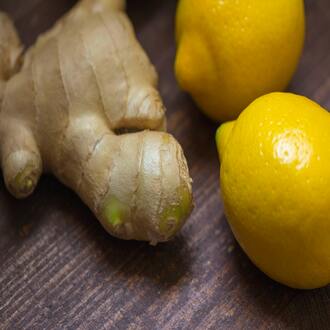
Ginger is known for its anti-inflammatory properties and can help relieve nausea. Prepare a cup of fresh ginger tea or buy ginger tea bags.
Mint can help soothe the stomach and relieve indigestion. You can drink mint tea or suck on mint candies.
What you eat after gluten exposure is crucial for a quick recovery.
Choose foods that are gentle on your digestive system. Some good options include:
Avoid processed foods, refined sugar, dairy (some people sensitive to gluten are also sensitive to lactose), and saturated fats. These foods can exacerbate inflammation and prolong symptoms.
The best way to avoid symptoms is, of course, to avoid gluten entirely.
Become a label detective. Carefully review the ingredient list of all foods you consume. Look for keywords such as "wheat," "barley," "rye," "malt," and "modified starch." Pay attention to warnings about "may contain traces of gluten."
Eating out can be a challenge. Be sure to inform your server about your gluten sensitivity and ask how the food is prepared. Don't be afraid to ask specific questions about ingredients and cross-contamination.
If you are going to a dinner party at a friend's or family member's house, inform them in advance about your need to avoid gluten. Offer to bring a gluten-free dish to share.
In most cases, symptoms after accidentally ingesting gluten are annoying but not dangerous. However, there are situations where you should seek medical attention.
If you experience any of the following symptoms, seek immediate medical attention:
Gluten sensitivity or celiac disease are chronic conditions that require long-term management.
It is important to consult regularly with a doctor to monitor your health and ensure you are receiving appropriate treatment.
A dietitian or nutritionist specializing in celiac disease can help you create a balanced, gluten-free eating plan that meets your nutritional needs.
Accidentally eating gluten can be an unpleasant experience, but with the right steps, you can minimize symptoms and recover quickly. Remember, prevention is key. Always read labels, be careful when eating out, and consult regularly with a healthcare professional. Don't let a small mistake discourage you!
The duration of symptoms varies from person to person and depends on the amount of gluten consumed. Generally, symptoms can last from a few hours to several days.
Some people find relief in digestive enzymes that contain enzymes that break down gluten. However, it is important to note that these products are not regulated, and their effectiveness may vary. Consult your doctor before taking any supplements.
To avoid cross-contamination at home, use separate cutting boards and utensils for gluten-free foods. Wash surfaces and utensils thoroughly after each use. Store gluten-free foods in airtight containers separate from gluten-containing foods.
If you suspect you have celiac disease or gluten sensitivity, it is important to consult your doctor for a blood test. The blood test can help detect antibodies related to celiac disease.
If you experience severe vomiting or diarrhea, it is important to stay hydrated. Drink small sips of water or sports drinks with electrolytes. If symptoms persist or worsen, seek medical attention.