For Onlinecourses55
|
2026-10-18

Balanced nutrition for older adults - nutrition geriatrics
If you're interested in empowering seniors with the right dietary habits, consider exploring our in-depth course on geriatric nutrition, designed to help you master the art of balanced nutrition for older adults.
Hello everyone! If you are here, it is because you care about the health and well-being of older adults. In this article, we are going to dive deep into the fascinating world of balanced nutrition for seniors. Get ready to discover how adequate nutrition can make a HUGE difference in their quality of life.
Balanced nutrition is not just "eating healthy"; it is a powerful tool to combat the effects of aging and maintain vitality.
As the years pass, our body experiences a series of changes that affect how we process food. Digestion becomes slower, nutrient absorption decreases, and metabolism slows down. Furthermore, it is common for older people to have a reduced appetite or difficulty chewing and swallowing.
This means they need a diet rich in essential nutrients, yet adapted to their specific needs.
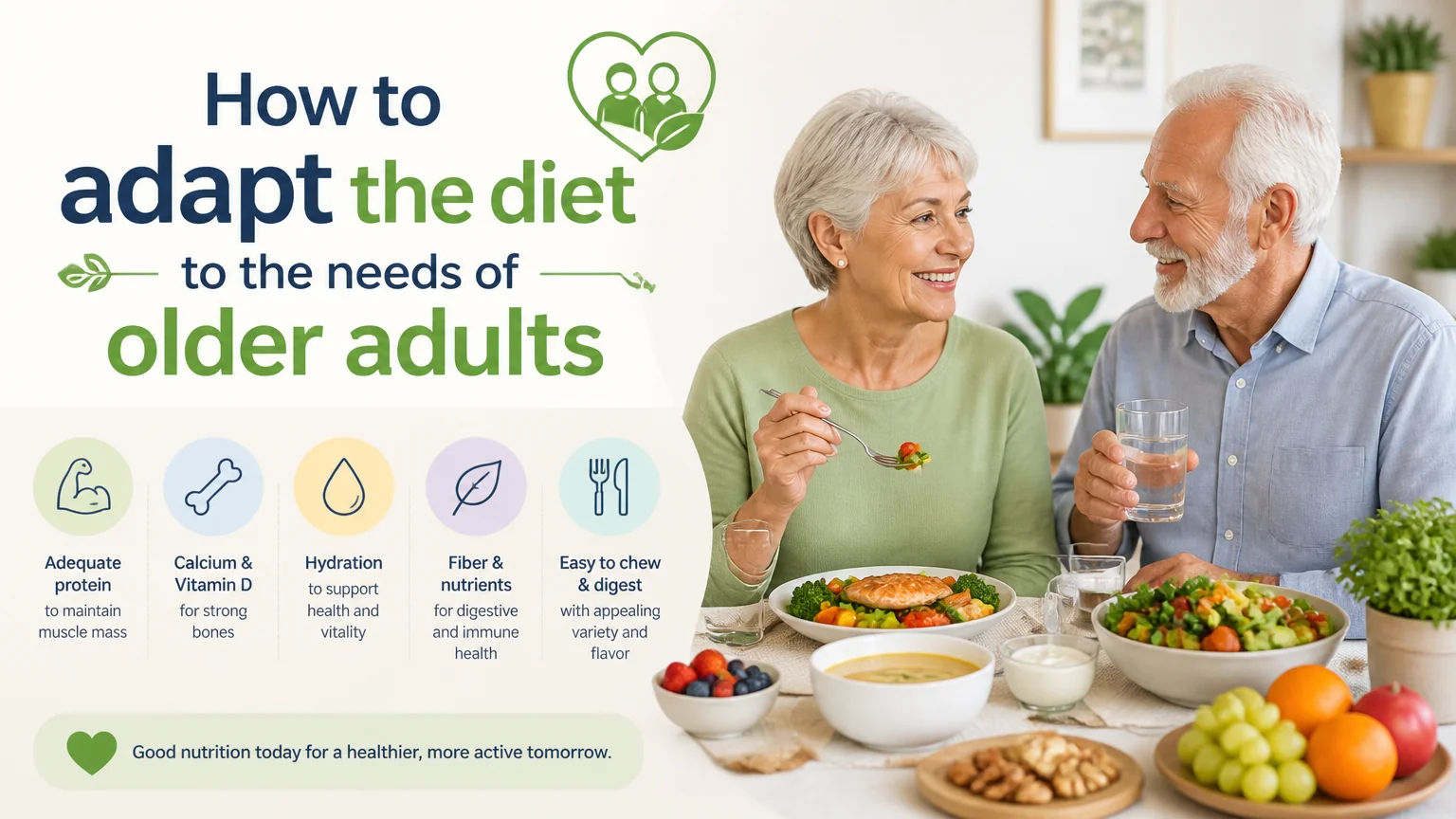
Proteins are essential for maintaining muscle mass, repairing tissues, and strengthening the immune system. As we age, we naturally lose muscle mass, making it crucial to consume enough protein to counteract this process.
Carbohydrates are the body's main source of energy. However, not all carbohydrates are created equal.
It is important to prioritize complex carbohydrates over simple ones to maintain stable energy levels and avoid health problems.
Fats are essential for health, but it is important to choose the right fats.
Vitamins and minerals are essential micronutrients that play a crucial role in many bodily functions.
Calcium is fundamental for maintaining bone health and preventing osteoporosis. Vitamin D helps the body absorb calcium.
Vitamin B12 is essential for nerve function and the production of red blood cells. As we age, it can become more difficult to absorb Vitamin B12 from food.
Antioxidants are substances that protect cells from damage caused by free radicals, unstable molecules that contribute to aging and chronic diseases.
Planning meals in advance can help ensure you are getting all the nutrients you need. Dedicate some time each week to plan your meals and make a shopping list.
Hydration is fundamental for health at all ages, but it is especially important for older adults. As we age, we can lose the sensation of thirst, which increases the risk of dehydration.
Every person is different, and nutritional needs vary according to age, health status, and physical activity level. It is important to consult a doctor or a registered dietitian for personalized recommendations.
These ingredients can contribute to health problems such as high blood pressure, diabetes, and heart disease. Read food labels and choose options low in salt, sugar, and saturated fats.
Fiber is essential for digestive health and helps prevent constipation, a common problem in old age. Make sure to include enough fiber-rich foods in your diet, such as whole grains, fruits, vegetables, and legumes.
In summary, balanced nutrition is an investment in the health and well-being of seniors. By adopting healthy eating habits, older adults can enjoy a more active, healthier, and happier life. Don't underestimate the power of food!
1. How much protein does an older adult need per day?
The recommended amount of protein for older adults is approximately 1-1.2 grams per kilogram of body weight per day. Consult a health professional to determine your specific needs.
2. Is it necessary to take vitamin supplements in old age?
In some cases, it may be necessary to take vitamin supplements to cover nutritional needs, especially if there are specific deficiencies. Consult a doctor or a registered dietitian before taking any supplements.
3. How can I improve the appetite of an older adult who has lost interest in food?
Offer small, frequent meals, prepare appealing and tasty dishes, and create a pleasant environment at mealtimes. You can also consult a doctor to rule out underlying health problems.
4. What can I do if an older adult has difficulty chewing or swallowing?
Opt for soft and easy-to-chew foods, such as purees, soups, yogurts, and soft fruits. You can also consult a speech therapist for advice on safe swallowing techniques.
5. How can I ensure that an older adult is receiving enough hydration?
Offer water regularly throughout the day, even if they don't feel thirsty. You can also include hydrating foods in their diet, such as fruits, vegetables, and soups. Monitor for signs of dehydration, such as dry mouth, dark urine, and dizziness.
Search
Popular searches