For Onlinecourses55
|
2026-10-04
For Onlinecourses55
|
2026-10-04
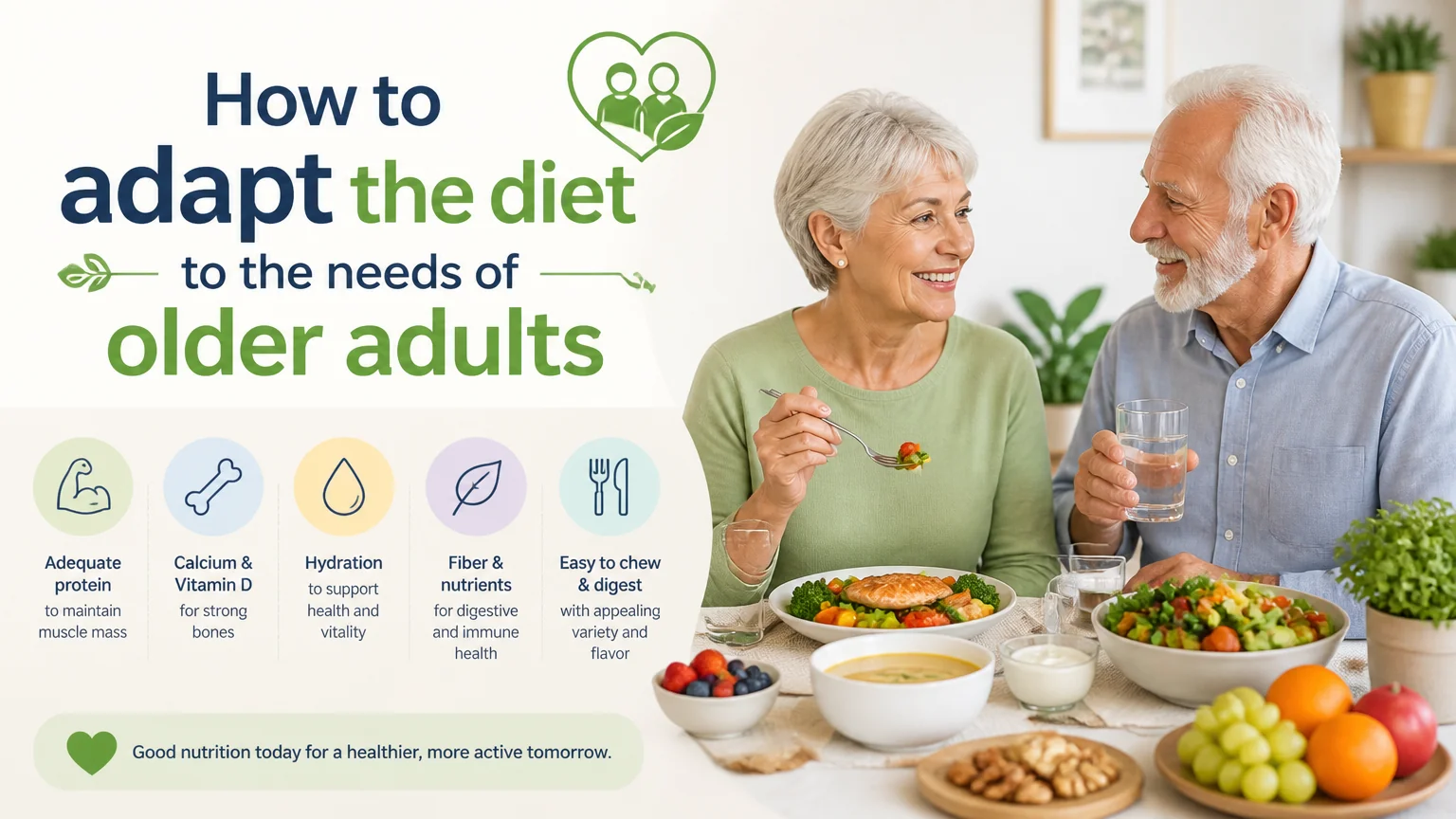
How to adapt the diet to the needs of older adults - nutrition geriatrics
Adapting diet plans for older adults is essential for maintaining their energy and health. Discover the importance of this adaptation by participating in our course focused on senior nutrition and promote a happier, healthier life!
Hello everyone! Reaching old age is a gift, a stage to enjoy everything you've sown. But, let's be honest, over the years, the body changes, and nutrition cannot be left behind! In this article, we are going to break down how to adapt the diet to the specific needs of older adults so that they can live this stage with energy, vitality, and above all, health!
As we age, nutritional needs vary. What we ate at 20 is not the same as what we need at 70. Why? Because the body no longer functions the same way. It's not just about "eating less," it's about eating better!
Think about it: metabolism slows down, muscle mass decreases, nutrient absorption isn't as efficient... It's like the car needing more extensive maintenance! Some of the most common changes include:
A well-planned diet adapted to the needs of the older adult can bring a lot of benefits:
Now, let's delve into the key nutrients that are essential in the diet of an older adult.
Proteins are essential for maintaining muscle mass, repairing tissues, and strengthening the immune system. Where to find them? In lean meats, fish, eggs, legumes, dairy products, and nuts. Try to include a source of protein in every meal!
Forget the myth that all fats are bad. Healthy fats (such as those found in avocado, olive oil, nuts, and oily fish) are important for brain, heart, and skin health. That said, moderate your consumption of saturated and trans fats!
Carbohydrates are the body's main source of energy. But beware! Not all are the same. Opt for complex carbohydrates (such as whole grains, legumes, and vegetables) instead of simple carbohydrates (such as white sugar, white bread, and sweets). Complex carbohydrates release energy more gradually and keep you satiated longer.
Vitamins and minerals are essential for the proper functioning of the body. In old age, some vitamins and minerals are especially important:
Vitamin D is essential for calcium absorption and bone health. Many older adults have vitamin D deficiency, as the skin produces less vitamin D with age, and sun exposure is often lower. Where to find it? In oily fish, eggs, and fortified dairy products. Sometimes, supplements are necessary!
Calcium is essential to prevent osteoporosis and maintain strong bones. Where to find it? In dairy products, green leafy vegetables, and nuts. Combine calcium with vitamin D for better absorption!
Vitamin B12 is important for nerve function and the production of red blood cells. Many older adults have difficulty absorbing vitamin B12 from food. Where to find it? In meat, fish, eggs, and dairy products. Sometimes, supplements are necessary!
Okay, we know what to eat. But how do we put it into practice? Here are some tips:
Planning meals in advance will help you ensure you are consuming all the nutrients you need. Dedicate a little time each week to plan your meals and make your shopping list!
If you have difficulty chewing or swallowing, adapt the textures of foods. Opt for purees, creams, soups, soft, and cooked foods. And don't forget to make the food visually appealing!
Dehydration is a common problem in older adults. Drink water, juices, infusions, or broths throughout the day. Always keep a water bottle handy and drink even if you are not thirsty!
Supplements can be useful to complement the diet, but they should not replace a balanced diet. Consult with your doctor or nutritionist before taking any supplements!
There are many misconceptions about nutrition in old age. Let's debunk some myths!
It is true that caloric needs decrease with age, but this does not mean you should eat fewer nutrients. The important thing is to choose nutritious foods and avoid empty calories!
As we have already mentioned, healthy fats are important for health. Don't be afraid to include them in your diet!
Supplements can be useful, but they are not a magic solution. A balanced diet and a healthy lifestyle are fundamental!
If you need help adapting your diet, don't hesitate to consult with a doctor, nutritionist, or dietitian. They can offer you a personalized nutrition plan tailored to your needs! You can also find useful information on the following websites:
Adapting the diet to the needs of the older adult is an investment in health, well-being, and quality of life. Don't hesitate! With a balanced diet, regular exercise, and a positive attitude, you can enjoy this stage of life to the fullest. Here's to eating delicious and healthy food!
Try to eat small amounts of food more frequently throughout the day. Prepare attractive and colorful dishes. Include foods that you like and that are easy for you to eat. If the problem persists, consult your doctor.
2. What foods should I avoid if I have diabetes?Avoid refined sugars, sweets, sugary drinks, and processed foods. Opt for complex carbohydrates, lean proteins, and healthy fats. Monitor your blood sugar levels and follow your doctor's recommendations.
3. How can I prevent osteoporosis?Consume foods rich in calcium and vitamin D. Exercise regularly, especially weight-bearing exercises. Avoid tobacco and excessive alcohol consumption. Consult your doctor to assess your risk of osteoporosis.
4. Is it necessary to take vitamin supplements?It is not always necessary to take supplements. A balanced diet is usually enough to cover nutritional needs. However, in some cases (such as vitamin D or vitamin B12 deficiency), supplements may be necessary. Consult with your doctor or nutritionist before taking any supplement.
5. What can I do if I have trouble chewing or swallowing?Opt for soft, cooked, and easy-to-chew foods. Prepare purees, creams, and soups. Avoid hard, dry, or sticky foods. If you have persistent difficulties, consult a speech therapist.