For Onlinecourses55
|
2026-11-08

Healthy aging
Finding ways to thrive in the golden years is essential. Dive into our insightful course on nutrition for older adults to discover ways to enhance life satisfaction.
Hello everyone! If you have made it this far, you are probably thinking about the future, or perhaps you are already enjoying (or adapting to) this beautiful stage of life we call "the golden years." No matter where you are, this article is for you. We are going to explore together the concept of healthy aging, discovering keys and strategies for living a full, active, and well-being-filled life. Are you ready to start this adventure?
When we talk about healthy aging, we don't just mean living many years—but living them well! It is a continuous process of optimizing opportunities for physical, social, and mental health, with the goal of allowing older people to participate actively in society without discrimination and enjoy a quality of life that suits their needs: desires, and capacities.
Aging healthily goes beyond simply not being sick. Sure, avoiding illness is important, but so is maintaining independence: autonomy, social relationships, and a sense of purpose. Think of it as a garden: it's not enough to remove the weeds (the illnesses), you also have to water the flowers (nutrition), prune the branches (exercise), and make sure they receive enough sun (mental health).
Now, let's delve into the pillars that sustain healthy aging. These are the foundations upon which you can build a full and satisfying life in your later years.
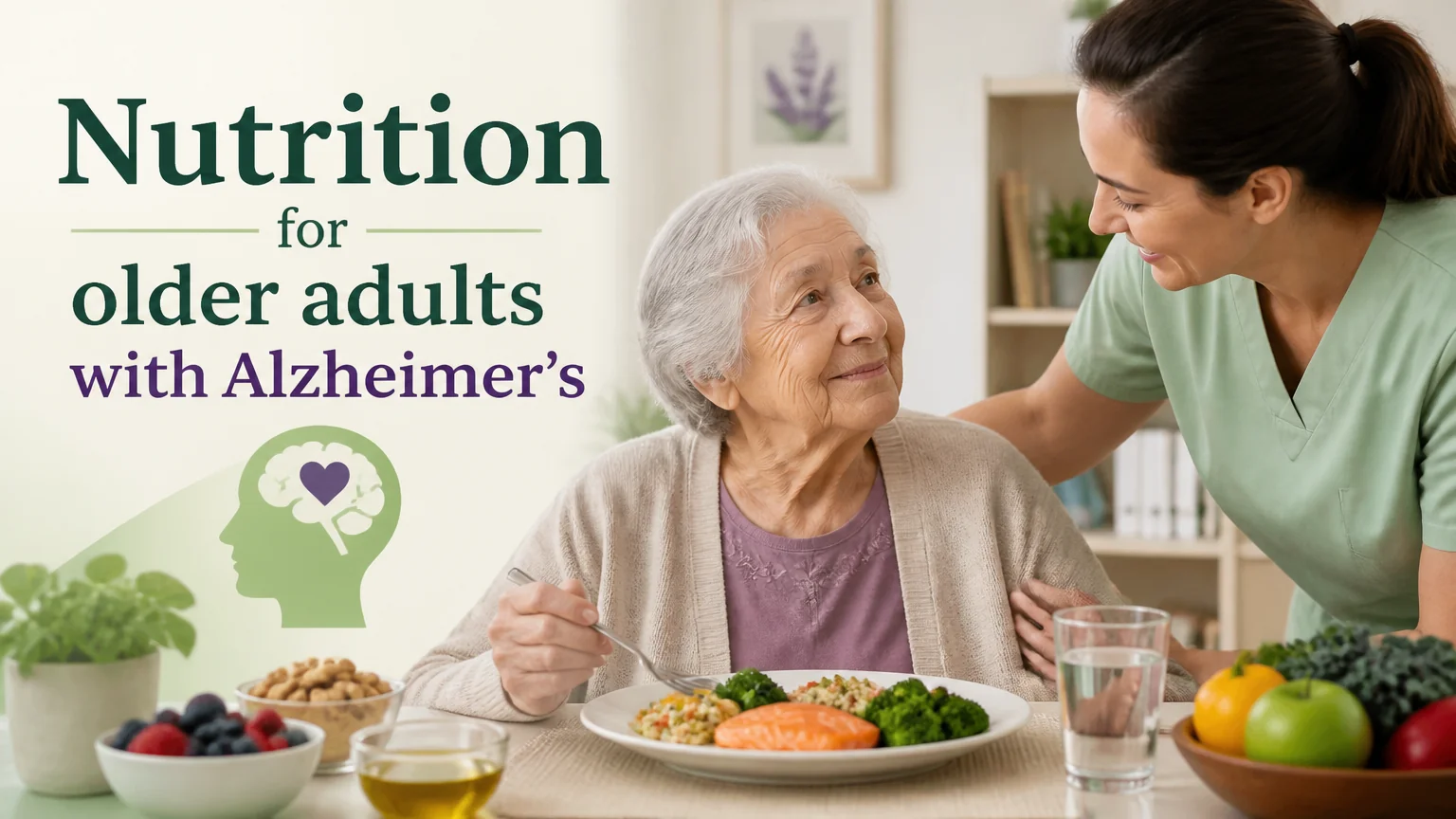
Food is the fuel for our body: and as we age, we need to be even more conscious of what we eat. It's not about extreme restrictions: but about choosing foods that nourish us and provide the necessary energy to enjoy every day.
Often underestimated, hydration: is key. As we age, the sensation of thirst diminishes, so it is important to drink water regularly, even if you don't feel thirsty: Did you know that dehydration can cause fatigue: confusion, and even constipation?
"Use it or lose it" is a phrase that applies especially well as we age. Regular physical activity not only keeps your body strong and flexible: but also improves your mood: cognitive function, and overall quality of life.
Regular exercise reduces the risk of heart disease, type 2 diabetes, osteoporosis: some types of cancer, and depression. It also improves sleep: energy, and self-esteem. It's like a magical pill: but without negative side effects!
Caring for your mind is just as important as caring for your body. Mental and emotional health influences every aspect of your life: from your relationships to your ability to cope with stress.
Social isolation can be devastating for mental and physical health. Staying connected with friends: family, and the community is crucial for your well-being: Participate in group activities, join a club, offer volunteering: find ways to interact with others!
Aging is not always a bed of roses. It is important to be prepared for the challenges that may arise and have strategies to face them.
Many older adults suffer from chronic diseases such as arthritis, diabetes, or heart disease. The key is prevention (through a healthy diet, regular exercise, and medical check-ups) and the proper management of these conditions (with the support of a doctor and a healthy lifestyle).
As mentioned before, loneliness and isolation are serious problems. If you feel lonely: seek help. Talk to a friend: a family member: a therapist, or join a support group. Remember that you are not alone and that there are people who care about you.
It is normal to experience some cognitive changes as we age, such as minor forgetfulness or difficulty concentrating. However, there are many things you can do to keep your mind sharp: mental exercises, a healthy diet, adequate sleep, and social activity. If you are concerned about your memory: consult a doctor.
Here are some additional tips to help you age successfully:
Do not underestimate the importance of financial planning! Make sure you have enough resources to cover your needs in retirement: Seek financial advice if you need it.
Make your home a safe and comfortable place as you age. Install grab bars in the bathroom: eliminate loose rugs, and make sure there is good lighting.
Don't forget to take care of yourself. Take time to relax, do things you enjoy, and nourish your soul: A massage: a warm bath, reading a book: whatever makes you feel good!
You don't have to do it alone. There are many resources and programs available to help you age healthily.
Look for local organizations that offer programs for older adults, such as exercise: classes, art: workshops, support groups, and transportation services.
Technology can be a great ally. There are apps to monitor your health: devices to track your physical activity, and platforms to connect with friends and family members: Don't be afraid to explore the options!
Aging is a privilege: and aging healthily is even better. It is not about avoiding aging: but about embracing it with grace: wisdom, and a positive spirit. By following the tips and strategies we have shared in this article: you can enjoy a full, active, and meaningful life in your later years. Make the most of this golden stage!
Do you prefer learning by watching and listening? Expand your knowledge with these free videos related to this topic.
Search
Popular searches