For Onlinecourses55
|
2026-11-01
Special diets for the elderly - nutrition geriatrics
Explore the importance of special diets tailored for older adults through an informative course on geriatric nutrition to enhance their quality of life.
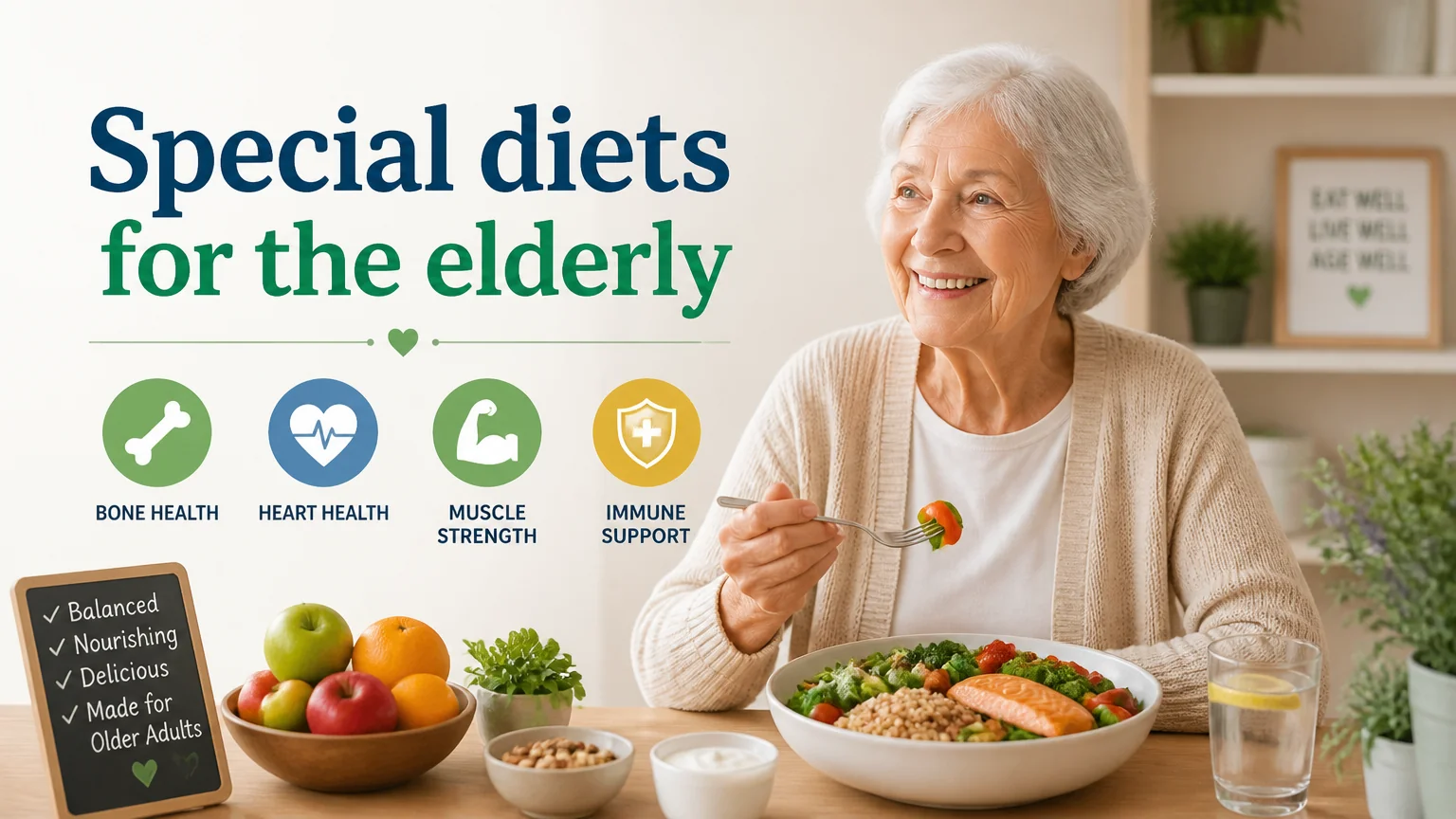
Hello everyone! If you are reading this, you are probably concerned about the health and well-being of an elderly loved one. And that’s excellent! Because today we are going to talk about something crucial: special diets for the elderly. Nutrition plays a fundamental role in the quality of life of our seniors, and understanding their specific needs can make a huge difference. So, get ready to dive into the world of geriatric nutrition!
Have you ever wondered why children and the elderly require special care? Well, the answer is simple: their bodies are going through unique stages. In the case of the elderly, physiological changes and the prevalence of certain medical conditions mean that a "normal" diet is no longer sufficient.
As we age, our body undergoes a series of changes. Digestion slows down, nutrient absorption decreases, metabolism decelerates, and muscle mass tends to reduce. Furthermore, the sense of taste and smell can deteriorate, affecting appetite. Therefore, it is vital to adapt the diet to compensate for these changes and ensure they receive all the nutrients they need. Imagine your body is an old car; you need the right fuel and maintenance to keep it running correctly.
Many seniors suffer from chronic medical conditions such as diabetes, hypertension, heart disease, and digestive problems. And guess what! Diet plays a crucial role in managing and controlling these diseases. An appropriate diet can help control blood sugar levels, lower blood pressure, improve heart health, and relieve digestive issues. It's like giving your body the tools it needs to fight the illness.
Now that we understand the importance of special diets, let's explore some common types and how they can benefit our seniors.
Diabetes is a common condition in old age, and an appropriate diet is essential for controlling blood sugar levels.
This diet focuses on maintaining stable glucose levels through a balanced diet. Foods with a low glycemic index are prioritized, such as vegetables, fruits (in moderation), whole grains, and lean proteins. It is important to avoid processed foods, sugary drinks, and refined carbohydrates, which can cause blood sugar spikes. Have you ever tried to maintain balance on a scale? Well, that's how glucose control works: avoid the extremes!
Hypertension, or high blood pressure, is another common health problem in the elderly. A low-sodium diet can help control it.
The main objective of this diet is to reduce sodium intake, as this mineral can raise blood pressure. It is recommended to avoid processed foods, fast food, canned soups, and cured meats, which are usually high in sodium. Instead, fresh foods such as fruits, vegetables, lean meats, and low-fat dairy should be prioritized. Imagine sodium is a faucet increasing the pressure in your pipes; you want to turn it down a bit!
Heart diseases are one of the leading causes of death in the elderly. A heart-healthy diet can help prevent and control these diseases.
This diet focuses on reducing the consumption of saturated fats and cholesterol, which can clog arteries and increase the risk of heart disease. Healthy fats are recommended, such as those found in avocado, olive oil, nuts, and oily fish. It's like cleaning the pipes of your heart so that blood flows freely.
Many elderly individuals suffer from digestive problems such as constipation, heartburn, and indigestion. A diet rich in fiber and easy to digest can help alleviate these symptoms.
It is recommended to increase fiber consumption through foods like fruits, vegetables, legumes, and whole grains. It is also important to avoid fatty, spicy, and acidic foods, which can irritate the stomach. Think of fiber as a brush cleaning your digestive system.
Implementing a special diet might seem overwhelming, but with a bit of planning and patience, it can be achieved.
Before making drastic changes to an elderly person's diet, it is essential to consult with a doctor or a registered dietitian. These professionals can assess the patient's individual needs and recommend a suitable diet based on their medical conditions and preferences. It’s like having a map to navigate the world of nutrition!
Many traditional recipes can be adapted to make them healthier and more suitable for special diets. For example, you can reduce the amount of salt in meals, use healthy oils instead of butter, and add more vegetables to dishes. The key is to be creative and find ways to make the food tasty and nutritious.
Some elderly individuals have difficulty chewing or swallowing. In these cases, it is important to adapt the texture of foods to facilitate consumption. Purees, soups, and soft stews can be prepared. Texture can be just as important as taste!
Dehydration is a common problem in the elderly, as they often lose the sensation of thirst. It is important to ensure they drink enough water throughout the day. Other healthy beverages such as herbal teas, natural juices, and broths can be offered.
In some cases, the elderly may need nutritional supplements to complement their diet.
Some vitamins and minerals are especially important for the health of the elderly, such as vitamin D, calcium, vitamin B12, and iron. Deficiency in these nutrients can increase the risk of disease and reduce the quality of life.
Supplementation should be considered when the diet is insufficient to meet the nutritional needs of the elderly person. This can happen in individuals with appetite issues, difficulty absorbing nutrients, or those following restrictive diets. A doctor should always be consulted before starting to take supplements.
Food is not only a physical necessity but also a social and emotional experience.
Eating in company can make mealtime more pleasant and stimulate appetite. If possible, encourage the elderly person to eat with family, friends, or at a community center.
It is important to consider the elderly person's individual preferences when planning their meals. Do not force them to eat foods they dislike, and try to offer options they enjoy. A pleasant meal is just as important as a nutritious meal!
Here are some ideas to inspire you:
It is time to dispel some misconceptions:
Special diets for the elderly are a fundamental tool for improving their health and quality of life. Adapting their nutrition to their specific needs can help prevent and control diseases, maintain muscle mass, improve digestion, and promote emotional well-being. Remember that the key lies in individualization, planning, and consulting with health professionals. Taking care of our seniors' nutrition is an act of love!
Search
Popular searches