Child abuse in teens: less obvious signs to watch for - child abuse detection
Recognizing subtle changes in a teenager’s behavior can make a vital difference, and training in identifying signs of child abuse can help you respond with greater awareness and sensitivity.
Introduction
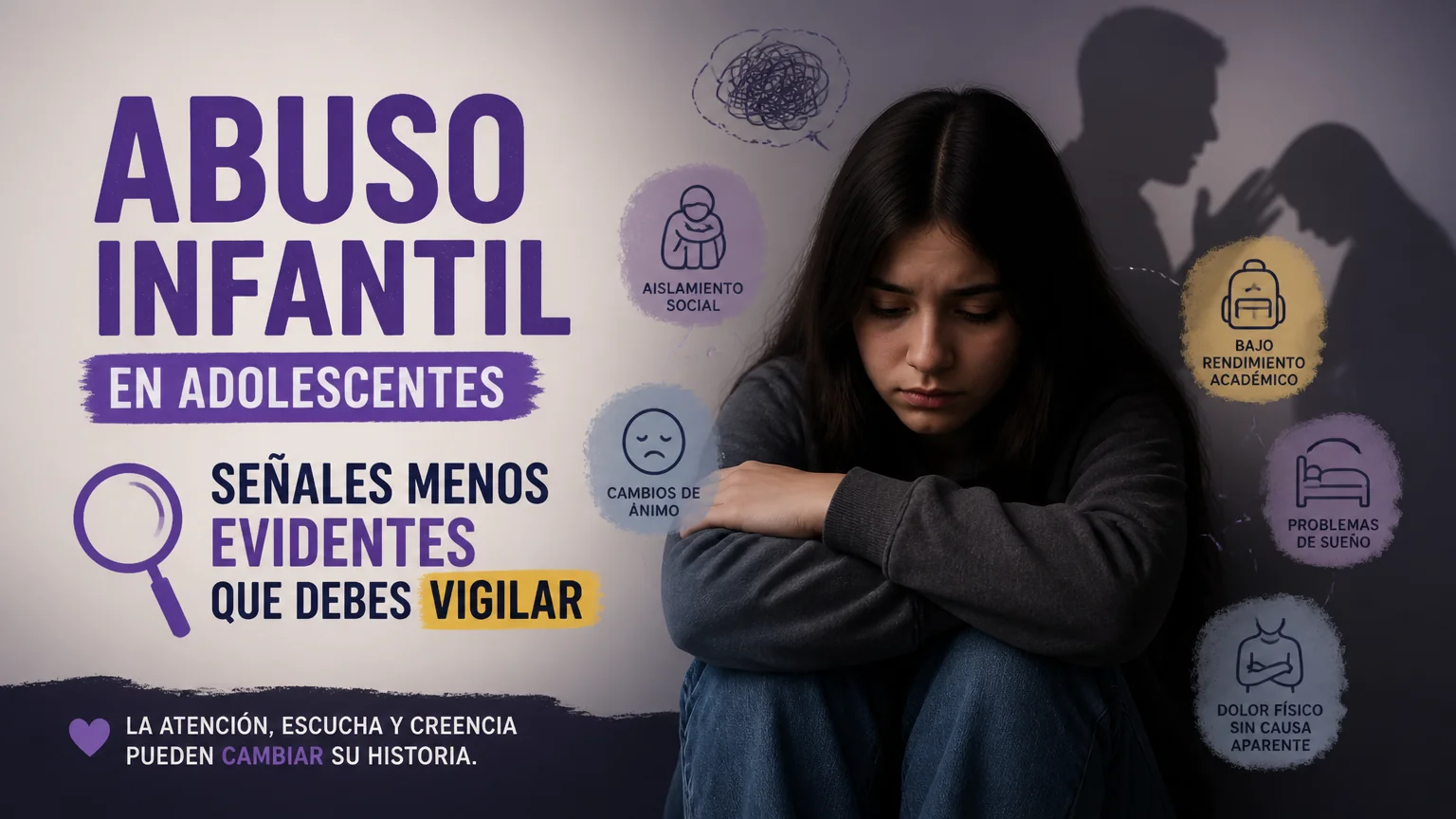
Adolescents may experience abuse that is not always apparent at first glance. Unlike more obvious signs, such as physical injuries or extreme behaviors, subtle indicators often go unnoticed because they are mistaken for typical changes during adolescence. Knowing these less obvious signs can help people act quickly and sensitively, offering support before the harm becomes more serious.
Why Pay Attention to Subtle Signs
Adolescents go through emotional, social, and physical changes that can hide or mimic the effects of abuse. Many victims downplay or conceal what is happening because of shame, fear of repercussions, or loyalty to the person abusing them. Abuse can also show up in specific areas of a young person’s life: academic performance, relationships, self-esteem, and sleeping or eating habits. Recognizing patterns rather than focusing on a single incident is key to identifying a serious problem.
Emotional and Psychological Changes
These are some emotional signs that may indicate something is wrong, although none of them is conclusive on its own:
- High levels of anxiety with no apparent cause, panic attacks, or constant worry.
- Mild or persistent depression: sadness that does not improve over time, or loss of interest in activities they used to enjoy.
- Intense feelings of guilt or shame, and frequent self-deprecating comments.
- Disproportionate emotional reactions to everyday situations, irritability, or crying easily.
- Difficulty concentrating or sudden changes in memory and attention.
Changes in Social Behavior and School Performance
Abuse may be reflected in the way an adolescent interacts with others and in their academic performance:
- Gradual isolation: avoiding outings with friends, communicating less with family, or severing social ties.
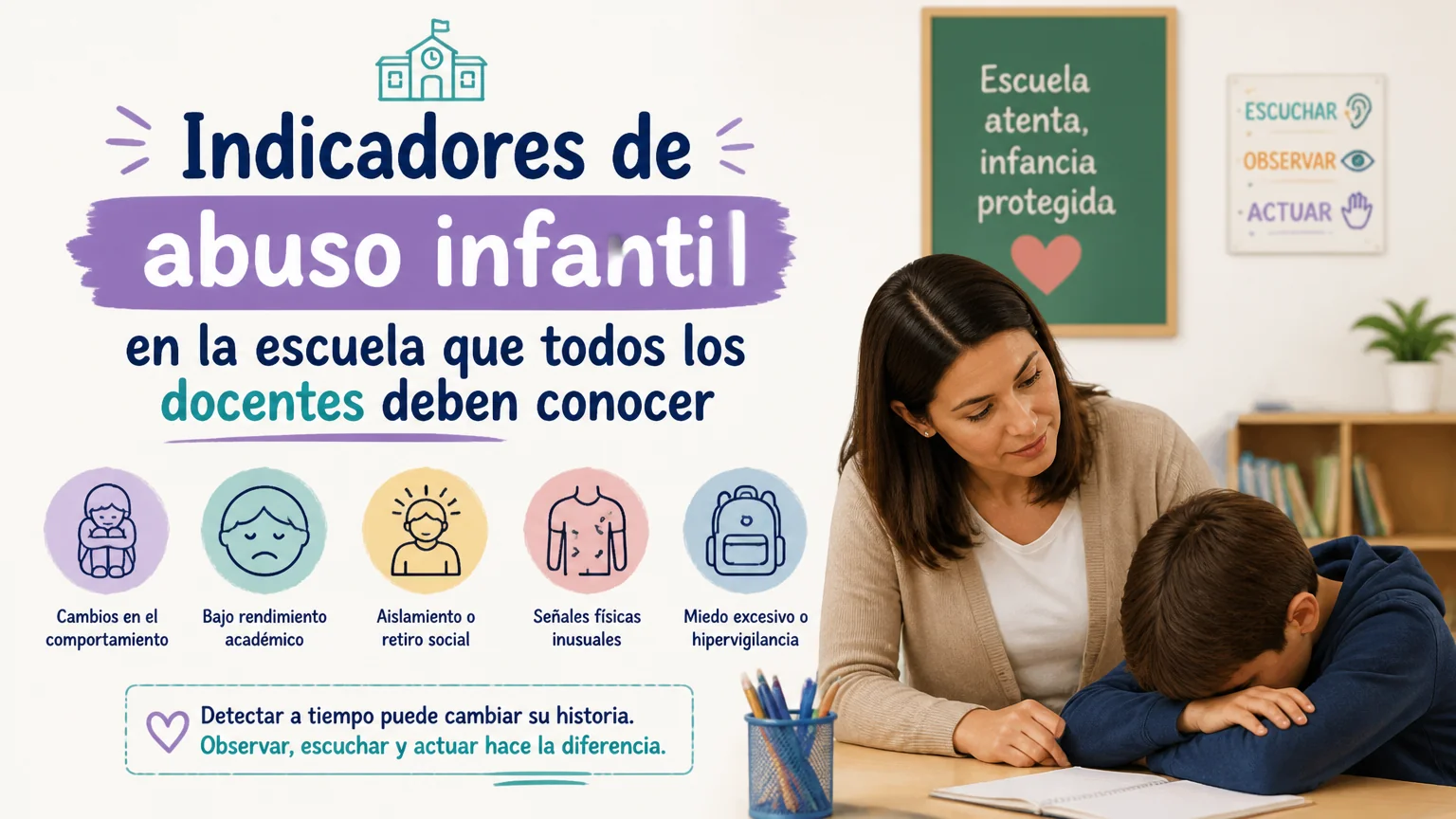
- Frequent problems at school: unexplained absences, falling grades, or loss of interest in learning.
- New or increased risky behaviors, such as substance use, self-harm, or promiscuity as a way of seeking affection.
- Changes in sleep patterns: insomnia, nightmares, or sleeping much more than usual.
- Heightened sensitivity to certain topics or places: avoiding people, routes, or conversations that previously seemed neutral.
Less Obvious Physical Signs
Not all physical harm is obvious. Some signs may go unnoticed unless they are carefully observed:
- Injuries the adolescent downplays or explains with vague or contradictory accounts.
- Changes in personal hygiene: neglecting it or, conversely, suddenly becoming obsessed with cleanliness.
- Recurring psychosomatic symptoms: headaches, digestive problems, or chronic fatigue without a clear medical diagnosis.
- Marks on areas usually covered by clothing, or unusual clothing worn to conceal the body.
- Sexually transmitted infections or genitourinary discomfort, which are often concealed out of shame.
Changes in Self-Esteem and Identity
Abuse has a profound impact on how young people see themselves:
- Loss of confidence in their own decisions and excessive dependence on approval from others.
- Confusion about sexual or gender identity that appears suddenly or that the adolescent expresses with anxiety.
- Excessive self-criticism and fear of rejection, leading them to avoid opportunities because they are afraid to speak or act.
- Emotional withdrawal: avoiding intimacy or, conversely, seeking affection in inappropriate ways.
Signs in Relationships with Family and Caregivers
Behavior toward trusted adults can offer important clues:
- Changes in communication: avoiding certain topics, becoming evasive, or suddenly changing moods in response to particular questions.
- Fear or distrust of a family member or someone close to them, with no apparent reason.
- Overprotective behavior toward certain adults or, conversely, rejection of people they previously cared about.
- Frequent lies or inconsistencies in accounts of their routine or activities.
How to Reach Out and What to Do If You Suspect Abuse
If you notice several of these signs, it is important to act carefully and focus on the adolescent’s well-being. These steps can help guide your response:
- Create a safe, nonjudgmental space: choose a calm moment and listen actively, without pressuring them to share details.
- Validate their feelings: use words that acknowledge their pain and courage in speaking up, without blaming or minimizing their experience.
- Seek professional help: psychologists, social workers, and specialized centers have experience supporting people and assessing the situation.
- Document the information: noting dates, behaviors, and observed changes may be helpful if formal intervention is needed.
- If there is an immediate risk, contact the appropriate authorities or child protection services; the young person’s safety is the priority.
How to Talk to an Adolescent Who May Be Experiencing Abuse
Talking with a young person requires tact and patience. Here are some practical guidelines:
- Use open-ended, neutral questions: “I’ve noticed you seem sadder than usual. Do you want to tell me what’s going on?”
- Avoid asking questions that pressure them to recall specific events; let the adolescent set the pace.
- Offer support options and explain that you are not there to punish them, but to protect them.
- Respect their autonomy: if they do not want to report it right away, explore safe alternatives and continue offering support.
- Be honest about limits: if there is danger, you will need to inform professionals; explain this clearly and compassionately.
Prevention and Long-Term Support
Beyond immediate intervention, it is crucial to focus on prevention and the adolescent’s emotional recovery:
- Promote relationship and sexual education based on respect, boundaries, and consent.
- Build support networks at school, in the family, and in the community so the young person does not have to rely on just one person.
- Access specialized individual or group therapy that addresses trauma and promotes coping skills.
- Promote safe environments: review family dynamics, supervision practices, and warning signs in adults close to the young person.
- Work on self-esteem and social reintegration through activities that strengthen skills and healthy relationships.
Conclusion
Detecting abuse in adolescents often requires looking beyond the obvious and paying attention to subtle changes in their emotions, behavior, and relationships. Acting with empathy, seeking professional help, and prioritizing the young person’s safety are essential steps. Although abuse is not always identified right away, careful observation and consistent support can make a difference in their recovery and protection.
 For Onlinecourses55
|
2026-10-30