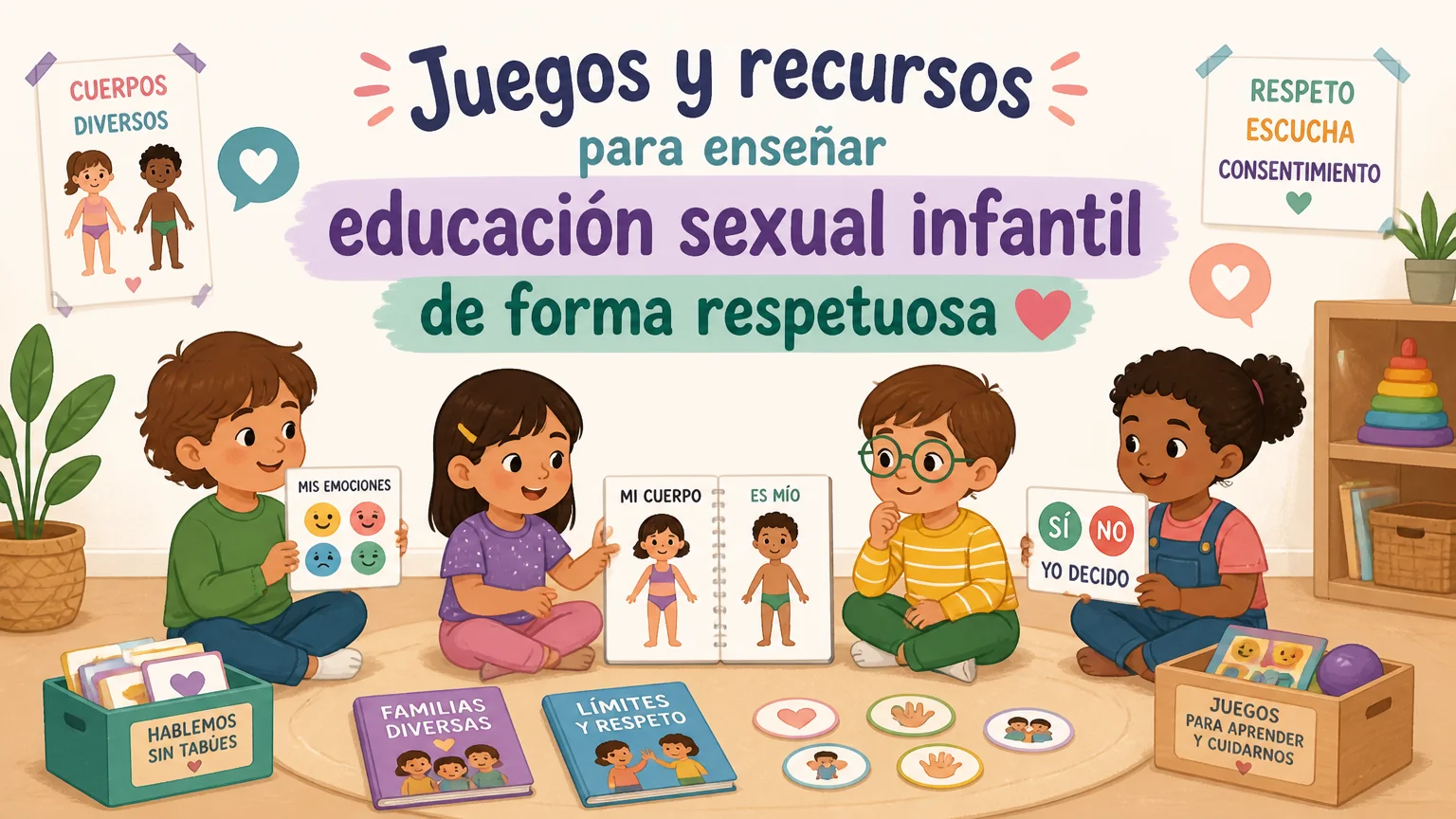
To teach children about body autonomy, consent, and healthy boundaries with age-appropriate care, explore this child-focused sexual education course and build a respectful foundation for their safety and well-being.
Why Start with Respectful Sexuality Education in Early Childhood
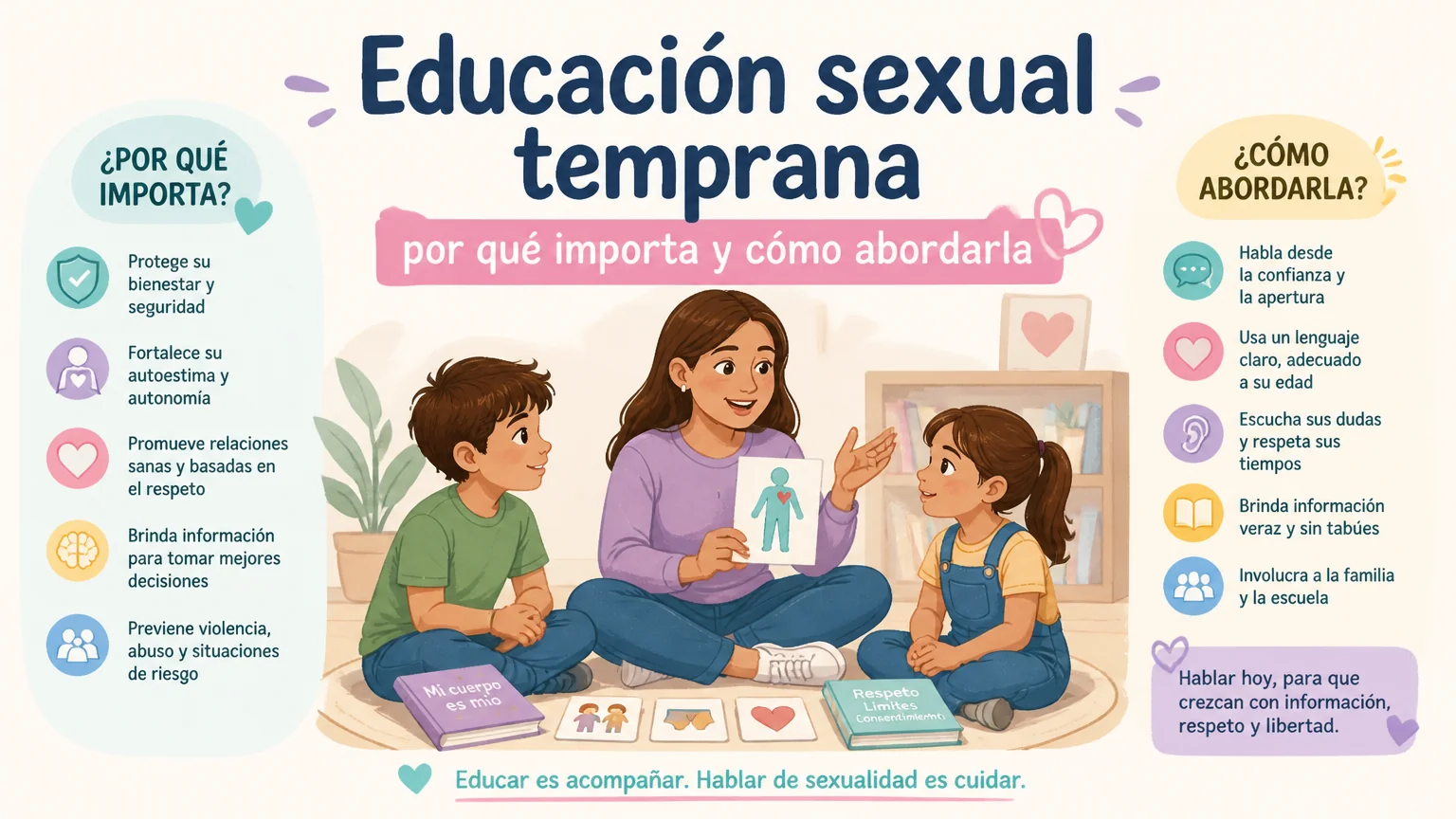
Providing sexuality education from an early age does not mean exposing children to inappropriate content, but rather giving them tools to understand their bodies, emotions, and rights. A respectful approach honors their pace, uses age-appropriate language, and prioritizes safety and consent. This helps prevent abuse, supports healthy relationships in the future, and reduces shame around bodily and emotional topics.
Basic Principles to Guide the Activities
- Age-appropriate language: adapt words and examples to the child's development.
- Neutrality and respect: avoid judgment and convey that all questions are welcome.
- Focus on consent: teach children to ask permission and respect “no.”
- Use correct names for body parts: this makes communication and protection easier.
- Privacy and boundaries: distinguish private spaces and rules about touching and being touched.
- Inclusion and diversity: consider families, identities, and different ways of showing affection.
Games and Activities by Age Group
Children Ages 3 to 5
At this age, the goal is to build familiarity with the body and hygiene routines, always using a playful and brief approach. Simple, repetitive activities help reinforce concepts.
- Routine game: act out washing hands, brushing teeth, and bathing with dolls, emphasizing privacy and body parts such as hands, arms, legs, and tummy. Avoid long lists and focus on what is relevant to the routine.
- Songs and rhymes about the body: create songs that name limbs and habits, encouraging communication and basic vocabulary.
- Puppets for talking about “what we feel”: use puppets to express fear, happiness, or embarrassment, and show ways to ask a trusted adult for help.
Children Ages 6 to 9
In the early elementary years, children can be introduced to privacy, basic consent, and personal boundaries. Activities should welcome questions and provide practice with simple responses to uncomfortable situations.
- Boundaries game: in pairs, children practice saying “no” and suggesting alternatives when they do not want hugs or games; they rehearse short, respectful phrases.
- Scenario cards: create cards with everyday situations (for example, “someone wants to see my swimsuit”) and discuss as a group what they would do and whom they could ask for help.
- Collaborative stories: read stories featuring characters who set boundaries or ask for help; then ask the children to come up with safe endings.
Children Ages 10 to 12
Before adolescence, it is valuable to address emotions, bodily changes, and relationships. At this stage, it is possible to explore accurate information, self-esteem, and emotional communication in greater depth without rushing into topics.
- Anonymous question forums: let children write down their questions so they can be answered in class using clear, scientific language.
- Role-play about consent in games and friendships: practice simple negotiations and how to express wishes and boundaries.
- Activities for identifying reliable sources of information: compare myths with facts and learn how to consult professionals.
Specific Examples of Respectful Games
- The question box: a container where children can submit anonymous questions; the educator selects them and answers clearly without making fun of anyone.
- Well-being bingo: cards featuring healthy actions (talking to an adult, washing hands, resting) that are marked off when completed, reinforcing self-care.
- Emotions memory game: pairs of cards with faces showing emotions and their definitions, to help children identify and communicate emotions.
- Trust map: children mark on a drawing who the trusted people in their lives are and why, strengthening support networks.
Recommended Teaching Resources and Materials
Select visual materials, stories, and apps that respect childhood and have been created by specialists. It is important to review the content beforehand and adapt it to the group's cultural and family diversity.
- Picture books about boundaries, self-esteem, and emotions without sensationalism.
- Toys and dolls for acting out routines and practicing caregiving situations.
- Educational apps that prioritize scientific information and data privacy, designed for use with adult guidance.
- Printable worksheets and cards with scenarios, questions, and age-appropriate vocabulary for group activities.
How to Lead a Session: Practical Steps
- Warm welcome: begin with a brief activity to build trust (for example, a round of consent-based greetings).
- Rules for respect: agree on rules such as not interrupting, not making fun of others, and using considerate language.
- Introducing the activity: explain its goals using clear, age-appropriate language.
- Guided activity: facilitate the activity while observing reactions and offering individual support if anyone feels uncomfortable.
- Reflective closing: finish with a summary and remind children whom they can turn to if they have questions or need help.
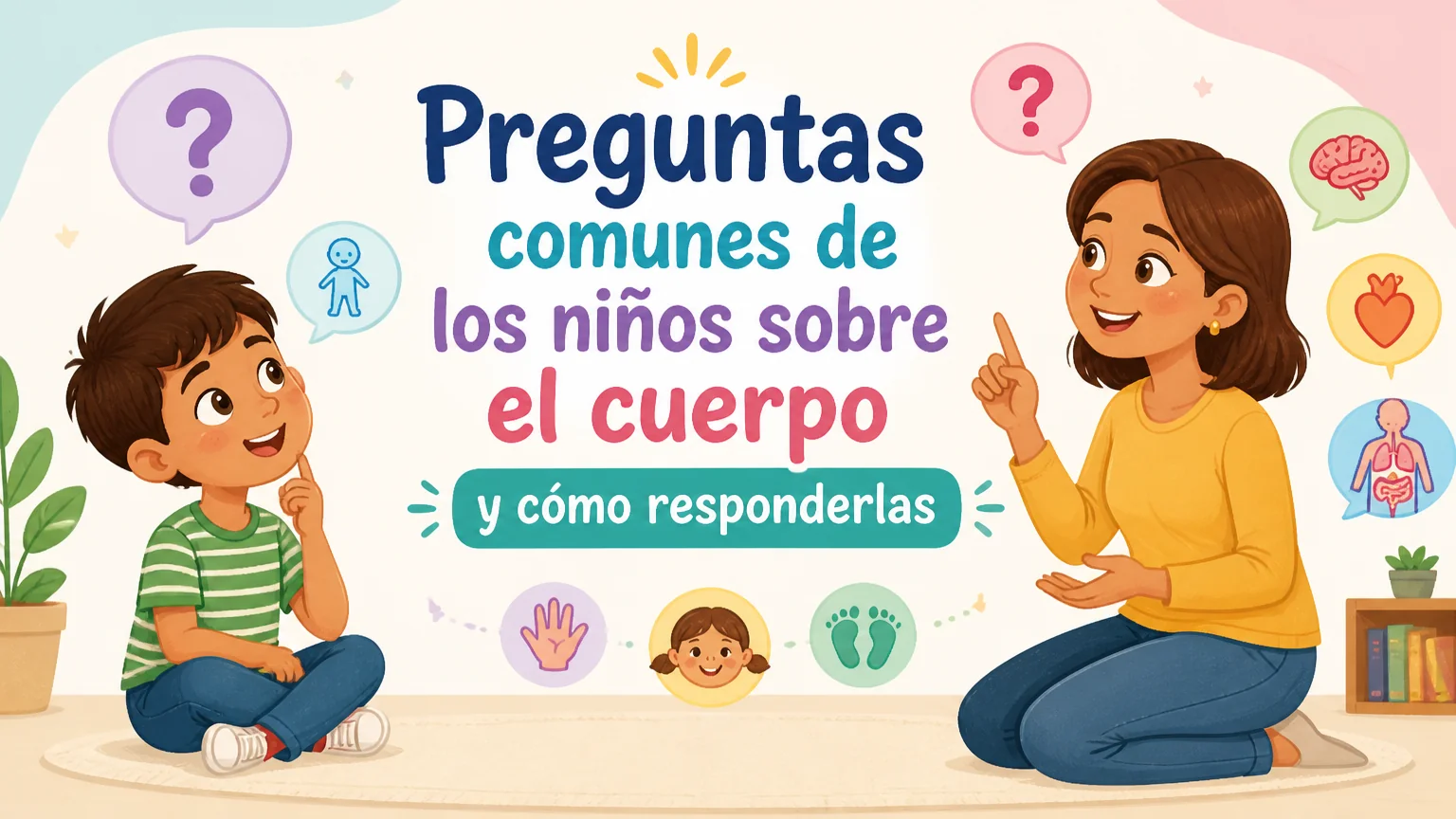
How to Answer Difficult Questions
When children ask about complex topics, it is best to listen, validate their feelings, and respond honestly in an age-appropriate way. If you do not know the answer, it is perfectly acceptable to say “I don't know” and offer to look it up together. Avoid unnecessary details and focus on safety, consent, and respect for oneself and others.
Involving Families and Coordinating with the School
Family involvement is essential. Offering information sessions, brief guides, and examples of activities to do at home helps ensure consistency between what is taught at school and at home. Respecting diverse values means presenting the content as guidance and explaining the approach: protecting the child, promoting autonomy, and teaching social skills.
Evaluating and Adapting the Activities
Observing the children's reactions, gathering feedback, and adjusting the level of complexity helps ensure that the activities are genuinely respectful. Using simple indicators such as participation, questions asked, and behaviors related to boundaries can help measure impact. It is also important to watch for signs of distress and refer children to professionals when specific needs arise.
Final Tips for a Respectful Approach
- Prioritize the child's emotional and physical well-being over academic content.
- Encourage curiosity and normalize questions without taboos or alarmism.
- Maintain open communication with families and offer practical resources for home.
- Train educators in inclusive language, responding to questions, and referring children to specialists.
- Always remember that teaching about bodies and boundaries is an act of care and prevention.
 For Onlinecourses55
|
2026-10-28