Sociocultural Perspectives on Sex and Virginity Explained
Virginity is a social construct with no medical basis. Intimacy goes beyond penetration, and experiences should be defined by communication and mutual respect.
Watch Video For Onlinecourses55
|
2026-11-06
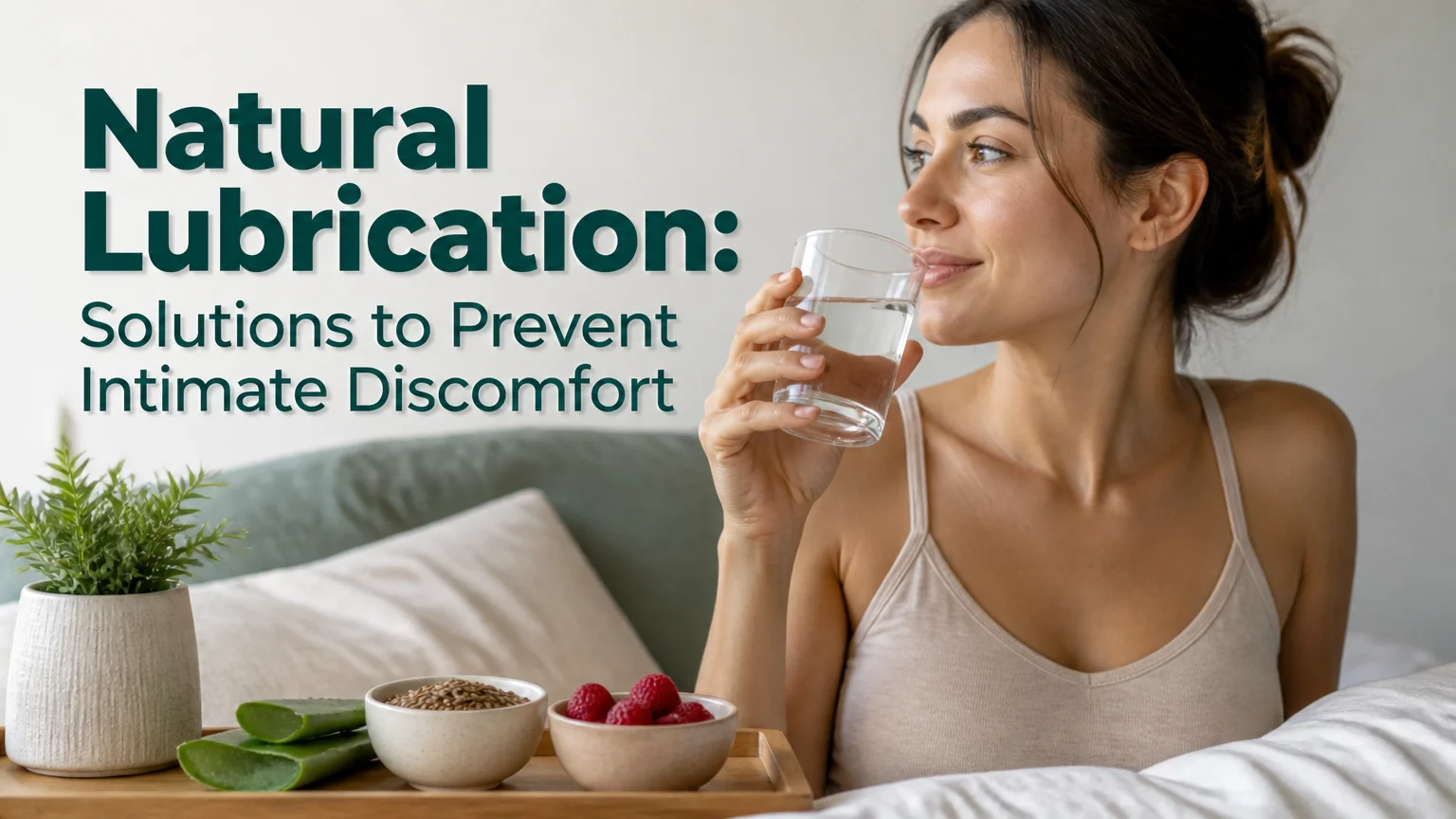
Natural lubrication: solutions to prevent intimate discomfort
To understand how hormones and intimate wellness affect natural lubrication, explore a practical course on women’s sexual health and build confidence in caring for your body.
Natural lubrication is a bodily process that promotes comfort and pleasure during intimate activity. When it is lacking or diminished, many people experience irritation, pain, or insecurity. Fortunately, there are simple, natural solutions that help restore or supplement intimate moisture without immediately resorting to pharmacological treatments. In this article, you’ll find clear, practical explanations, lifestyle recommendations, and gentle remedies that you can easily incorporate into your routine.
Vaginal lubrication is a physiological response to arousal, but it’s also an ongoing function regulated by hormones, vaginal health, and environmental factors. It’s not just about the quantity of fluids, but also the quality: pH, the balance of the microbiota, and the presence of protective substances all influence how the intimate area feels. When any of these factors are disrupted, dryness, discomfort, or infections can occur.
Understanding the cause is key to choosing the right solution. Dryness does not always have an organic cause; sometimes it is multifactorial. It is common for a combination of stress, hormonal changes, and irritating products to be the cause. It can also occur temporarily after childbirth, during breastfeeding, or with prolonged use of certain medications.
Diet and lifestyle have a direct impact. Staying well-hydrated and eating foods rich in essential fatty acids, vitamins, and phytoestrogens can help keep the mucous membranes healthy. It’s also important to limit substances that increase dryness, such as alcohol and tobacco.
There are natural and over-the-counter options that can provide immediate relief and improve long-term health. It’s important to choose fragrance-free and alcohol-free products to avoid irritation. Water-based lubricants are a safe choice for sexual intercourse, while certain oils may work for external moisturizing—always check for compatibility with condoms and personal tolerance.
The intimate experience directly influences lubrication. Taking time for stimulation, varying sexual practices, and communicating needs with your partner are essential strategies. Sometimes small changes in your sexual routine can make a big difference in comfort and pleasure.
If discomfort persists despite adopting good hygiene practices and lifestyle changes, or if symptoms such as abnormal bleeding, strong-smelling discharge, or severe pain appear, it’s important to see a healthcare professional. A doctor or gynecologist can evaluate hormonal, infectious, or dermatological causes and recommend specific treatments such as local hormone therapy, medicated creams, or additional tests.
Restoring and maintaining comfortable lubrication is possible with simple, consistent changes. Listening to your body, choosing gentle products, and communicating your needs during intimacy are essential steps. If home remedies aren’t enough, a medical evaluation can help identify and treat underlying causes, restoring well-being and confidence. With information and care, it’s possible to reduce discomfort and regain a pleasurable intimate life.
Do you prefer learning by watching and listening? Expand your knowledge with these free videos related to this topic.
Virginity is a social construct with no medical basis. Intimacy goes beyond penetration, and experiences should be defined by communication and mutual respect.
Watch VideoLearn to recognize and apply explicit consent: voluntary, ongoing agreement, sobriety, identifying coercion, and protecting personal boundaries and safety.
Watch VideoLearn why partner count is a baseless bias, why sex frequency doesn't define satisfaction, and how communication, equity, and daily habits restore intimacy.
Watch VideoSearch
Popular searches