For Onlinecourses55
|
2026-10-24
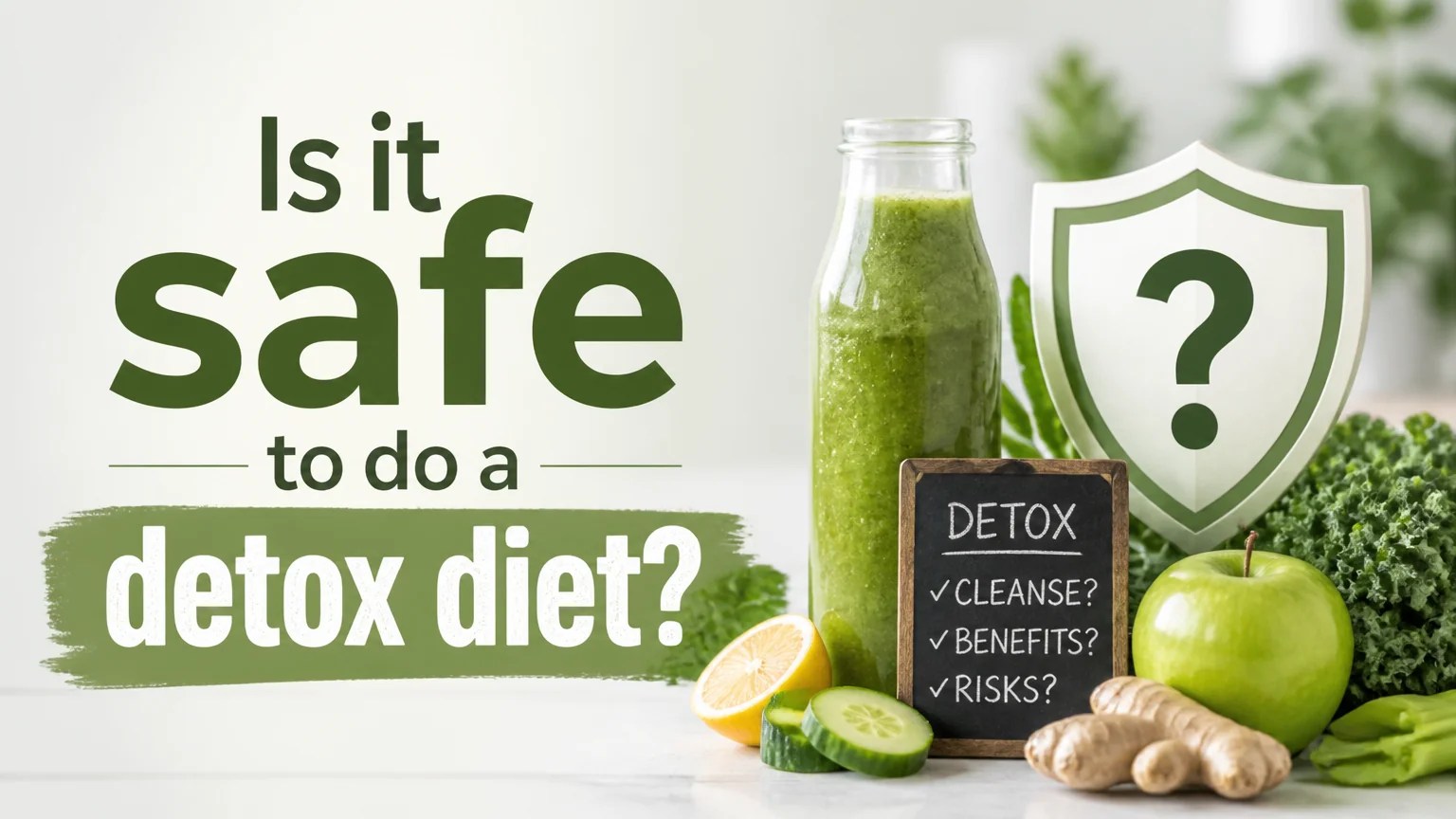
Is it safe to do a detox diet? - nutrition detox
Understanding the balance between detox diets and safe practices is crucial; take the first step with this knowledge-filled detox course that equips you with essential information.
Have you ever wondered if those "detox" diets promising to cleanse your body of toxins are truly safe and effective? Today we are going to explore this topic in depth, separating reality from myth and providing you with valuable information so you can make an informed decision about your health. Because, let's be honest, who doesn't want to feel lighter and full of energy? But, at what cost?
Detox diets, also known as detoxification diets, are restrictive eating plans that promise to eliminate toxins from the body, promote weight loss, and improve overall health. They often involve consuming only certain foods or beverages for a set period, such as juices, smoothies, teas, or supplements. Basically, you become a juice ninja for a few days.
The idea behind detox diets is that our body is constantly exposed to toxins from the environment, processed foods, and stress. It is assumed that these toxins accumulate in our organs and tissues, causing fatigue, bloating, digestive problems, and other ailments. Detox diets, according to their proponents, help eliminate these toxins, allowing the body to heal and function optimally.
But here comes the reality: our body already has highly efficient detoxification systems, such as the liver, kidneys, and lymphatic system. These organs work tirelessly to filter and eliminate toxins from our body naturally. So, do we really need an extreme diet to help them? Most of the time, the answer is a resounding no. What they do need is for us to treat them well with a balanced diet and healthy habits.
While some people claim to feel better after a detox diet, it is important to consider the potential health risks. Not everything that glitters is gold, especially in the world of diets!
Most detox diets are highly restrictive and lack essential nutrients, such as proteins, healthy fats, vitamins, and minerals. This can lead to fatigue, weakness, dizziness, and other unpleasant symptoms. Imagine trying to run a marathon with only a sip of cucumber juice... you wouldn't get very far!
Many detox diets promote the consumption of diuretics and laxatives, which can lead to dehydration and an imbalance of important electrolytes like sodium and potassium. This can be especially dangerous for people with heart or kidney problems.
The high fiber content in some detox diets, combined with the lack of other nutrients, can cause bloating, gas, diarrhea, or constipation. A festival of stomach discomfort!
Detox diets can interfere with the absorption and effectiveness of certain medications. If you are taking any medication, it is crucial to consult with your doctor before starting any detox diet.
Despite the risks, some people may experience certain short-term benefits when doing a detox diet. However, it is important to be realistic about expectations and understand that these benefits are not sustainable in the long term.
The weight loss experienced when doing a detox diet is usually mainly due to the loss of water and muscle mass, not the elimination of fat. Once normal eating resumes, it is very likely that the lost weight will be regained. It's like building a sandcastle that crumbles with the high tide.
For some people, a detox diet can serve as a "reset" that motivates them to adopt healthier long-term habits, such as eating more fruits and vegetables, reducing the consumption of processed foods, and exercising regularly. However, this reset is only effective if a balanced diet and a healthy lifestyle are maintained after the detox diet.
Instead of resorting to extreme detox diets, there are much safer and more effective alternatives to support your body's natural detoxification function:
Drinking enough water helps the kidneys filter toxins and keeps the body hydrated. It is the foundation of good health!
Consuming a diet rich in fruits, vegetables, whole grains, and lean proteins provides the necessary nutrients for the liver, kidneys, and lymphatic system to function optimally. Fiber, in particular, helps eliminate toxins through the digestive system.
Regular exercise helps improve blood and lymphatic circulation, facilitating the elimination of toxins. Additionally, it helps reduce stress and improve mood.
Getting enough sleep allows the body to repair and regenerate, including the elimination of toxins.
Alcohol and tobacco are two of the main sources of toxins for the body. Reducing or eliminating their consumption can significantly improve health and well-being.
Before starting any diet, including a detox diet, it is essential to consult with a doctor or a registered dietitian. They can assess your health status, identify potential risks, and help you develop a safe and effective eating plan.
In summary, detox diets may seem appealing due to their promises of cleansing and rapid weight loss. However, the potential health risks far outweigh the possible benefits. Instead of subjecting your body to an extreme eating regimen, opt for a balanced diet, regular exercise, adequate hydration, and a healthy lifestyle. Your body will thank you! Remember, health is a marathon, not a sprint.
Search
Popular searches