For Onlinecourses55
|
2026-07-19
For Onlinecourses55
|
2026-07-19
What is the relationship between nutrition and the prevention of osteoporosis in older adults? - nutrition geriatrics
Preventing osteoporosis through proper nutrition is essential. Explore effective dietary solutions by enrolling in an enlightening course focused on nutrition for seniors that could be life-changing.
Hello everyone! Have you ever wondered how the food you eat can influence the strength of your bones, especially as you approach the golden age? Well, get ready! We are going to dive into the fascinating world of nutrition and its impact on the prevention of osteoporosis in old age. It is more important than you think!
Imagine your bones as a honeycomb. Osteoporosis is like that honeycomb becoming fragile and having holes larger than normal. In more technical terms, it is a disease that weakens the bones, making them more prone to fractures. And it's not just a grandma thing! Although it is more common in older people, especially women, we all must be informed!
As we age, our bones tend to lose density. It is as if the bone bank is running out of funds. This, combined with other factors such as hormonal changes and lower nutrient absorption, can lead to osteoporosis. A simple fall can result in a fracture, which significantly affects the quality of life. Better safe than sorry, as the saying goes!
Nutrition is, without a doubt, the cornerstone for keeping our bones strong and healthy. It's like the foundation of a house!
Calcium is the most abundant mineral in our body and the main component of our bones. Think of it as the brick that builds the bone structure.
The amount of calcium you need varies by age, but generally, older adults need about 1200 mg a day. Don't forget to consult your doctor!
Vitamin D is essential so the body can absorb calcium. It's like the mason who places the bricks in their place! Without enough Vitamin D, calcium cannot do its job.
Our body can produce Vitamin D when the skin is exposed to sunlight. But beware! You don't need to get burned. About 15-20 minutes a day, with caution, may be enough. Talk to your doctor about your needs!
Calcium and Vitamin D are important, but they are not the only players on this team. There are other nutrients that also play a crucial role!
Magnesium helps maintain bone density and regulates calcium absorption. It's like the orchestra conductor who ensures that everything works in harmony! You find it in nuts, seeds, whole grains, and green leafy vegetables.
Vitamin K is known for its role in blood clotting, but it also contributes to bone health. It's like the bodyguard of your bones! You find it in green leafy vegetables, broccoli, and Brussels sprouts.
Proteins are essential for the formation and repair of tissues, including bones. They are like the beams that support the structure! Consume sources of lean protein such as chicken, fish, legumes, and tofu.
Now that we know which nutrients are important, let's talk about what to eat and what to avoid!
Nutrition is key, but it is not the only important factor. Lifestyle also plays a crucial role!
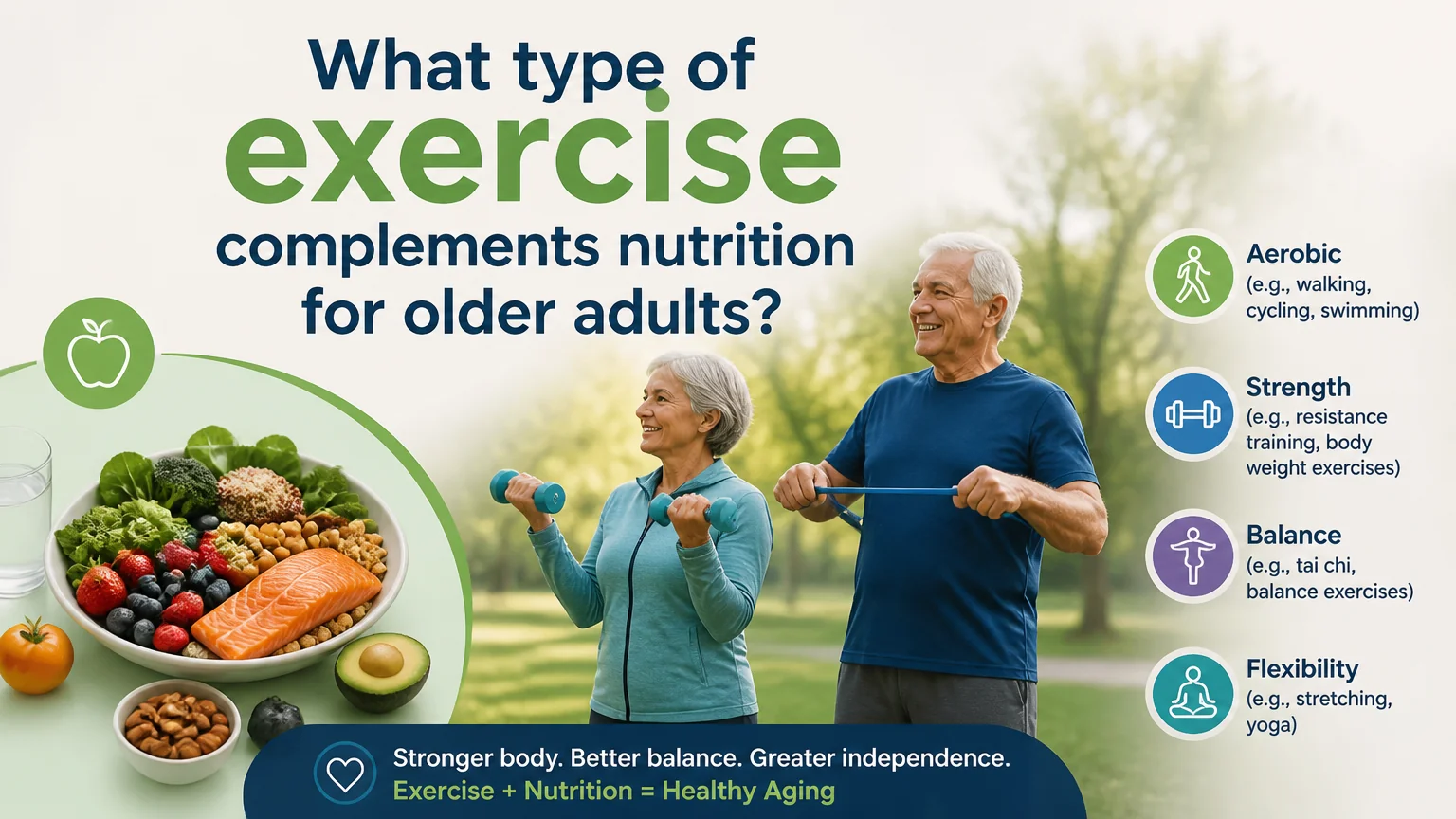
Exercise, especially weight-bearing exercise (like walking, dancing, or lifting light weights), stimulates bone formation and strengthens muscles. It's like building a gym for your bones! Consult a professional for an appropriate program.
Smoking and excessive alcohol consumption can weaken bones and increase the risk of osteoporosis. They are like the silent enemies of your bone health!
Implementing these tips in your daily life doesn't have to be complicated. Here are some practical ideas!
Planning your meals will help ensure you are getting all the nutrients you need. It's like having a map to reach your nutritional destination! Prepare shopping lists, cook in advance, and experiment with healthy recipes.
In some cases, it can be difficult to obtain all the necessary nutrients through diet. Calcium and Vitamin D supplements can be helpful, but it is important to talk to your doctor to determine if you need them and what dosage is appropriate. Do not self-medicate!
The relationship between nutrition and the prevention of osteoporosis in old age is undeniable. By adopting a balanced diet rich in calcium, Vitamin D, and other essential nutrients, combined with an active and healthy lifestyle, we can strengthen our bones and reduce the risk of fractures. Don't wait any longer! Start taking care of your bones today to enjoy an active future full of vitality. Your bone health will thank you!
There is no specific age to start worrying, but it is important to adopt healthy habits from youth. Starting at age 50, it is advisable to talk to your doctor about risk assessment and bone density tests.
Definitely not! Although they are a good source, you can also get calcium from green leafy vegetables, fish with edible bones, fortified foods, and supplements.
Weight-bearing exercises (walking, jogging, dancing, lifting light weights) are excellent for strengthening bones. Balance and flexibility exercises are also beneficial to prevent falls.
The best thing is to consult your doctor. He or she can evaluate your nutrient levels and recommend supplements if necessary.
Although it is more common in women, men can also develop osteoporosis. It is important that both sexes adopt healthy habits to protect their bone health.
Search
Popular searches