Protein-rich foods to lose weight without losing muscle - nutrition weight loss

onlinecourses55.com For Onlinecourses55 | 2026-10-24
Protein-rich foods to lose weight without losing muscle - nutrition weight loss


Protein-rich foods to lose weight without losing muscle - nutrition weight loss

Preserving muscle while losing fat is possible by prioritizing protein in your diet. If you're keen to explore effective strategies and food choices to maintain lean mass, consider this insightful course on strategies for balanced nutrition and weight control to bolster your efforts.

Losing fat without giving up muscle mass is an achievable goal when protein is prioritized in the diet. Beyond fads, choosing the right protein sources helps preserve lean tissue, improve metabolism and maintain satiety. Here are practical concepts and a guide to foods and strategies to apply on a daily basis.

Why protein helps preserve muscle

Protein provides amino acids, the building blocks of muscle. During a caloric deficit, the body can use muscle tissue as a source of energy if it does not receive enough amino acids. Maintaining an adequate intake reduces this risk and promotes muscle protein synthesis, especially when combined with strength training. In addition, protein has a greater thermic effect than carbohydrates or fats, which means that the body expends more energy to process it, indirectly contributing to fat loss.

Recommended daily amount and how to adjust it

There is no one-size-fits-all figure, but those looking to lose fat and retain muscle tend to need more protein than the general population. A practical recommendation for athletes and those in a calorie deficit is to consume between 1.6 and 2.4 grams of protein per kilogram of body weight per day. The lower end may be useful for those who are moderately active; the higher end is useful for those who train intensely or have a greater need to preserve lean mass.

Factors influencing quantity

  • Age: older people may require more protein to counteract the muscle loss associated with aging.
  • Physical activity level: greater activity and strength training increase needs.
  • Caloric deficit: the greater the deficit, the greater the need for protein to avoid catabolism.
  • Body composition and goals: those seeking body recomposition will adjust intake according to lean mass and rate of fat loss.

Recommended protein sources

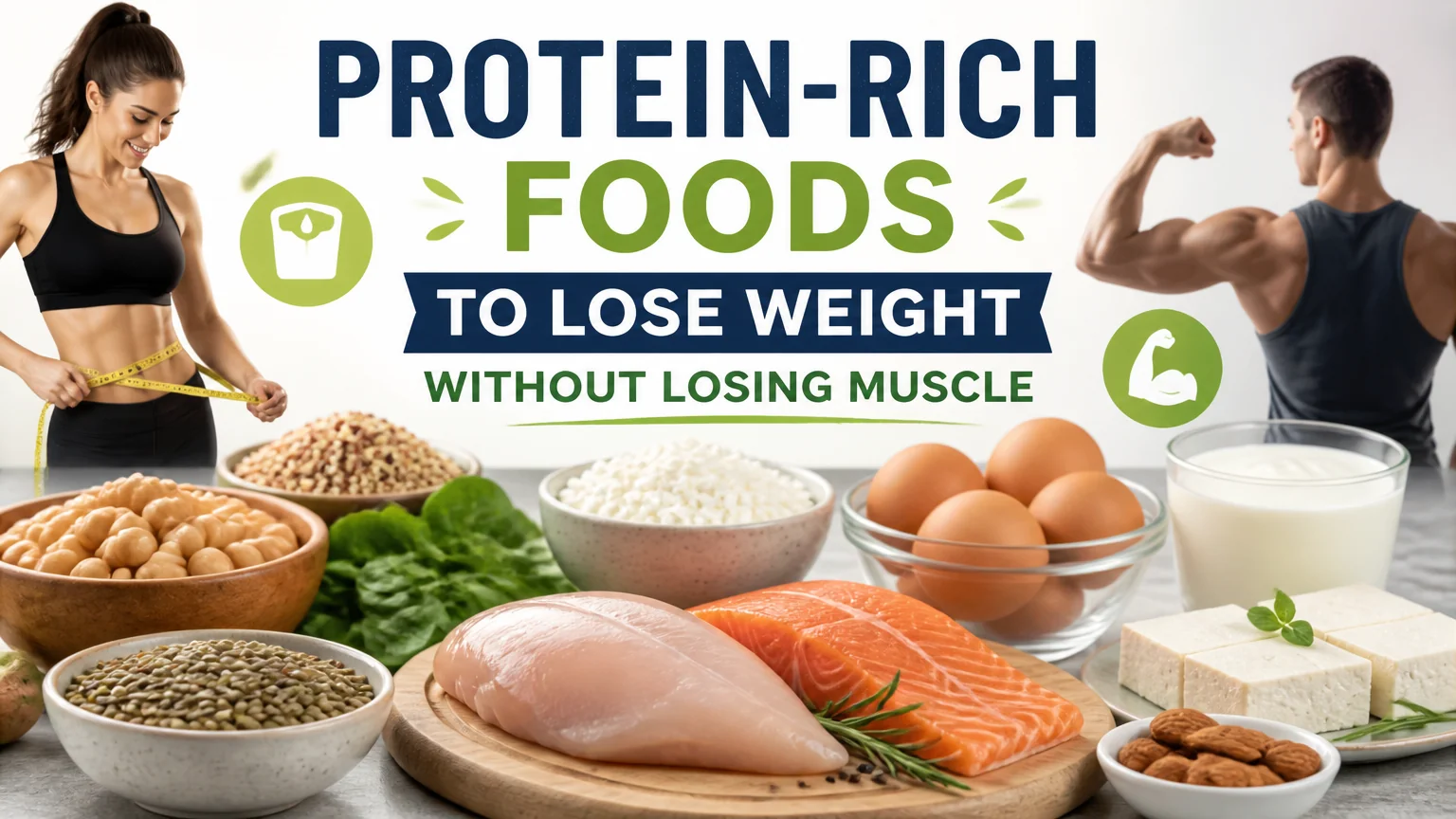
When choosing protein, it is important to consider both the quality (amino acid profile) and other nutrients provided by the sources (fats, fiber, micronutrients). Below are food groups that work particularly well in a plan to lose fat without losing muscle.

Lean meats

  • Chicken breast and turkey: high protein density and low fat content. Versatile for multiple preparations.
  • Lean beef: provides iron and vitamin B12, important in calorie-deficit diets.
  • Lean pork cuts: if well chosen, they are a practical source of high quality protein.

Fish and seafood

  • White fish: low in fat and rich in protein.
  • Oily fish (salmon, mackerel): provide protein and omega-3 fatty acids, which support metabolic health and recovery.
  • Seafood: usually rich in micronutrients and low in calories.

Eggs

  • High biological value: eggs contain essential amino acids in optimal proportions.
  • Practical and satiating: they adapt to breakfasts, lunches and dinners.

Dairy and dairy products

  • Greek yogurt and cottage cheese: high in protein and low in carbohydrates (depending on the version).
  • Milk and lean cheeses: useful in smoothies or as a complement to meals.

Legumes and whole grains

  • Lentils, chickpeas and beans: provide vegetable protein and fiber, perfect for satiety and intestinal health.
  • Quinoa and amaranth: grains with higher protein content and a more complete amino acid profile than other cereals.

Tofu, tempeh and other vegetable proteins

  • Tofu and tempeh: excellent vegetable alternatives, versatile and rich in protein.
  • Seitan: high in protein, useful for those who do not consume soy.

Nuts and seeds

  • Almonds, pistachios, chia and hemp seeds: combine protein with healthy fats; it is advisable to control portions due to their caloric intake.

Protein supplements

  • Protein powder (whey, casein, vegetable protein): practical tool to reach daily goals, especially after training or to complete meals.

How to distribute protein throughout the day

Spreading protein over several meals promotes continuous muscle synthesis. A useful guideline is to include a protein source at each main meal and at least one or two snacks. Aiming to consume between 20 and 40 grams of protein per meal is usually sufficient to maximize the anabolic response in most people. In addition, consuming protein within an hour of training can help with recovery and muscle maintenance.

Practical meal ideas

  • Breakfast: egg white omelet with spinach and a serving of Greek yogurt with berries.
  • Lunch: grilled chicken breast with quinoa and mixed salad.
  • Snack: protein shake with water or vegetable milk and a spoonful of almond butter.
  • Dinner: baked salmon fillet with steamed broccoli and baked sweet potato.
  • Snack: cottage cheese with chia seeds or hummus with vegetable sticks.

Combine with training and habits

Protein alone does not guarantee muscle preservation: it is essential to combine an adequate intake with strength training to stimulate muscle synthesis. Likewise, sleeping well and managing stress influence recovery and the anabolic response. In a moderate calorie deficit, prioritizing strength sessions 2-4 times per week and maintaining some aerobic activity helps to burn fat without sacrificing muscle mass.

Common mistakes to avoid

  • Relying solely on supplements: they are useful, but do not replace a varied diet.
  • Not adjusting calories: consuming too many or too few calories hinders fat loss or causes muscle loss respectively.
  • Neglecting the distribution: concentrating all the protein in one meal reduces the efficiency to maintain muscle.
  • Ignoring the quality of training: without strength stimulus, protein has a limited effect on lean mass preservation.

In summary, choosing quality protein sources, adjusting the amount to your needs, spreading out your intake and accompanying it with strength training creates an effective formula for losing fat while retaining muscle. With planning and consistency, you can reach your nutritional goals without sacrificing flavor and variety in your meals.

Become an expert in Nutrition weight loss!

Practical guide to nutrition and habits to lose weight healthily with practical tips now - Made up of 17 topics and 64 study hours – only $12.00.

EXPLORE THE COURSE NOW

Recent Posts


★