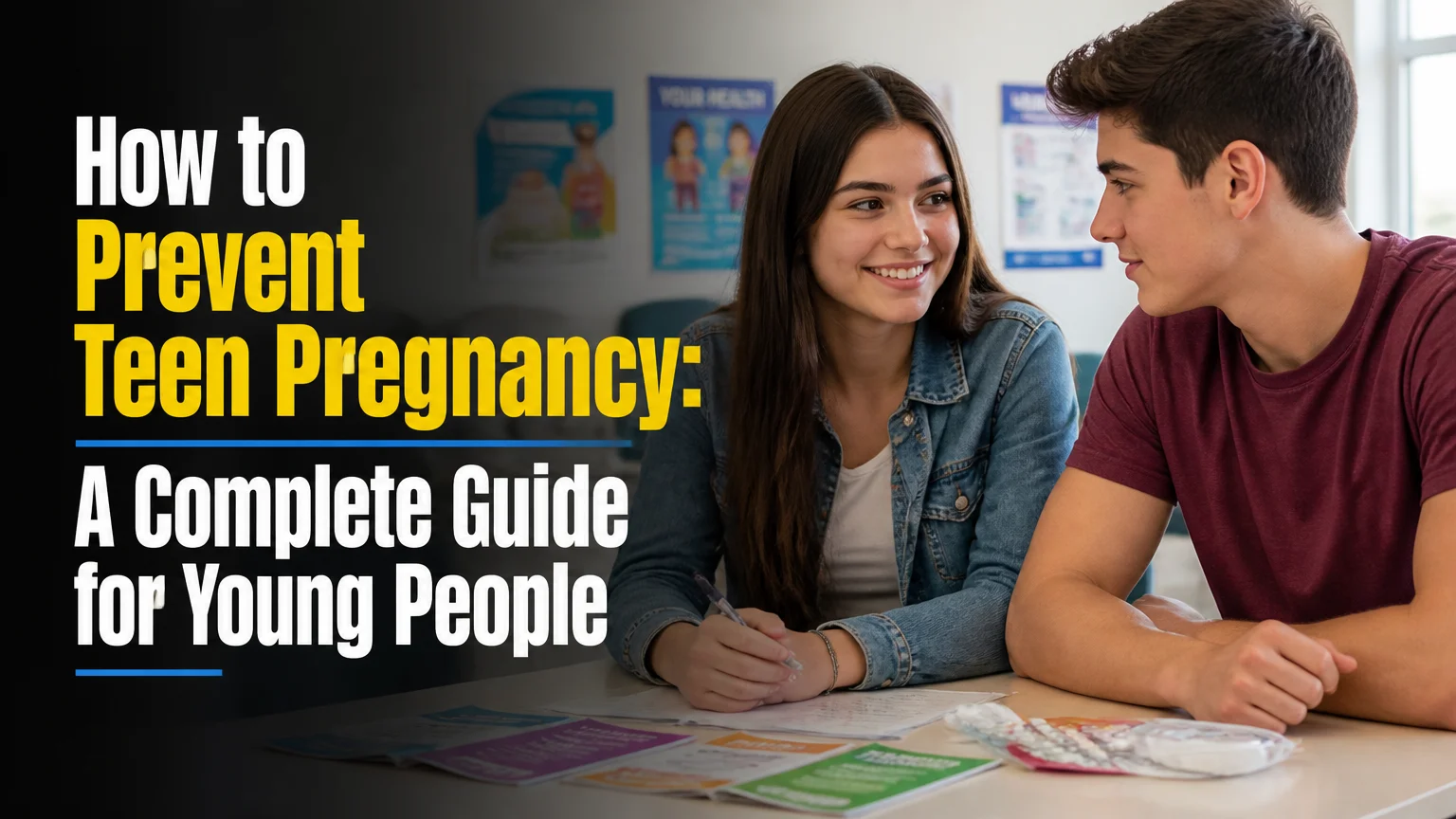
How to prevent teen pregnancy: a complete guide for young people - prevention pregnancy adolescence

onlinecourses55.com For Onlinecourses55 | 2026-10-24
How to prevent teen pregnancy: a complete guide for young people - prevention pregnancy adolescence


How to prevent teen pregnancy: a complete guide for young people - prevention pregnancy adolescence

To make informed choices about contraception, communication, and support, explore a practical course on preventing pregnancy during adolescence and help protect young people’s health and future goals.

During adolescence, many questions arise about sexuality, relationships, and the responsibilities they entail. Having clear and accessible information allows young people to make safer decisions, reduce risks, and protect their physical and emotional health. Here you’ll find practical guidance on methods, communication, access to services, and concrete steps to minimize the likelihood of an unplanned pregnancy—always with a respectful and realistic approach.

Why Prevention Is Important

Avoiding an unplanned pregnancy early in life contributes to better educational, career, and emotional opportunities. It also reduces medical risks and provides more time to mature emotionally before taking on parenthood. Prevention not only protects physical health but also helps maintain autonomy and personal goals.

Effects on Health and Life

  • Interruptions in education and career plans.
  • Higher likelihood of medical complications if adequate care is not accessed.
  • Emotional and social impact, including stress, anxiety, and stigma.
  • Economic consequences for the young person and their community.

Available Contraceptive Methods

There are various options for reducing the risk of pregnancy; their effectiveness varies, and many also offer protection against sexually transmitted infections (STIs) when used in combination with condoms.

Barrier methods

  • Male condom: protects against STIs and pregnancy if used correctly during every sexual encounter.
  • Female condom: an alternative when male condoms are not available or another option is preferred.

Hormonal methods

  • Birth control pill: requires daily use; highly effective when used consistently.
  • Patch and vaginal ring: release hormones and are changed weekly or monthly.
  • Hormonal injection: administered every one or three months, depending on the type.
  • Subdermal implant: a device inserted by a healthcare professional that provides protection for several years.

Intrauterine devices (IUDs)

  • Copper IUDs and hormonal IUDs: inserted by a healthcare provider; highly effective and long-lasting.
  • They are reversible but require prior evaluation and follow-up.

Emergency methods

  • Emergency contraceptive pill: useful after unprotected sex; the sooner it is taken, the more effective it is.
  • Copper IUD as an emergency method: can be inserted up to several days after intercourse to prevent implantation.

Natural and withdrawal methods

  • Natural family planning and withdrawal have higher failure rates; they are not recommended as the sole form of protection if you want to reliably prevent pregnancy.

How to Choose the Right Method

The choice depends on age, health, frequency of intercourse, the likelihood of forgetting to use it, side effects, and personal preferences. There is no one-size-fits-all method, but there are options that are best suited to each situation.

Factors to Consider

  • Effectiveness: Some methods offer superior and continuous protection.
  • Convenience and routine: If you’re likely to forget to take a daily pill, long-acting methods may be better.
  • Protection against STIs: Only condoms protect against sexually transmitted infections.
  • Side effects and medical contraindications: Consult a healthcare professional if you have any health concerns.

Consult a healthcare professional

A healthcare professional can explain your options, perform checkups, identify any contraindications, and offer free or low-cost methods depending on your location. Don’t be afraid to ask questions—it helps you make informed and safe decisions.

Communication with Your Partner and Family

Talking about contraception and boundaries is essential for responsible relationships. Clear communication reduces misunderstandings and strengthens mutual consent.

Tips for Talking with Your Partner

  • Choose a quiet, private time to talk.
  • Express your boundaries and expectations directly and respectfully.
  • Suggest specific options and agree on how to handle each situation.
  • If the other person doesn’t respect the agreements, reconsider the relationship and seek support.

Talking with family or guardians

If possible, seeking support from a trusted adult makes it easier to access services and information. In some places, care may be confidential; ask at health centers about privacy.

Where to Get Help and Services

There are many resources available depending on the country and city: health centers, university clinics, nongovernmental organizations, and helplines. Knowing your local options makes it easier to get birth control, testing, and counseling.

  • Public health centers: These often offer free contraceptive methods and counseling.
  • Private clinics and pharmacies: quick access to certain methods and the emergency contraceptive pill.
  • Youth organizations and NGOs: Sex education programs and confidential support.
  • Telemedicine services: allow for remote consultations and prescriptions in areas where they are available.

Common Myths and Facts

Misleading information can lead to decisions that increase risks. Clear up any doubts with reliable sources.

  • Myth: “You can’t get pregnant the first time.” True or false: It’s possible to conceive from the very first sexual encounter if ovulation occurs and no protection is used.
  • Myth: “Birth control causes infertility.” Generally false: Most methods are reversible, and fertility returns after discontinuation, though it’s always best to consult a healthcare provider.
  • Myth: “Taking the emergency contraceptive pill frequently poses no risks.” It is a one-time option; it is not recommended as a regular method due to lower effectiveness and possible side effects.
  • Myth: “If your partner says they don’t have an STD, you don’t need a condom.” Testing and knowledge are no substitute for using a condom if you’re seeking protection against infections.

Practical Tips for Reducing Risks

  • Plan ahead: Keep condoms on hand and know where to get contraception.
  • Combine methods: Using a condom along with another form of birth control increases protection.
  • Learn about your menstrual cycle: It can help, but it is no substitute for reliable methods.
  • Take action promptly after unprotected sex: get the emergency contraceptive pill or seek medical advice.
  • Prioritize communication and consent: No one should feel pressured to have sex.
  • Take care of your overall sexual health: get tested for STDs, get vaccinated against HPV when appropriate, and have regular medical checkups.

Conclusion

Having information, access to services, and emotional support makes a big difference. Responsible decisions combine knowledge, communication, and concrete actions. If you’re unsure, seek professional help or a local youth resource: asking for guidance is a brave and helpful step toward protecting your health and your future plans.

Become an expert in Prevention pregnancy adolescence!

Teen pregnancy prevention: guidance, sex education, contraception, and family support. Course with 11 topics and 24 study hours for only 12$ today

EXPLORE THE COURSE NOW
🎬

Videos Relacionados

Lorem ipsum, dolor sit amet consectetur adipisicing elit. Repellendus vero suscipit eos libero, aut minus debitis nobis quia porro ad ea nesciunt sed nulla est quod enim, iusto incidunt assumenda.

!Dale al play y continua tu aprendizaje
Video Thumbnail
▶
🕒 10:23

Título del Video

Descripción breve del video relacionado.

Ver Video
Video Thumbnail
▶
🕒 10:23

Título del Video

Descripción breve del video relacionado.

Ver Video
Video Thumbnail
▶
🕒 10:23

Título del Video

Descripción breve del video relacionado.

Ver Video
Ver todos los videos de este tema

Recent Posts


★