
Dynamics of the Unconscious, Id, Desire and Love Explained
Uncover female desire, rooted in the primal unconscious. Explore how romantic affection differs from erotic passion and the role of authenticity in attraction.
Watch Video For Onlinecourses55
|
2026-11-13
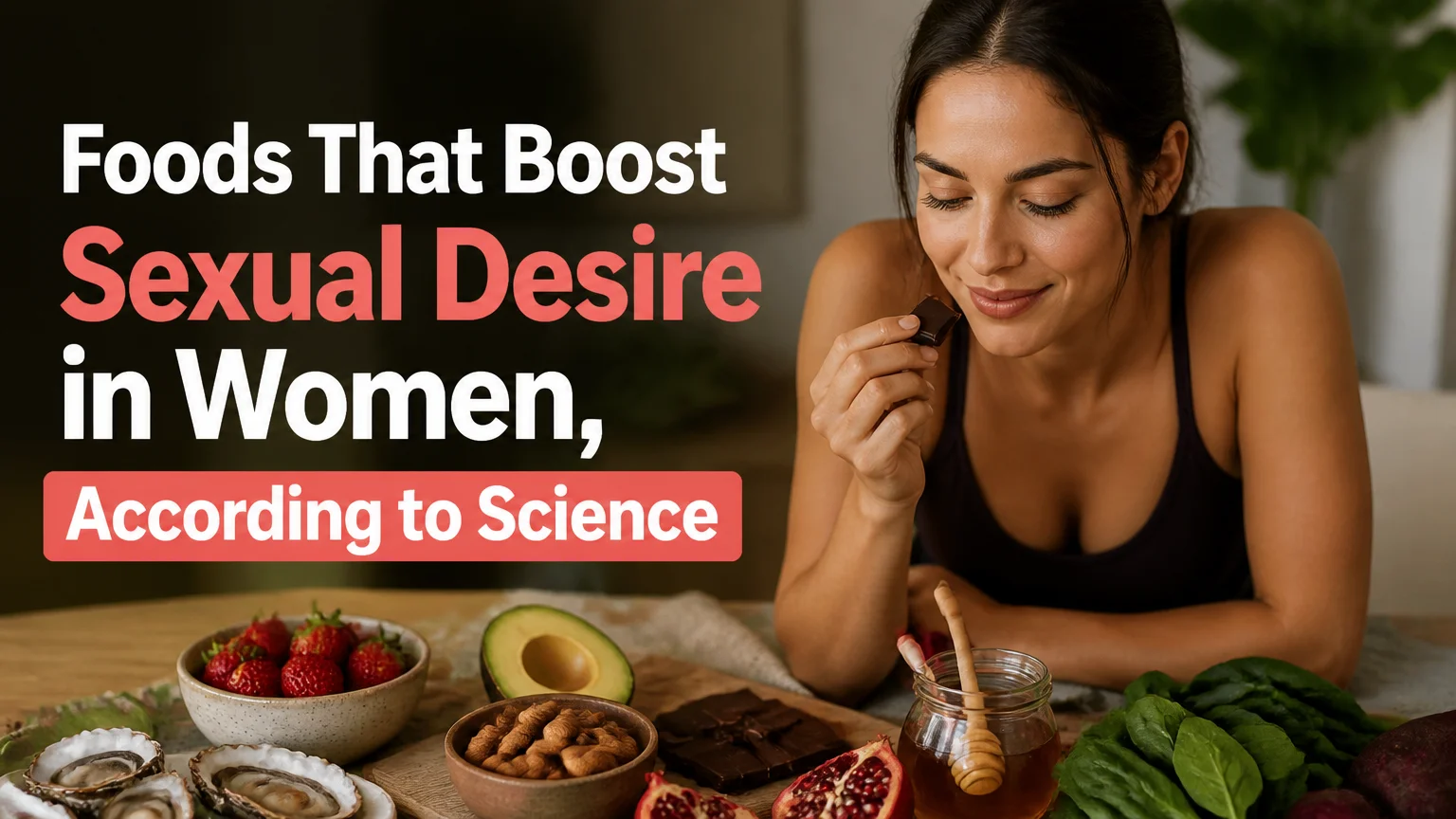
Foods that boost sexual desire in women, according to science
As you explore how nutrition can support arousal and hormonal balance, deepen your understanding with a course on women’s sexual desire and discover practical ways to nurture a more fulfilling intimate life.
The connection between what we eat and how we feel sexually isn’t just a myth: science shows that certain nutrients and dietary patterns influence hormones, circulation, and mood—key factors in sexual desire. Beyond myths and legends, understanding which foods provide beneficial components—such as fatty acids, vitamins, minerals, and bioactive compounds—allows you to design a diet that promotes greater energy, lubrication, and arousal. Here, we explain the options with the strongest scientific backing and how to practically incorporate them into your daily life.
Several biological processes are linked to female sexual desire: hormone production (estrogens, low levels of testosterone), blood flow to the genitals, neurotransmitters such as dopamine and serotonin, and energy balance. Nutrients such as zinc, vitamin D, omega-3 fats, antioxidants, and certain phytochemicals can support these processes. In addition, a diet that improves mood and body confidence also has a direct impact on desire.
Zinc is essential for the synthesis of sex hormones and ovarian function. Oysters, mussels, and other seafood are concentrated sources of this mineral. Studies suggest that correcting deficiencies may improve sexual desire and response in people with low levels. Including fresh, high-quality seafood once a week may be beneficial.
Salmon, mackerel, sardines, and other fatty fish provide omega-3 fatty acids, which improve cardiovascular health and circulation. Improved blood flow to the pelvic area promotes lubrication and sexual response. Additionally, omega-3s reduce inflammation and may modulate neurotransmitters related to pleasure and mood.
Avocados are rich in monounsaturated fats, vitamin E, and potassium. Vitamin E has been linked to healthy skin and tissues, while healthy fats support hormone production. They are a versatile and filling food that also provides nutrients that support energy and overall well-being.
Almonds, walnuts, hazelnuts, pumpkin seeds, and chia seeds contain healthy fats, zinc, magnesium, and arginine. Arginine is a precursor to nitric oxide, a key molecule for vasodilation and blood flow. Eating a handful daily as a snack or adding them to meals can be a simple way to incorporate these benefits.
Dark chocolate (high cocoa content) contains phenylethylamine and theobromine, compounds that can improve mood and a sense of well-being. Its direct effect on desire is inconclusive, but its emotional and sensory impact makes it a valuable ally for creating context and arousal. Ideally, choose varieties with at least 70% cocoa and consume in moderation.
Strawberries, citrus fruits, kiwis, and berries provide vitamin C and antioxidants that protect blood vessels and tissues. Vitamin C also plays a role in hormone production and can improve blood flow. In addition, these fruits are refreshing and associated with intimate moments, which helps create a favorable atmosphere.
Spinach, Swiss chard, and kale provide iron, magnesium, and folate. These nutrients are important for energy, stamina, and sexual function. Iron deficiency can lead to fatigue and low libido, so maintaining adequate levels through vegetables—and, if necessary, supplements—is key.
Ginger, cinnamon, and ginseng have been studied for their effects on circulation and energy levels. Ginger can improve blood flow and reduce digestive symptoms that affect comfort, while cinnamon provides a warming sensation and improves sensitivity to sugar. Ginseng, in some studies, shows positive effects on sexual desire and function, although the evidence varies.
Garlic contains sulfur compounds that boost circulation and cardiovascular health. However, consuming it in excess or right before intimate moments may not be well received due to its odor. A regular diet that includes garlic and onions supports circulation without the need to consume them in conspicuous amounts.
It’s important to remember that food doesn’t act as an instant “switch” for desire. The effects usually appear when diet is part of a healthy lifestyle that includes adequate sleep, exercise, stress management, and emotional connection. Additionally, medical conditions, medications, and psychological factors can reduce desire and should be evaluated by healthcare professionals.
Some people are allergic to seafood, nuts, or foods like chocolate; in those cases, alternatives are available. If you’re taking blood-thinning medications, consult your doctor before increasing your intake of certain spices or supplements. It’s also advisable to limit your consumption of stimulants and supplements without medical supervision.
Including fatty fish, seafood when possible, avocado, nuts, leafy green vegetables, fruits rich in vitamin C, stimulating spices, and dark chocolate in moderation can help improve energy, circulation, and emotional well-being—all of which facilitate desire. Beyond “magic cures,” adopting a balanced diet and paying attention to your overall health is the most solid and sustainable strategy for enhancing your sex life.
Do you prefer learning by watching and listening? Expand your knowledge with these free videos related to this topic.
Uncover female desire, rooted in the primal unconscious. Explore how romantic affection differs from erotic passion and the role of authenticity in attraction.
Watch VideoLearn to awaken and sustain desire by revealing your inner world in layers, cultivating emotional autonomy, and creating magnetic, instinctive attraction.
Watch VideoWhy women's desire is often responsive, how conditioning, performativity, and coitocentrism block it, plus practical steps to ease guilt and reclaim pleasure.
Watch VideoSearch
Popular searches