For Onlinecourses55
|
2026-10-31

Sexuality and lgbtiq diversity in shelters: best practices - sexuality center reception
To create safer, more inclusive reception settings, build your skills with specialized training in sexuality-aware reception and help every person feel respected, protected, and understood.
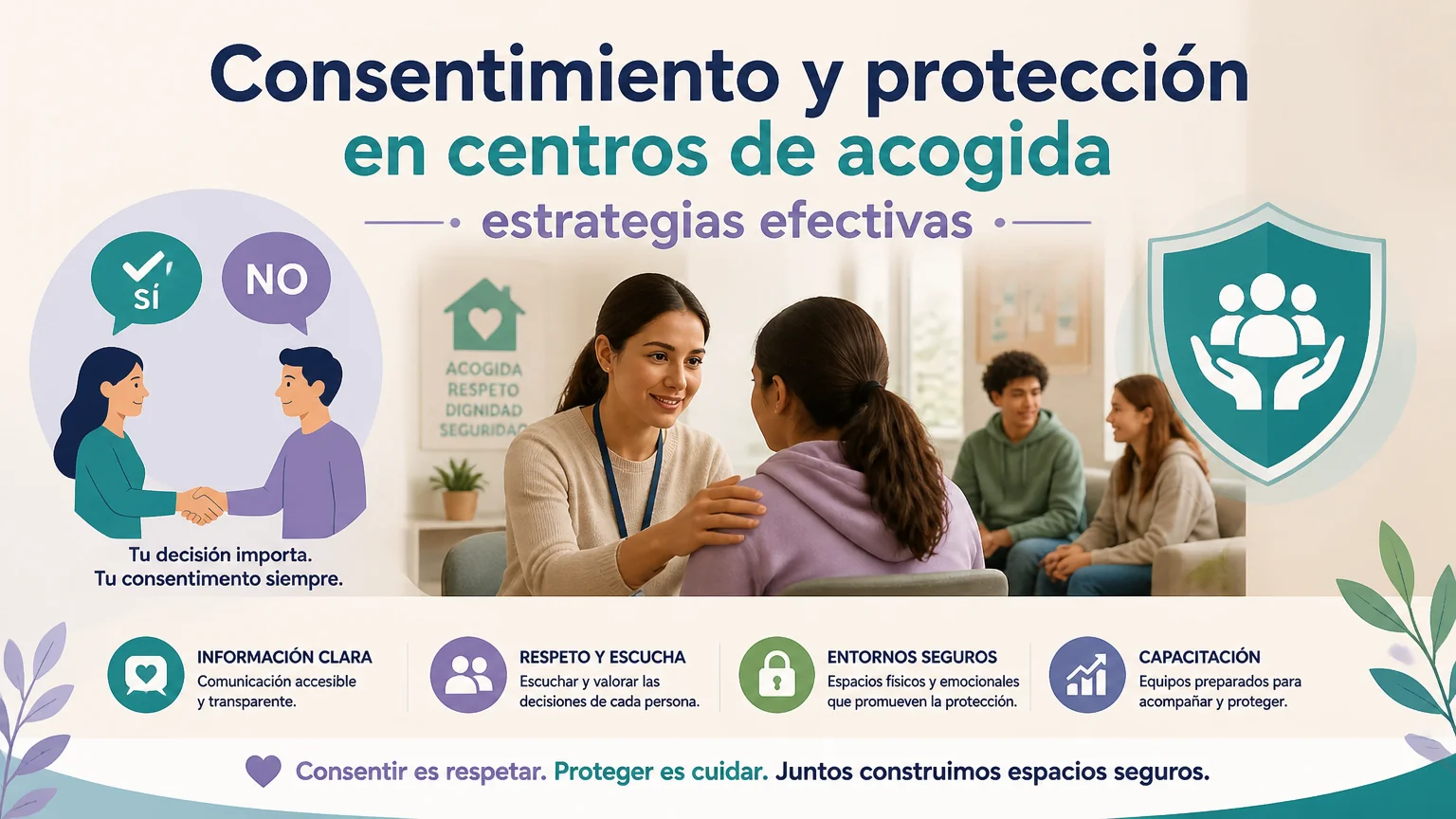
People with diverse backgrounds and needs live together in residential care centers. Ensuring a safe and respectful environment with regard to sexuality and LGBTQI diversity is essential to their overall well-being. This text aims to offer practical, accessible guidance for professionals and care providers, with the goal of promoting inclusion, preventing discrimination, and providing support with respect and empathy.
Before adopting any procedure or rule, it is helpful to embrace certain basic principles that guide day-to-day practice. Every person’s dignity is non-negotiable; confidentiality and the right to privacy must be safeguarded; and a professional’s moral neutrality means providing support without judgment. It is also essential to recognize intersectionality: the experience of an LGBTQI person in residential care may intersect with age, background, gender, disability, or financial circumstances, requiring individualized responses.
Center rules should be written and communicated with emotional and sexual diversity in mind. This includes avoiding exclusive or binary language in forms and documents, incorporating protocols to protect against discrimination based on sexual orientation or gender identity, and establishing clear procedures for handling incidents. Disciplinary rules should be applied equitably and, where possible, include restorative measures.
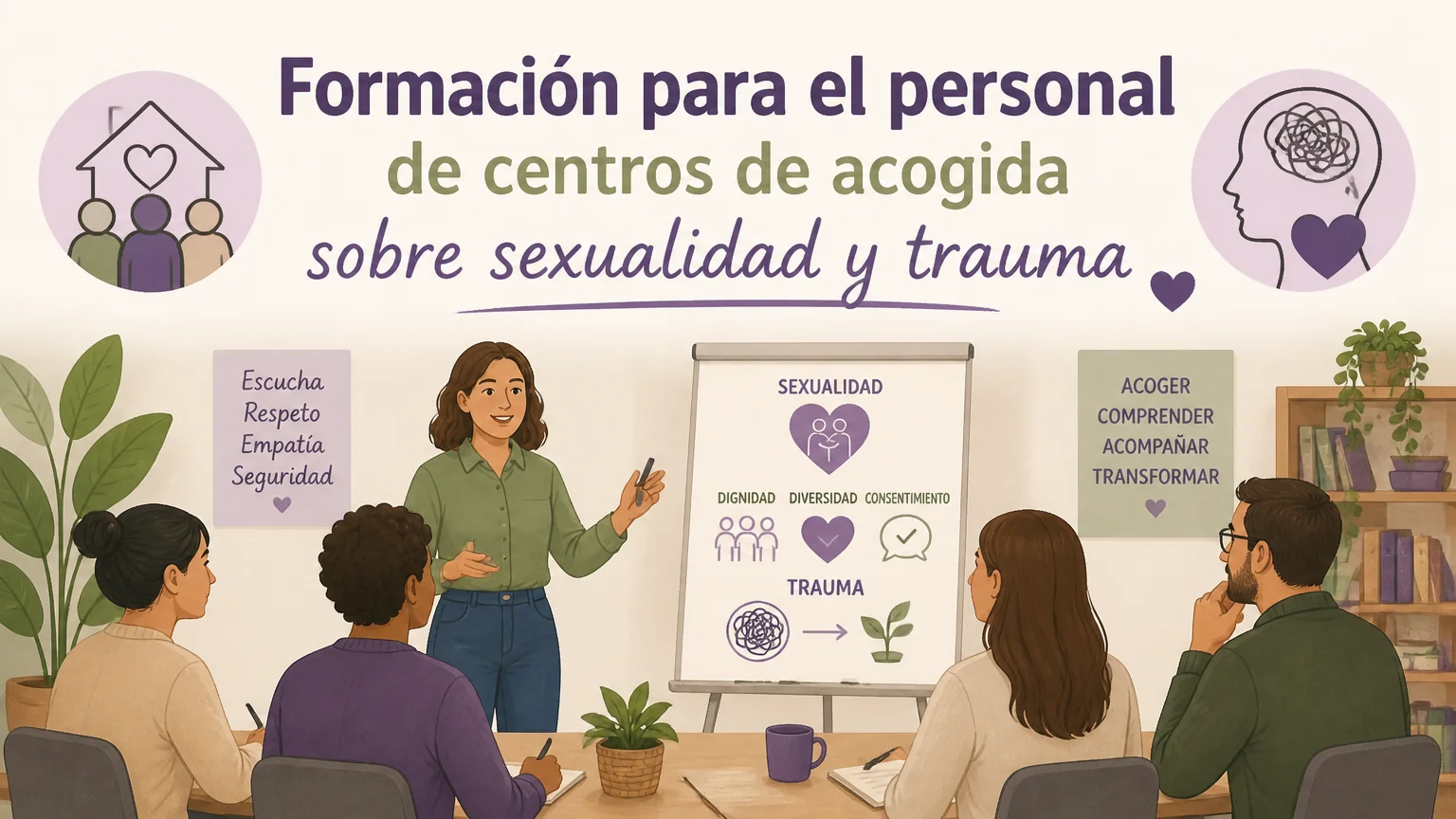
A well-trained team reduces mistakes and improves the quality of support. Training should be ongoing, practical, and participatory, addressing legal, clinical, and interpersonal aspects. Including the testimonies and perspectives of LGBTQI people is key, both to make their experiences visible and to dispel myths. Training in intersectional care and crisis management should also be provided.
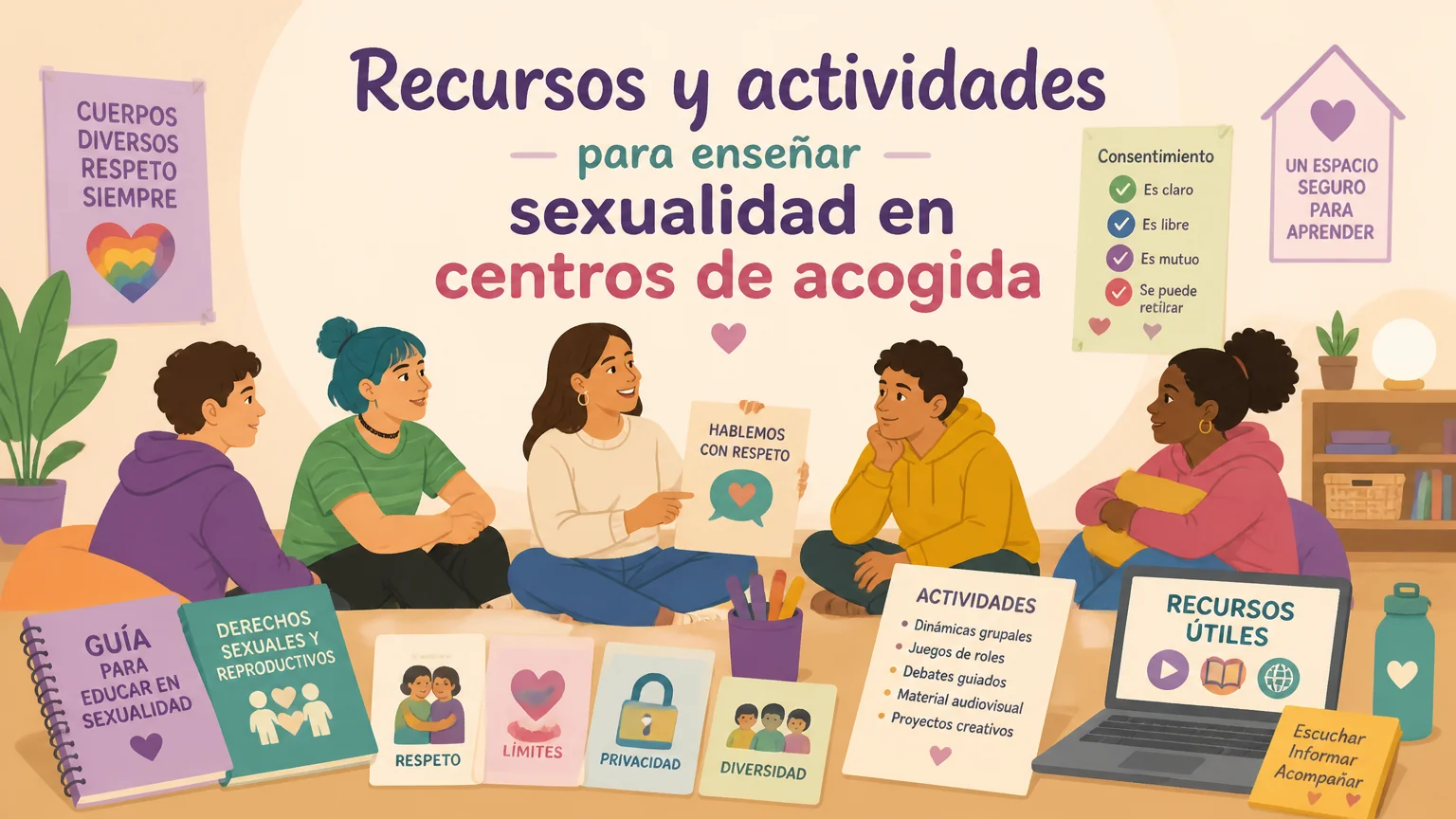
The physical environment affects how safe people feel. Non-discriminatory signage, diverse educational materials, and visible symbols of inclusion (when safe) help create a welcoming atmosphere. Rooms and bathrooms should be managed according to principles of safety and dignity, offering options that respect gender identity and privacy. It is also important to ensure access to condoms, lubricants, and informational resources on sexual health and prevention.
Residents may have specific needs related to their sexual orientation or gender identity. Psychosocial support should begin with active listening, validating their experiences, and strengthening self-esteem. Offering resources to help people cope with discrimination, providing information about external LGBTQI support networks, and facilitating safe spaces for emotional expression are essential practices. Support plans should be reviewed regularly and adapted to the person’s changing needs.
Tensions related to prejudice or a lack of understanding may arise in group settings. Mediation and preventative education are more effective than immediate sanctions. When an incident occurs, staff should act quickly, ensure the safety of the person affected, document what happened, and offer reparative and protective measures. It is essential to avoid revictimization and maintain confidentiality.
Residents do not always have family support; when family ties exist, working with families can help foster acceptance and understanding. Visits, facilitated conversations, and family workshops can help reduce rejection. Building partnerships with LGBTQI organizations, specialized health services, and housing networks also makes it possible to offer more comprehensive and ongoing resources.
Implementing good practices requires follow-up. Keeping anonymous records of incidents, training provided, and residents’ satisfaction helps identify gaps. Regularly evaluating policies and listening to people who live at the center makes it possible to adjust measures and promote an inclusive organizational culture. Continuous improvement also involves allocating resources for training and adapting facilities when necessary.
Small everyday actions make a difference: respecting someone’s name, speaking up in response to a discriminatory comment, and providing clear information about rights and services. Empathy and institutional consistency build trust. Remembering that emotional safety and the freedom to express one’s sexuality and identity are human rights helps keep the focus on the dignity of every resident.
Search
Popular searches