Understanding Clinical Sexology, Sexual Health, and Behavior
Learn how clinical sexology assesses sexual function, considering anatomy, vascular, neurological, hormonal and emotional factors, habits, and heart health.
Watch Video For Onlinecourses55
|
2026-11-10
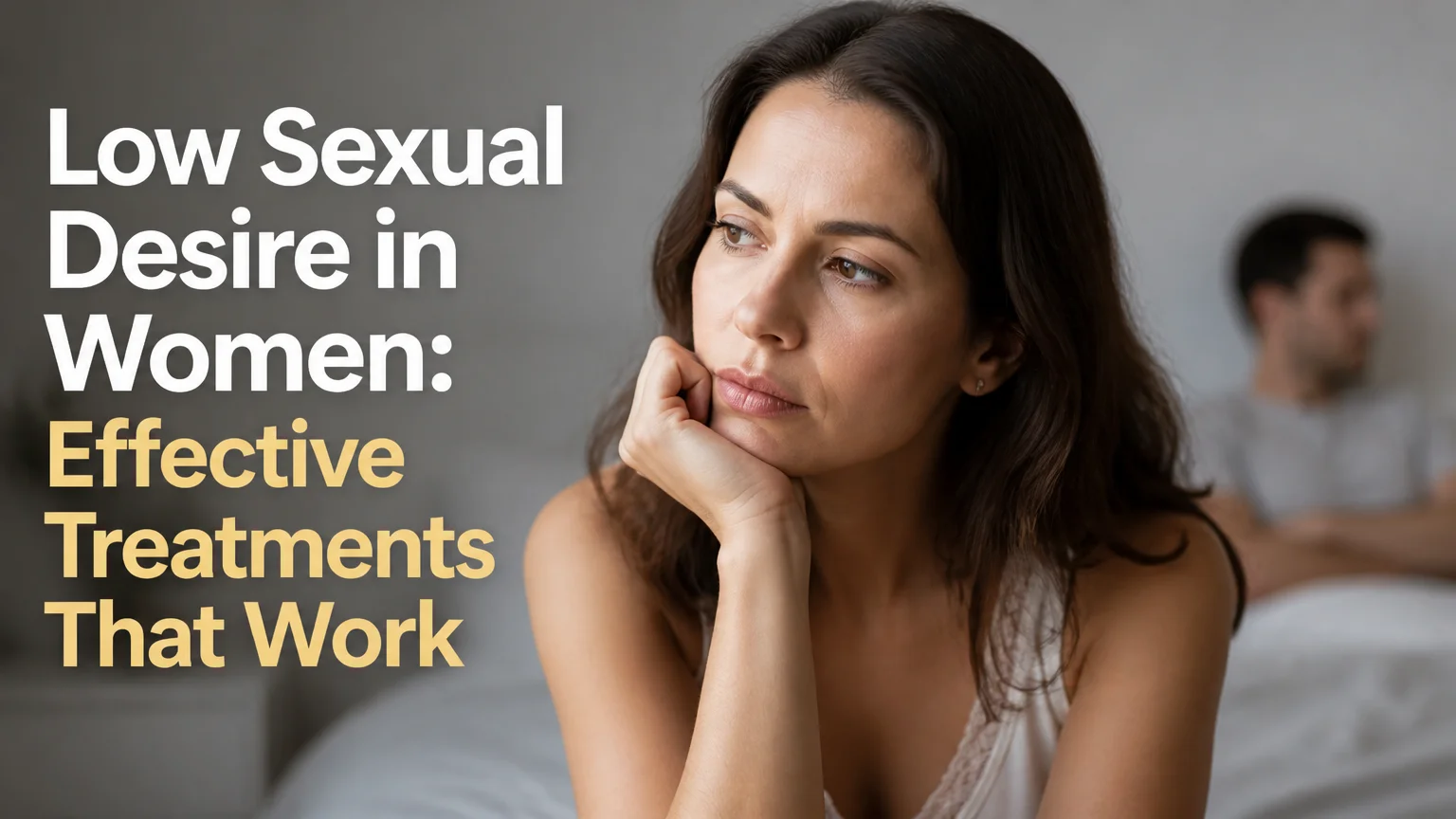
Low sexual desire in women: effective treatments that work
For a deeper understanding of treatment options for sexual concerns, explore this course on addressing sexual dysfunctions and gain practical insights to support informed, compassionate care.
In this article, we explore practical, evidence-based approaches to addressing decreased sexual desire in women. The goal is to offer clear, realistic, and actionable options for those experiencing a loss of sexual interest, as well as for partners and professionals seeking support. Here, we discuss causes, treatments, therapies, and lifestyle changes that have proven effective in various contexts.
A lack of desire can stem from biological, hormonal, psychological, and social factors. Notable biological causes include hormonal changes linked to menopause, the postpartum period, the use of certain medications, and medical conditions such as thyroid problems or chronic illnesses. From a psychological perspective, causes include stress, anxiety, depression, low self-esteem, and previous negative sexual experiences. Relational factors include conflicts, lack of communication, routine, and misaligned expectations between partners. Additionally, cultural context and beliefs about sexuality can have a significant influence.
Hormones play a central role in sexual desire. Decreased levels of estrogen and, in some stages of life, testosterone, as well as thyroid imbalance, can reduce sexual interest. Assessing hormone levels and underlying conditions is a recommended first step. In many cases, endocrinological treatment or an adjustment to medication (such as antidepressants that affect libido) can improve symptoms. Systemic or topical hormone therapy is considered based on each woman’s age, risks, and goals.
The mind directly influences sexual response. Chronic stress, work-related worries, family conflicts, and past traumas can lower libido. Individual and couples sex therapy or psychological therapy helps identify limiting beliefs, improve communication, and rebuild intimacy. Cognitive-behavioral techniques, mindfulness, and sensory exercises are used to reconnect with desire and reduce sexual anxiety. Sex education also provides practical tools for exploring preferences and boundaries.
When the causes are medical or hormonal, there are evidence-based options that can be effective. Hormone therapy combined with local treatments promotes lubrication and sexual response in some women. There are drug treatments approved in certain countries for specific desire disorders, as well as off-label medications used under medical supervision. It is essential to conduct an individualized assessment, evaluate risks and side effects, and combine medical intervention with psychological support to achieve better results. A multidisciplinary approach is often the most effective.
Psychological intervention is key when emotional and relational factors predominate. Specialized sex therapy offers strategies to improve arousal, desire, and satisfaction. For couples, the focus is on communication, negotiating needs, and planning intimate encounters that reduce pressure. Techniques such as non-sexual touch exercises, sensory focusing, and exercises to restore closeness are common. Additionally, cognitive-behavioral therapy helps modify automatic thoughts that interfere with desire. Professional support promotes sustainable changes over time.
Small daily adjustments can have a significant impact on libido. Getting enough sleep, maintaining a balanced diet, exercising regularly, and reducing alcohol consumption are steps that improve energy levels and mood. Learning stress management techniques, such as breathing exercises, meditation, or yoga, helps reduce the tension that blocks desire. Spending quality time with your partner, setting aside intimate moments free from distractions, and exploring new aspects of your sexuality also revitalize interest. Self-care, hobbies, and social support contribute to a more satisfying sex life.
Some people find benefits in complementary approaches, such as acupuncture, specific natural supplements, and integrative wellness programs. It is important to consult with professionals to ensure that these do not interfere with medical treatments and to assess their safety. The evidence is mixed, so they should be considered as complements rather than substitutes for established medical or psychological therapies. In certain cases, combined programs offer better results than isolated interventions.
The choice of treatment should be based on a comprehensive evaluation that considers medical history, age, personal preference, and sexual goals. Communicating openly with your healthcare provider and your partner facilitates shared decision-making. Key questions include: What is the possible cause? What are the risks and side effects of each option? Can interventions be combined? What is the follow-up plan? A gradual approach, starting with less invasive interventions and evaluating changes, is usually prudent. Adherence and ongoing adjustment increase the likelihood of success.
It is recommended to seek help when a decrease in desire causes distress, affects the relationship, or when sudden changes associated with medical problems occur. A sexual health professional, gynecologist, or psychologist can guide the diagnosis and propose a personalized treatment plan. There is no need to wait for the situation to worsen; early intervention usually yields better results and prevents more profound emotional consequences.
Small daily steps can make a difference; try these ideas to start making positive changes.
In summary, addressing low sexual desire in women requires understanding the variety of causes and offering personalized options. Combining medical evaluation, lifestyle adjustments, and psychological support increases the likelihood of recovery. Honest communication with your partner and seeking gradual solutions are key to regaining intimacy. Seeking professional support when necessary helps avoid stigma and accelerates improvement. With patience, dedication, and appropriate strategies, it is possible to restore a satisfying and fulfilling sex life. If you have concerns, seek a professional evaluation and remember that every process is unique; moving forward step by step promotes lasting results. You are not alone; always seek professional and emotional support.
Do you prefer learning by watching and listening? Expand your knowledge with these free videos related to this topic.
Learn how clinical sexology assesses sexual function, considering anatomy, vascular, neurological, hormonal and emotional factors, habits, and heart health.
Watch VideoDelve into the interplay between personality, identity, and sexuality, highlighting how emotional defenses and relational dynamics influence sexual well-being.
Watch VideoExplore the human sexual response cycle's four phases: arousal, plateau, orgasm, and resolution, highlighting key factors for understanding sexual dysfunction.
Watch VideoSearch
Popular searches