For Onlinecourses55
|
2026-03-05
For Onlinecourses55
|
2026-03-05
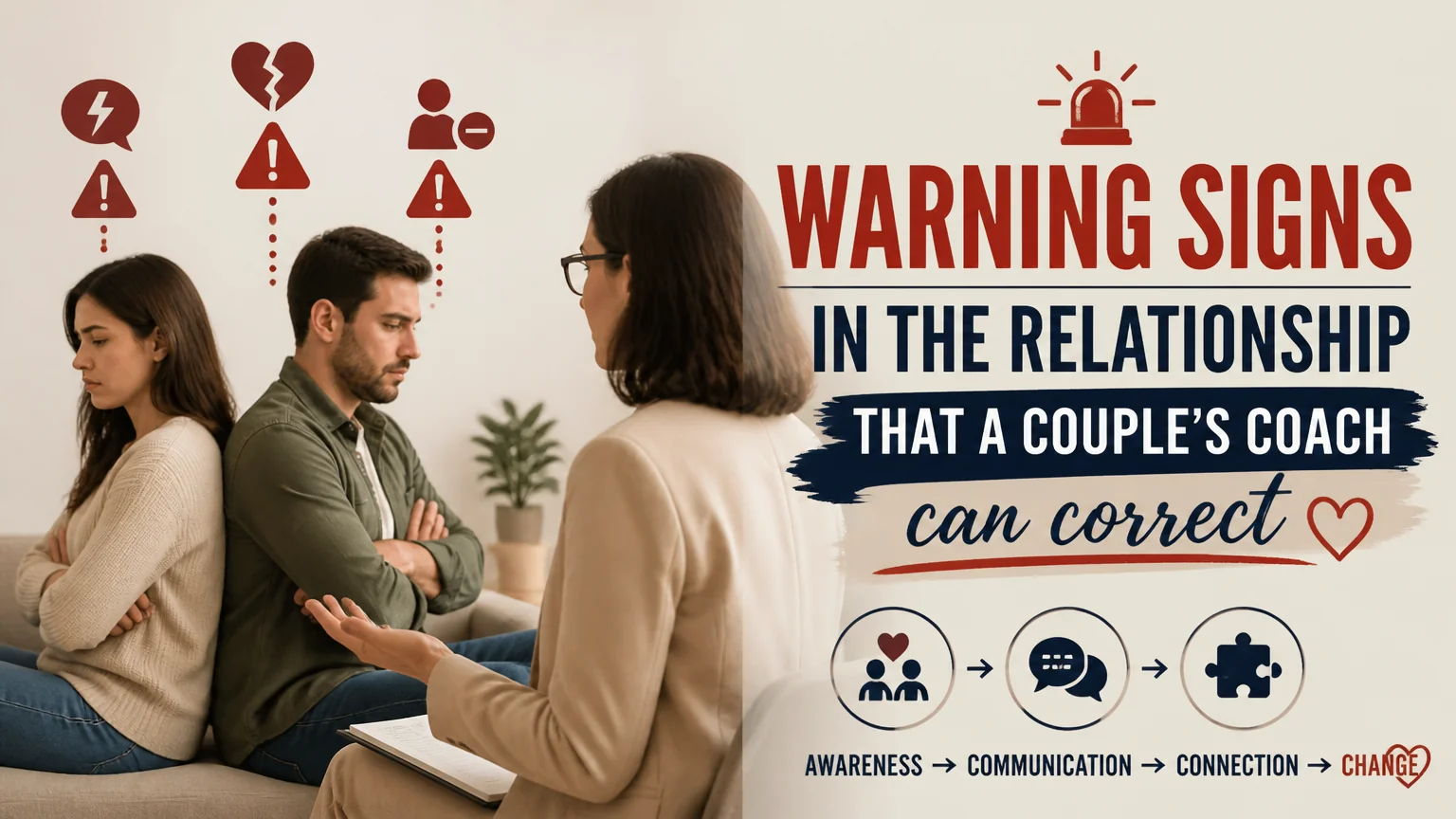
10 signs that you urgently need a couple's coach - couples coach
If you recognize these signs in your relationship, seeking guidance can be transformative. Consider exploring the benefits of professional support with a helpful approach to improve your bond through this enriching online course designed for couples aiming to reconnect and heal.
There are times in a relationship when difficulties stop being one-off episodes and become a constant feeling of discomfort. Recognizing the signs early can make the difference between healing the relationship or dragging out wounds that worsen over time. Clear signs that often appear when professional intervention becomes urgent are described below, along with practical guidance on what to expect and how to take the first steps.
When talking with your partner consistently ends in fights, reproaches or prolonged silences, and no conversation seems to resolve anything, the communicative dynamic has deteriorated. If you feel that what you communicate is received as an attack or that any attempt to clarify things makes the situation worse, it is time to ask for external support.
Feeling that the partner is physically "there" but emotionally absent for weeks or months is a warning sign. Affective coldness, lack of interest in sharing emotions or in supporting each other indicates that there are deep wounds that require intervention to reconnect.
Discussing the same issues over and over again without moving forward is a sign of rigid patterns. If they fall back into the same arguments and neither is able to understand the other or change their behavior, a coach can help identify those patterns and propose new strategies.
A significant decrease in intimacy - not only sexual, but also gestures of affection, closeness and tenderness - is often a symptom of deeper problems. When intimacy disappears and this generates suffering, seeking specialized help is a necessary measure.
Trust is the basis of any relationship. If there is deception, recurrent concealment or a permanent sense of suspicion, the relationship is at risk. A coach can facilitate processes to restore transparency and negotiate new boundaries and agreements.
Jealousy that leads to monitoring, controlling a partner's time or social networks, or that generates constant anxiety, should not be normalized. When control begins to limit the life of one or both partners, it is critical to intervene to prevent harmful escalations.
If key issues such as housing, children, finances or the future are put off for fear of conflict or because one always gives in, the uncertainty can lead to resentment. A coach helps to bring clarity and facilitate respectful and concrete negotiations.
Any form of abuse - constant yelling, humiliation, manipulation or physical violence - is a red flag. In these cases, the priority is safety. Seeking urgent professional help is essential and may involve psychological or legal support or protective measures.
When the relationship causes chronic anxiety, depression, insomnia or physical health problems, the damage transcends the couple. If either partner is suffering from serious effects on their well-being, the intervention of a professional becomes a priority.
If one or both feel that the relationship only continues out of inertia, fear of loneliness or for practical reasons without hope of change, clarifying whether it is possible to rebuild the relationship or whether it is healthier to separate requires accompaniment. A coach can help explore options with clarity and respect.
A couple's coach works to identify patterns, improve communication and set concrete goals for the relationship. Unlike therapies focused on individual pathologies, coaching often focuses on practical solutions, day-to-day tools and actionable agreements. It also helps to prioritize mutual safety and respect, set boundaries and design concrete steps for reconciliation or conscious separation if necessary.
Look for professionals with specific training in couples and good references; ask about their approach and experience with situations similar to yours.
The first session usually involves a diagnosis of the dynamics, identification of specific goals and setting tasks between sessions to practice new ways of relating to each other.
The process requires commitment from both parties for the tools to work; however, it is also possible to start individually if only one is willing to attend.
A good coach will respect boundaries, prioritize safety and, when he or she detects mental health issues or risk of violence, refer to other relevant professionals.
Talk honestly about the need to seek support, emphasizing the urgency for both of you, avoiding accusations and focusing on the facts and how you feel.
Seek referrals from coaches or specialized centers, read reviews and ask for a first interview to learn about the approach and availability.
If there is a risk of violence, prioritize safety: contact emergency services, helplines or entities that can offer immediate protection and counseling.
Be prepared to commit to concrete tasks and small goals; real change often comes from consistent practices rather than large, isolated gestures.
Acting early can prevent problems from escalating and allows you to regain the closeness and respect that made the relationship possible in the first place. Asking for help is not a sign of failure, but of courage and responsibility to oneself and one's partner.
Search
Popular searches