For Onlinecourses55
|
2026-09-05
For Onlinecourses55
|
2026-09-05
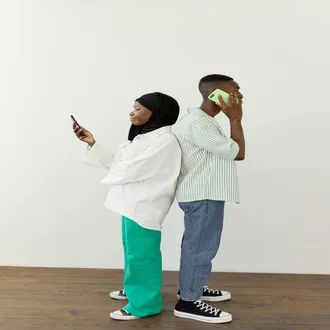
Signs that couples therapy is working - couples therapy training
Create a safer environment for expressing feelings and needs. Discover how to enhance communication with our comprehensive training course for couples that emphasizes active listening.
One of the first indicators that usually appears is a tangible change in how they communicate. Not necessarily all misunderstandings disappear, but there is a greater ability to express how you feel without the other person immediately reacting defensively. Conversations stop being just reproachful exchanges and begin to include explanations, clear requests and emotional validation.
Trust is built with small, repeated actions. When therapy is contributing, both partners begin to engage in behaviors that demonstrate safety: honoring agreements, being transparent with important information, and taking ownership of one's part in problems. This reduces emotional hypervigilance and allows the relationship to be sustained with less anxiety.
It is unrealistic to expect that conflicts will disappear, but it is hopeful that the way they are dealt with will change. In couples that move forward, disputes are resolved with less escalation and with more focus on solutions than on winning the argument. Practical strategies for negotiating and maintaining agreements over time emerge.
Emotional and physical intimacy usually improves when there is more security and communication. This can translate into everyday gestures of closeness, meaningful conversations, and a greater willingness to be together without having to talk all the time. Intimacy does not have to be perfect; what is important is that the sense of connection is restored.
Real change takes time and practice. A clear sign that the intervention is being effective is that the couple continues to try to apply what they have learned outside of the sessions. Regular attendance, completion of homework between meetings, and willingness to bring difficult issues to therapy indicate a level of commitment that often predicts sustainable improvements.
When the dynamic improves, practical changes in daily life are also noticeable. These may be adjustments in task management, in time planning, or in the way financial or family matters are decided. These are transformations that show that the couple is functioning in practice and not just in conversation.
Although there is progress, it is also important to recognize limits and to know when it is necessary to rethink the therapeutic strategy. If changes are very slow, if certain painful patterns persist or if a crisis appears (infidelity, problematic consumption, violence), it is advisable to talk to the therapist to adjust objectives, integrate individual therapy or consider other resources.
Search
Popular searches