For Onlinecourses55
|
2026-10-27
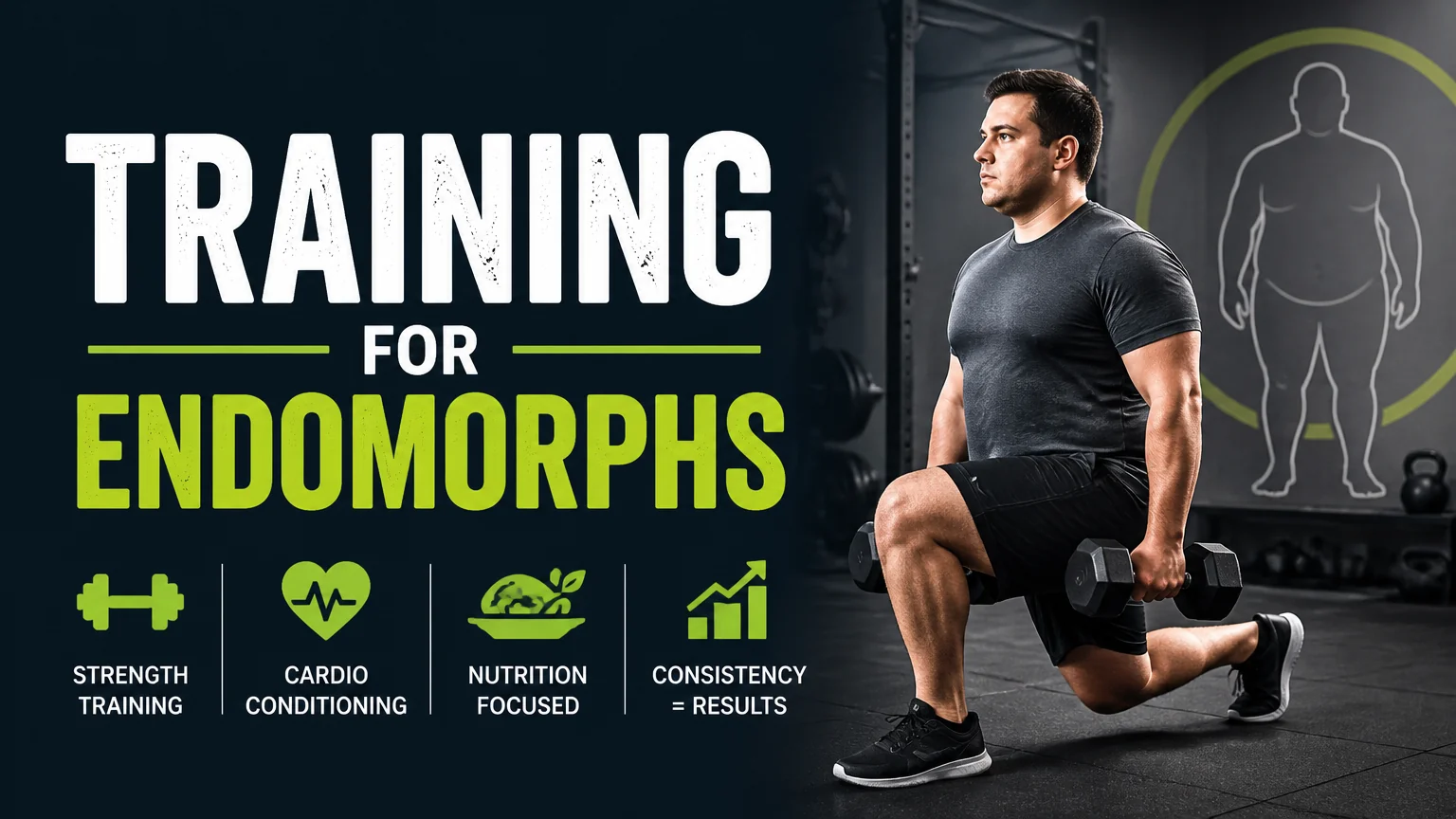
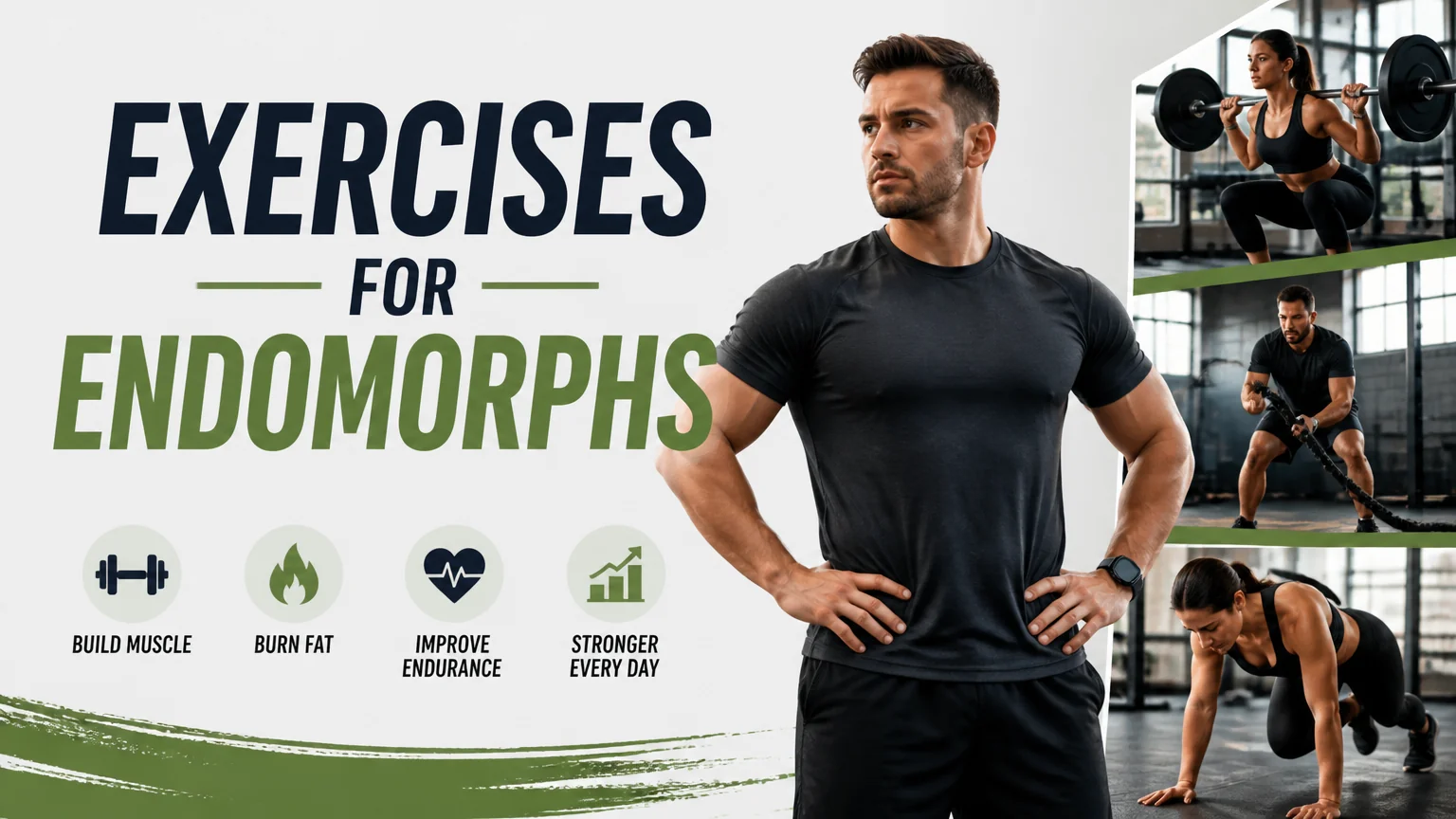
Training for endomorphs - diets endomorphs
Are you ready to tackle the challenges of being an endomorph with confidence? Find out how to design an effective and sustainable training plan that embraces your unique characteristics. Our specialized online course will help you develop the right strategies. Start learning the essential skills to improve your fitness journey today!
Hello, endomorph friend! Have you ever felt like you were fighting an uphill battle to lose weight and gain muscle? You are not alone. Endomorphs, like us, often have to work a little harder to achieve their fitness goals. But don't despair, because with the right training and nutrition, you can transform your body and reach your maximum potential! In this ultimate guide, I will provide you with everything you need to know to design an effective and sustainable training plan that allows you to overcome the unique challenges faced by endomorphs.
Before diving into the training details, it is crucial to understand what it means to be an endomorph. In simple terms, an endomorph is one of the three basic body types, also known as biotypes (the other two are ectomorph and mesomorph). Endomorphs tend to have a more robust build, with more body fat and less muscle mass compared to the other biotypes.
Here are some common characteristics that define endomorphs:
Slow metabolism is perhaps the biggest challenge endomorphs face. Why? Because it means the body burns fewer calories at rest and during physical activity. This makes it easier to gain weight and harder to lose it. It's like driving a car that consumes more fuel than average: you need to plan your route (diet and training) very carefully!
The good news is that if you are an endomorph, you are not doomed to be out of shape forever! With the right approach, you can overcome your genetic predisposition and achieve a healthy and toned physique.
Cardiovascular training (cardio) is absolutely crucial for endomorphs. Think of it as the secret ingredient to speeding up your metabolism and burning fat. Cardio helps you burn calories, improve your cardiovascular health, and increase your insulin sensitivity, making it easier for your body to use glucose efficiently instead of storing it as fat.
Strength training is equally important for endomorphs. Building muscle helps you increase your basal metabolism, which means you will burn more calories even when you are at rest. Furthermore, muscle gives you a more toned and defined appearance.
Prioritize compound exercises, which are those that involve multiple muscle groups simultaneously. Examples include squats, deadlifts, bench press, overhead press, and rows. These exercises burn more calories and stimulate muscle growth more effectively than isolation exercises (those that focus on a single muscle). Think of it as building a house: compound exercises are like the foundation and walls, while isolation exercises are like the finishing touches.
For endomorphs, it is recommended to lift weights at least 3-4 times a week. Concentrate on performing between 8 and 12 repetitions per set, using a weight that challenges you but allows you to maintain good form. Don't be afraid to experiment with different exercises and techniques to find what works best for you. Listen to your body and make sure you rest enough between workouts to allow your muscles to recover.
Training is only half the battle. Nutrition is the other half, and perhaps the most important! As an endomorph, it is crucial that you pay special attention to what you eat.
Carbohydrates are often the enemy of endomorphs. Due to their slow metabolism, endomorphs tend to store carbohydrates more easily as fat. This does not mean you should eliminate them completely from your diet, but it does mean you should control them and choose the appropriate sources.
Protein is fundamental for muscle building and repair. Make sure to include a high-quality protein source in every meal. Good options include lean meat, chicken, fish, eggs, low-fat dairy products, legumes, and tofu. Aim to consume at least 1 gram of protein per pound of body weight per day.
Healthy fats are important for hormonal health, nutrient absorption, and satiety. Choose unsaturated fats such as avocado, nuts, seeds, olive oil, and fatty fish. Avoid saturated and trans fats, which are found in processed and fried foods.
Here is an example training plan that you can adapt to your own needs and preferences.
While a well-balanced diet and an effective training program are the foundation of success, some supplements can be helpful for endomorphs.
Miracle diets promise quick results but are often unsustainable and can be detrimental to your health. Avoid extreme diets and focus on making gradual and sustainable changes to your lifestyle.
Rest is crucial for muscle recovery and overall health. Make sure you get enough sleep (7-8 hours a night) and take rest days from your training.
Overtraining can lead to fatigue, injury, and decreased performance. Listen to your body and don't overdo it.
Set goals that are challenging yet achievable. Don't compare yourself to others and focus on your own progress.
Having a training partner can help you stay motivated and accountable.
Keeping track of your weight, measurements, and training performance will help you see your progress and stay motivated.
Being an endomorph is not a life sentence. With the right knowledge, a strategic training plan, and smart nutrition, you can overcome your unique challenges and achieve the physique you've always wanted. Remember that consistency and patience are key! So get up, get going, and start your journey to a healthier, fitter life!
Q1: Is it possible for an endomorph to have defined abs?
Absolutely! Although it may require more effort and discipline, it is entirely possible for an endomorph to develop defined abs. It takes a combination of cardiovascular training to burn fat, strength training to build muscle, and a strict diet to maintain a low body fat percentage.
Q2: What is the best time of day to do cardio if I am an endomorph?
There is no universal "best" time, but many endomorphs find that doing cardio on an empty stomach (after a night's sleep but before breakfast) can be particularly effective for burning fat. However, the most important thing is to find a schedule that fits your lifestyle and that you can maintain consistently.
Q3: Should I completely avoid carbohydrates if I am an endomorph?
No! Carbohydrates are an important source of energy. The trick is to choose the right carbohydrates (complex instead of simple) and control portions. Plan your meals to include complex carbohydrates around your workouts for maximum benefit.
Q4: How often should I have a "cheat day" if I am an endomorph?
Moderation is key. An occasional "cheat day" can help you maintain sanity and prevent deprivation, but it should not become an excuse to overeat uncontrollably. Try to keep your "cheat days" in check and return to your healthy eating plan the next day.
Q5: How long will it take to see results if I follow this training and nutrition plan?
Results vary from person to person, but generally, you can expect to start seeing noticeable changes in your body and energy levels within a few weeks if you commit to the plan and are consistent. Remember that progress is a journey, not a destination, so be patient with yourself and enjoy the process!
Search
Popular searches