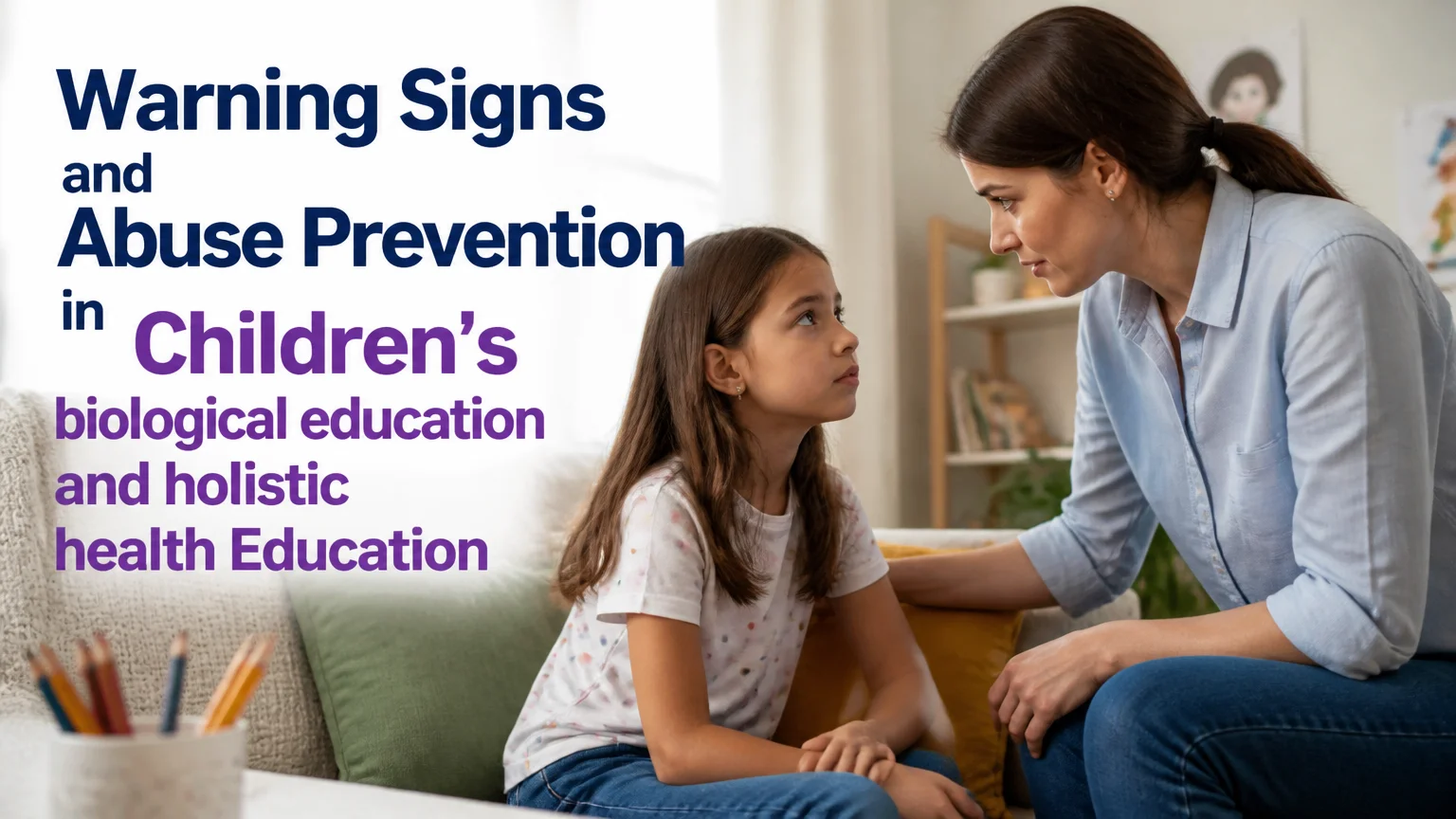
Warning signs and abuse prevention in children’s sex education

onlinecourses55.com For Onlinecourses55 | 2026-11-12
Warning signs and abuse prevention in children’s sex education


Warning signs and abuse prevention in children’s sex education

To help children stay safe through clear, age-appropriate conversations, explore a course on childhood sexual education and learn how to support them with care and confidence.

As a responsible adult in a child’s life, recognizing warning signs and knowing how to prevent abuse is essential. Below is a practical, clear, and compassionate guide to identifying indicators, understanding risk factors, and taking concrete steps at home, at school, and in the community. The goal is to protect, listen, and act thoughtfully, without causing unnecessary alarm but with resolve.

General warning signs

No single sign confirms abuse; it is usually a combination of changes in several areas that raises concern. Some general signs to look out for include:

  • Sudden changes in behavior: withdrawal, sudden fear of certain people or places, or loss of interest in usual activities.
  • Sleep disturbances: frequent nightmares, insomnia, or fear of being alone.
  • Changes in appetite: a significant loss or increase in appetite with no apparent medical cause.
  • School difficulties: declining performance, trouble concentrating, or unexplained absences.
  • Regression in skills: bed-wetting again, thumb-sucking, or behaviors more typical of a younger age.

Emotional and behavioral signs

Emotional reactions can vary widely depending on the child’s age, resilience, and environment. Pay attention to:

  • Ongoing anxiety or panic attacks in situations that used to feel normal.
  • Extreme irritability, crying spells for no apparent reason, or outbursts of anger.
  • Persistent fear of being with a particular adult or going to certain places.
  • Aggressive or self-harming behaviors, or talking about hurting themselves or not wanting to live.

Physical signs and verbal disclosures

Physical indicators may include unexplained injuries, pain or discomfort in intimate areas, recurring infections, or difficulty walking or sitting. If a child makes comments or disclosures that suggest inappropriate contact, take them seriously, even if they are fragmented or confusing.

How to respond to a disclosure

  • Do not interrogate: avoid leading questions and do not pressure the child for details.
  • Listen calmly: use phrases such as "Thank you for trusting me with this" or "I’m glad you told me."
  • Offer reassurance without making promises you cannot keep: "I’m here, and I’m going to help you."

Contexts and risk factors

Abuse can happen in any setting, but some factors increase the risk: inadequate supervision, isolating the child, normalizing inappropriate intimate behaviors, or a lack of clear boundaries. It is also important to consider technology use, as harassment and grooming through social networks and apps are increasingly common.

Prevention at home

The home is the first place of protection. Practical steps that can help prevent abuse include:

  • Teach children the correct names for body parts and explain that no one should touch them in a way that makes them feel uncomfortable.
  • Talk about consent from an early age: explain that they have the right to say "no" and that adults must respect it.
  • Set rules about privacy and respect: keep bathroom and bedroom doors open when children are young, and avoid unsupervised private encounters between adults and children.
  • Create trusted channels: identify safe people they can turn to and establish a safety phrase if needed.
  • Supervise internet and device use: set up parental controls, check contacts, and talk regularly about online interactions.

Prevention at school and in the community

Schools and organizations should implement clear policies and train staff to recognize and prevent abuse. Key actions include:

  • Mandatory training for teachers and staff on child protection protocols and recognizing warning signs.
  • Background checks for all staff and volunteers who work with minors.
  • Open-door policies: avoid one-on-one meetings between an adult and a child without supervision or the possibility of being seen.
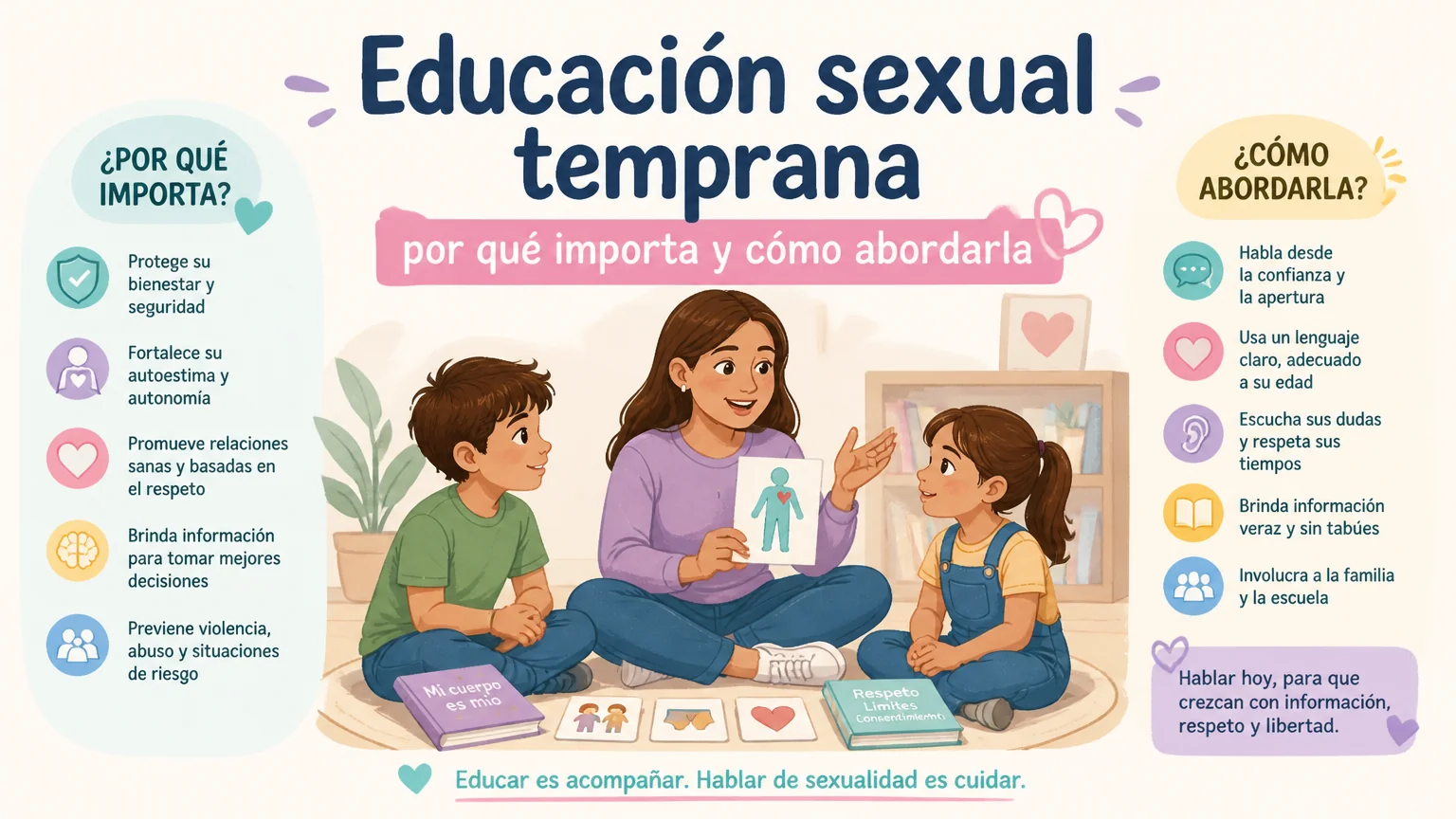
  • Age-appropriate educational programs for children about boundaries, consent, and online safety.

How to talk to children about their bodies and safety

Open communication tailored to the child’s age is the best prevention. Recommendations for these conversations:

  • Use simple, age-appropriate language and avoid confusing euphemisms.
  • Explain that their body belongs to them: no one has the right to touch them in a way that makes them uncomfortable, and they can always say "no."
  • Practice phrases and responses for uncomfortable situations, such as how to ask for help or whom to turn to.
  • Reassure them that they can talk to a trusted adult if something worries them, and that they will not be punished for telling the truth.

What to do if you suspect abuse

Acting quickly and responsibly is crucial. Immediate steps:

  • Protect the child: if there is immediate danger, separate the child from the alleged abuser and ensure their physical safety.
  • Listen without interrogating: let the child explain whatever they want to, without pressing for details or putting pressure on them.
  • Seek medical care if there are physical signs or if the child is injured or at risk of infection.
  • Notify the appropriate authorities and child protection services in accordance with local regulations. Staying silent may put other children at risk.
  • Document: record dates, observed behaviors, and any statements made by the child as accurately as possible, without adding interpretations.
  • Seek professional support for the child and family: specialized psychologists, social services, and support groups.

Emotional support and recovery

Recovery after abuse is often a lengthy process that requires multidisciplinary support. It is essential to provide comfort, understand the stigma the child may feel, and avoid blaming them. Specialized therapy, safe spaces, and stable routines help restore trust and a sense of safety.

Resources and final advice

Preventing and responding to abuse requires collective action. Stay respectfully attentive, encourage open communication, and apply clear protocols in any institution that serves children. If you are unsure how to proceed in a specific situation, consult professionals or local child protection helplines. Your intervention can make a difference.

Become an expert in Education sexual childhood!

Training on sexual education in childhood tailored for teachers and families, composed of 17 topics and 48 hours of study, available for only $12.00

EXPLORE THE COURSE NOW
🎬

Learn with our videos too

Do you prefer learning by watching and listening? Expand your knowledge with these free videos related to this topic.

Hit play and continue learning!
View all videos on this topic

Recent Posts


★