For Onlinecourses55
|
2026-09-06
For Onlinecourses55
|
2026-09-06

Emotional coaching for adolescents strategies for parents - emotional coach
Supporting your teenager through emotional turbulence can be challenging; enlisting a dedicated mentor can significantly enhance their emotional security and resilience.
Adolescence is a time of profound changes: physical, emotional and social. For many parents, accompanying a child through this period can be challenging because emotions intensify and communication sometimes breaks down. Here you will find concrete and practical ideas to strengthen the relationship, help regulate emotions and create an environment where the child can grow with greater emotional security.
Teens who receive consistent emotional support often develop more skills in managing stress, making decisions and relating to others. It is not about solving all the problems for them, but about offering tools, validating feelings and teaching them to identify emotions. This accompaniment contributes to self-esteem and resilience, and reduces the likelihood of risky or isolating behaviors.
Detecting these signs early allows you to intervene calmly and more effectively. Look for patterns rather than isolated episodes; one bad day does not define a trend, but repetition does warrant attention.
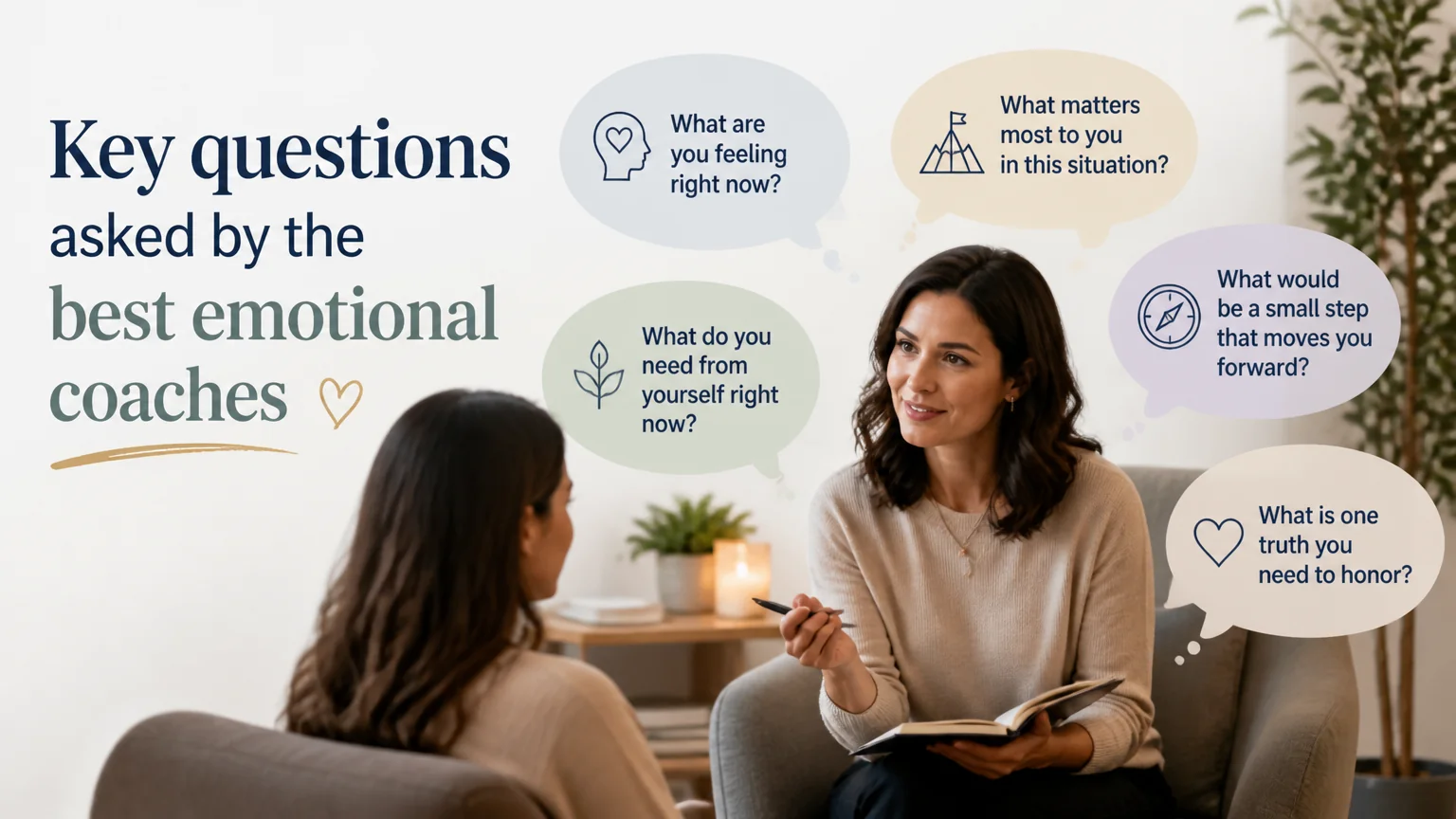
When a teenager opens up, the most valuable thing you can offer is listening without interruptions or immediate corrections. Practice open-ended questions-"What's bothering you now?" or "How did that make you feel?" Avoid minimizing ("It's no big deal") or comparing to your own adolescence; every generation and every person experiences different circumstances.
Saying things like "I understand you're frustrated" or "It makes sense that you're sad about that" doesn't solve the problem, but it does reduce the feeling of being alone in the face of emotions. Validation does not mean agreeing with harmful behaviors, but acknowledging the internal state and going along with it.
Young people often experience intense feelings without knowing how to name them. Providing an emotional vocabulary - anger, shame, guilt, anxiety, relief - helps them identify and communicate what they are feeling, the first step in regulating it. You can use phrases like "there seems to be a lot of anxiety right now" to model that language.
Propose practical tools for managing emotions: deep breathing, 5-minute breaks, walking, writing in a journal, or talking to a trusted friend. Teaching brief techniques and repeating them until they become automatic is more helpful than long conversations one day and nothing the next.
Create routines that facilitate dialogue: a screen-free dinner, short walks, or a weekly time to talk. Regularity reduces tension and prevents urgent conversations from turning into confrontations.
Speak clearly about expectations and consequences, but involve the teen in setting rules. When rules are negotiated, there is more shared responsibility and less resistance. Agreements should also include how to ask for help when emotions run high.
A central goal is for the young person to learn to identify, accept and manage his or her emotions independently. This is achieved by offering age-appropriate responsibilities, allowing for mistakes and turning difficulties into learning opportunities. Avoid overprotecting: always solving for them prevents the development of regulatory skills.
If signs of distress persist or worsen, if there is a risk of self-harm, substance use or extreme isolation, it is time to consult a professional. A psychologist or therapist specializing in young people can offer structured interventions and support both the adolescent and the family in new strategies. Seeking help is not a sign of parental failure, but a responsible decision.
Parents who feel exhausted or overwhelmed transmit stress. It is critical that the adult also have support networks, time to rest and space to process their emotions. Asking for help, sharing experiences with other parents and maintaining healthy boundaries improves the quality of the companionship we offer our children.
Applying these guidelines with patience and consistency builds an environment in which the adolescent feels seen and supported. The process is not linear: there will be advances and setbacks, but the empathic presence and concrete tools make a big difference in their emotional growth.
Search
Popular searches