For Onlinecourses55
|
2026-10-20
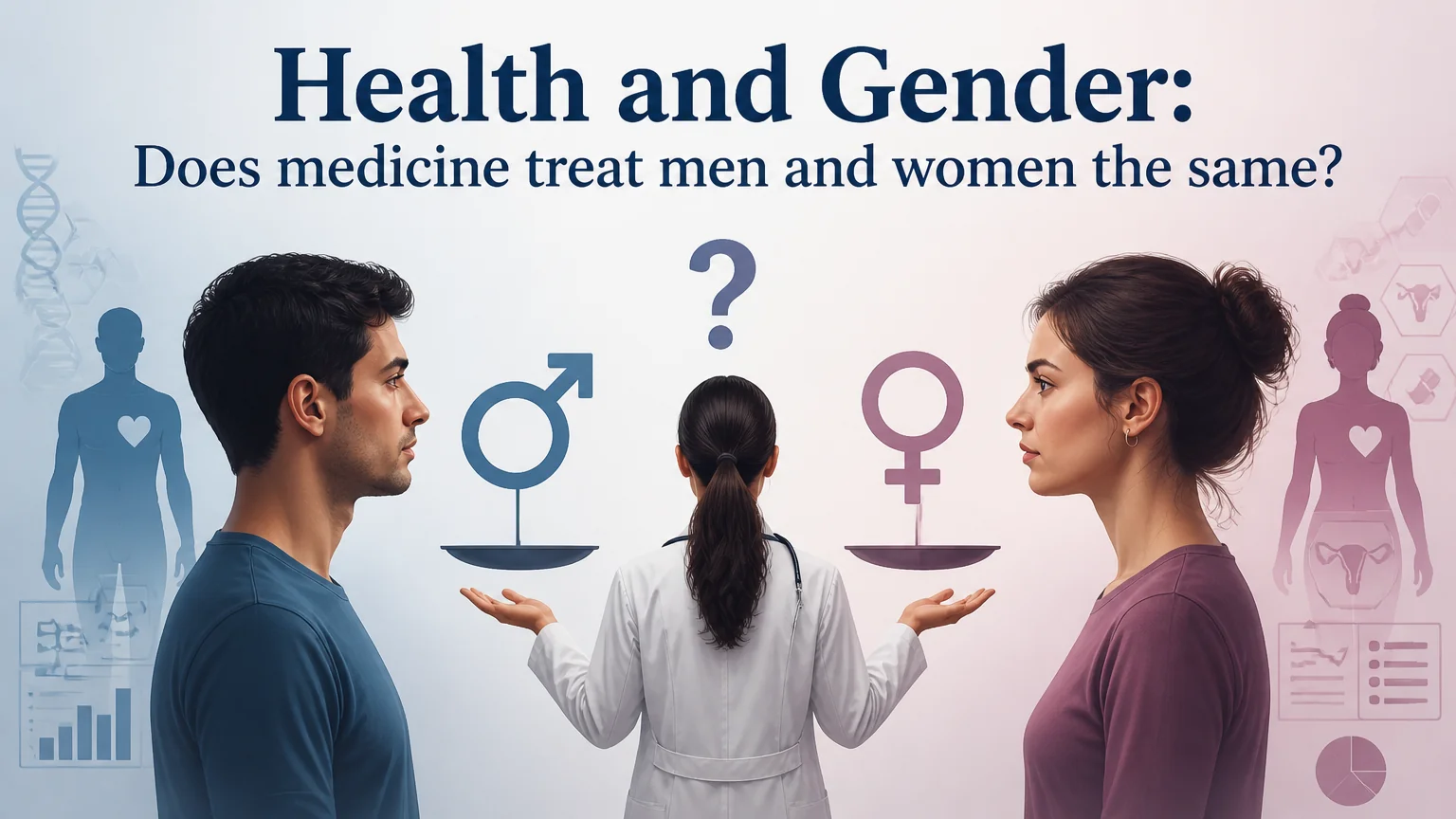
Health and gender: does medicine treat men and women the same? - gender equality
Investigate how gender disparities in health emerge from bias and why you should consider integrating inclusive practices to improve health outcomes for everyone.
Gender equality is a fundamental principle that permeates various facets of society, from education to the workplace. However, what happens in the field of health? Does medicine address the needs of men and women equally, or are there biases that influence the diagnosis, treatment and prevention of diseases? This article explores the intersection between coeducation, health and gender, analyzing the need for a more inclusive and equitable perspective in medical practice.
Historically, medical research has tended to focus on men, assuming that results can be generalized to women. This practice has led to an incomplete understanding of how diseases manifest differently based on sex and gender. Female physiology, hormones and sociocultural factors can significantly influence women's health.
For example, cardiovascular diseases have traditionally been considered a male problem. However, women also suffer heart attacks, often with atypical symptoms that make early diagnosis difficult. The lack of research specifically on heart disease in women has contributed to a higher mortality rate in this group.
In addition, drug clinical trials often exclude pregnant women or those of childbearing age for fear of adverse effects on the fetus. This leaves a gap in knowledge about the safety and efficacy of medications in women, forcing physicians to make decisions based on limited data.
Coeducation, understood as education that promotes equal opportunities between boys and girls, is crucial to dismantling gender stereotypes that perpetuate health inequalities. From childhood, people should be educated about the biological differences between men and women, as well as the social and cultural factors that influence health.
A gender-sensitive medicine involves considering the biological, social and cultural differences between men and women when diagnosing and treating diseases. This requires health professionals to be trained to recognize gender biases and adapt their clinical practices to the specific needs of each patient.
Some examples of how a gender perspective can improve medical care include:
Technology has the potential to transform healthcare and reduce the gender gap in health. Mobile apps, wearable devices and telemedicine can provide women with access to information, support and personalized medical care.
For example, menstrual tracking apps can help women monitor their cycle and detect potential health problems. Telemedicine can facilitate access to medical care for women who live in rural areas or have difficulty traveling to a medical center.
Furthermore, artificial intelligence (AI) can be used to analyze large datasets and identify patterns that can help improve the diagnosis and treatment of diseases specific to women.
Search
Popular searches