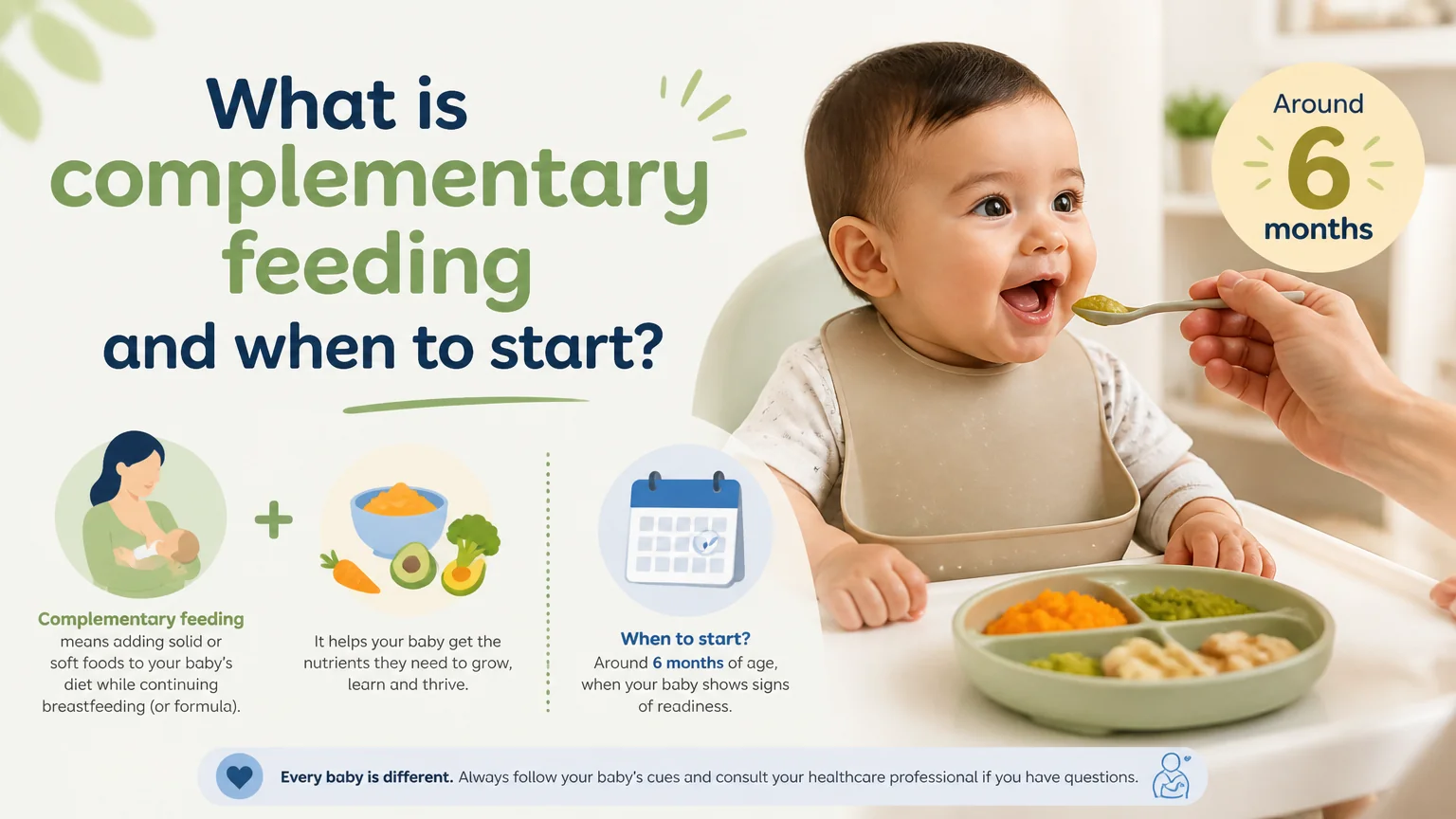
Introduction to Child Nutrition: Essential Fundamentals
Plan balanced diets for babies and children, support breastfeeding, build healthy eating habits, and help prevent anemia, obesity, and growth disorders.
Watch Video For Onlinecourses55
|
2026-11-11
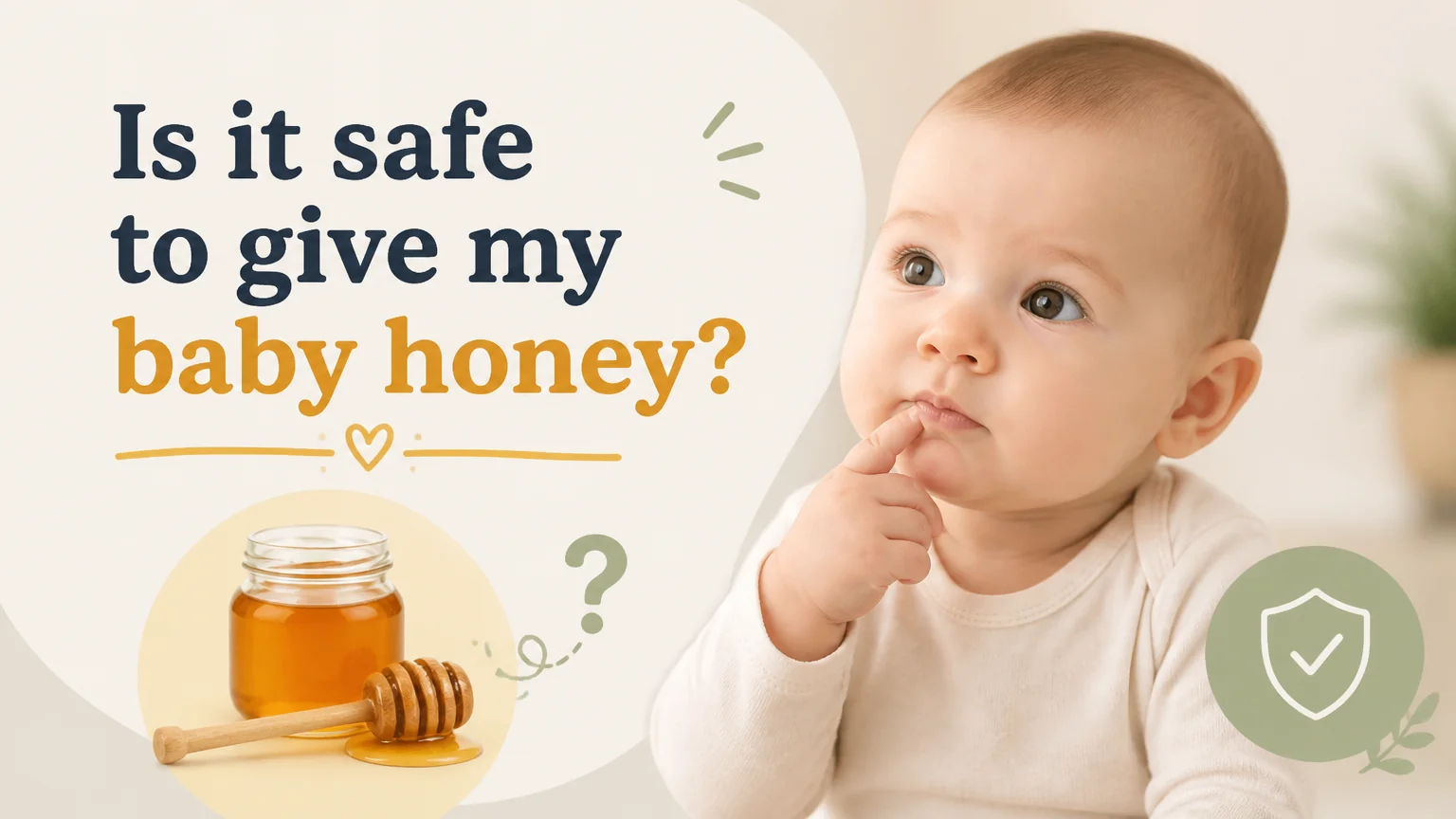
Is it safe to give my baby honey?
Curious about honey and your little ones? There's much to uncover! Start your educational journey with a focused course on child nutrition that reveals the details.
Hello, moms and dads! Surely you've wondered if honey, that rich golden nectar, is a good idea for your little ones. The short answer: NO, at least not before their first birthday! But why? Let's unravel this mystery together.
Honey is much more than a simple sweetener. It is a natural product, made by bees from the nectar of flowers. Imagine those little workers flying from flower to flower, collecting that sweet treasure and transforming it into something even more special. Since time immemorial, honey has been valued for its flavor, its properties, and its versatility. Ancient Egyptians even used it as medicine!
For us adults, honey has some interesting advantages. It is attributed with antibacterial, antioxidant, and even soothing properties for coughs. Feeling a bit under the weather? Tea with honey and lemon can be your best ally. Furthermore, it is a natural sweetener, a healthier alternative to refined sugar.
But beware! What is good for us is not always good for our babies. This is where infant botulism comes in, a name that sounds a little scary, right?
Infant botulism is a rare but serious illness that affects babies under one year of age. It is caused by the spores of a bacterium called *Clostridium botulinum*. These spores, present in soil and sometimes in honey, can germinate in the baby's intestine and produce a toxin that attacks the nervous system.
Symptoms of infant botulism can include:
If you observe any of these symptoms in your baby, run to the doctor immediately! Infant botulism can be treated, but early diagnosis is crucial.
Here is the key: the digestive system of a baby under one year old is not fully developed. Their intestinal flora, that community of "good" bacteria that help us digest food and protect us from infections, is not yet strong enough to fight the *Clostridium botulinum* spores.
These spores are very resistant and can survive in the environment for a long time. Even pasteurized honey can contain them. For us adults, these spores do not represent a problem, since our digestive system is capable of neutralizing them. But for a baby, it's a different story.
Furthermore, a baby's immune system is still learning to defend itself. It's like an army in training, which needs time to develop its skills and strategies. Therefore, a baby is more vulnerable to the toxins produced by *Clostridium botulinum*.
The good news is that after the first year, things change! Your baby's digestive system has matured enough to protect itself from the *Clostridium botulinum* spores. Their intestinal flora is more established and their immune system is stronger.
So, congratulations! From now on, you can give your little one small amounts of honey from time to time, as a sweet treat. But remember, in moderation!
Don't panic. If you accidentally gave your baby a small amount of honey before their first birthday, don't freak out.
However, it is important that you observe your baby closely for the next few days and watch for any signs or symptoms. If you notice anything unusual, such as constipation, weakness, or difficulty sucking, consult your doctor immediately.
Although honey is safe for children over one year old, there are still some precautions you should keep in mind:
Although not very common, some children may be allergic to honey. If it is the first time you give honey to your child, start with a small amount and observe if they present any allergic reaction, such as a rash, hives, swelling, or difficulty breathing. If you notice any of these symptoms, stop the consumption of honey and consult your doctor.
Honey is a natural sweetener, but it is still a sugar. Excessive consumption of sugar can contribute to health problems such as obesity, tooth decay, and diabetes. Therefore, it is important to offer honey to your child in moderation.
Do you want to add a sweet touch to your baby's food without resorting to honey? No problem! Here are some safe and delicious alternatives:
Fruits are naturally sweet and full of vitamins and minerals. You can make homemade fruit purées with apples, pears, bananas, mangoes, etc. Your baby will love them!
There are other natural sweeteners, such as stevia, that may be an option for sweetening your baby's food. However, it is important to consult with your pediatrician before introducing any new sweetener into their diet. Some sweeteners may not be suitable for babies.
In short, honey is a delicious gift from nature that we can enjoy, but we must wait until our baby turns one year old to offer it. Before that age, the risk of infant botulism is too high. Better safe than sorry! And remember, you can always resort to safe and delicious alternatives to sweeten your baby's life.
What should I do if I suspect my baby has infant botulism?: If you suspect your baby has infant botulism, seek immediate medical attention. Early diagnosis and treatment are crucial for a complete recovery.
Is pasteurized honey safe for babies?: No. Although pasteurization helps eliminate certain bacteria, it does not eliminate the spores of *Clostridium botulinum*, which are the cause of infant botulism.
Can I use honey on my baby's skin to treat diaper rash?: Although honey has antibacterial properties and can be useful for treating wounds in adults, it is not recommended to use honey on the skin of babies under one year old due to the risk of infant botulism if accidentally ingested. Also, some babies may be allergic to honey.
Are there other sources of infant botulism besides honey?: Yes, although honey is the most common source, *Clostridium botulinum* spores can also be found in soil and in some improperly processed foods. It is important to wash fruits and vegetables well and follow food safety guidelines.
When can I introduce other sweet foods into my baby's diet?: It is best to delay the introduction of sweet foods into your baby's diet until after their first birthday. Prioritize nutritious foods like fruits, vegetables, and whole grains. Consult with your pediatrician for specific recommendations on introducing foods into your baby's diet.
Do you prefer learning by watching and listening? Expand your knowledge with these free videos related to this topic.
Plan balanced diets for babies and children, support breastfeeding, build healthy eating habits, and help prevent anemia, obesity, and growth disorders.
Watch VideoLearn the difference between diet and nutrition, what foods and nutrients are, macro and micronutrients, and key tips for healthy eating in childhood.
Watch VideoLearn how carbohydrates, protein, and fats provide energy, how many calories each gram supplies, and why complex carbs and fiber support better health.
Watch VideoSearch
Popular searches