For Onlinecourses55
|
2026-07-23
For Onlinecourses55
|
2026-07-23

Essential vegan ingredients - nutrition vegetarian
Ready to create mouth-watering vegan dishes? Start by gathering essential ingredients! Enhance your skills with a course on delicious vegetarian cooking that proves it's simple to embrace this lifestyle.
Hello to all future vegan chefs! Are you ready to dive into the fascinating world of plant-based cooking? If the answer is yes, you've come to the right place! In this article, we are going to break down the essential vegan ingredients you need to have in your pantry to create delicious, nutritious, and, most importantly, 100% vegan dishes!
You're probably asking yourself: ""Why do I need a list of *essential* ingredients? Can't I just eat whatever I crave?"". Of course, you can! But having a solid foundation of key ingredients will make your life much easier, save you time, and ensure you are getting all the nutrients you need.
A well-planned vegan diet is incredibly beneficial for your health and the planet. But, like any diet, it requires attention and care. Ensuring you have the right ingredients will allow you to create balanced and delicious meals that will keep you full of energy and vitality.
It's not just a trend. Vegan ingredients offer a wealth of health benefits. From reducing the risk of heart disease to improving digestion, a plant-rich diet can transform your life. Plus, it is much more sustainable for the environment! Isn't it great to help the planet while eating delicious food?
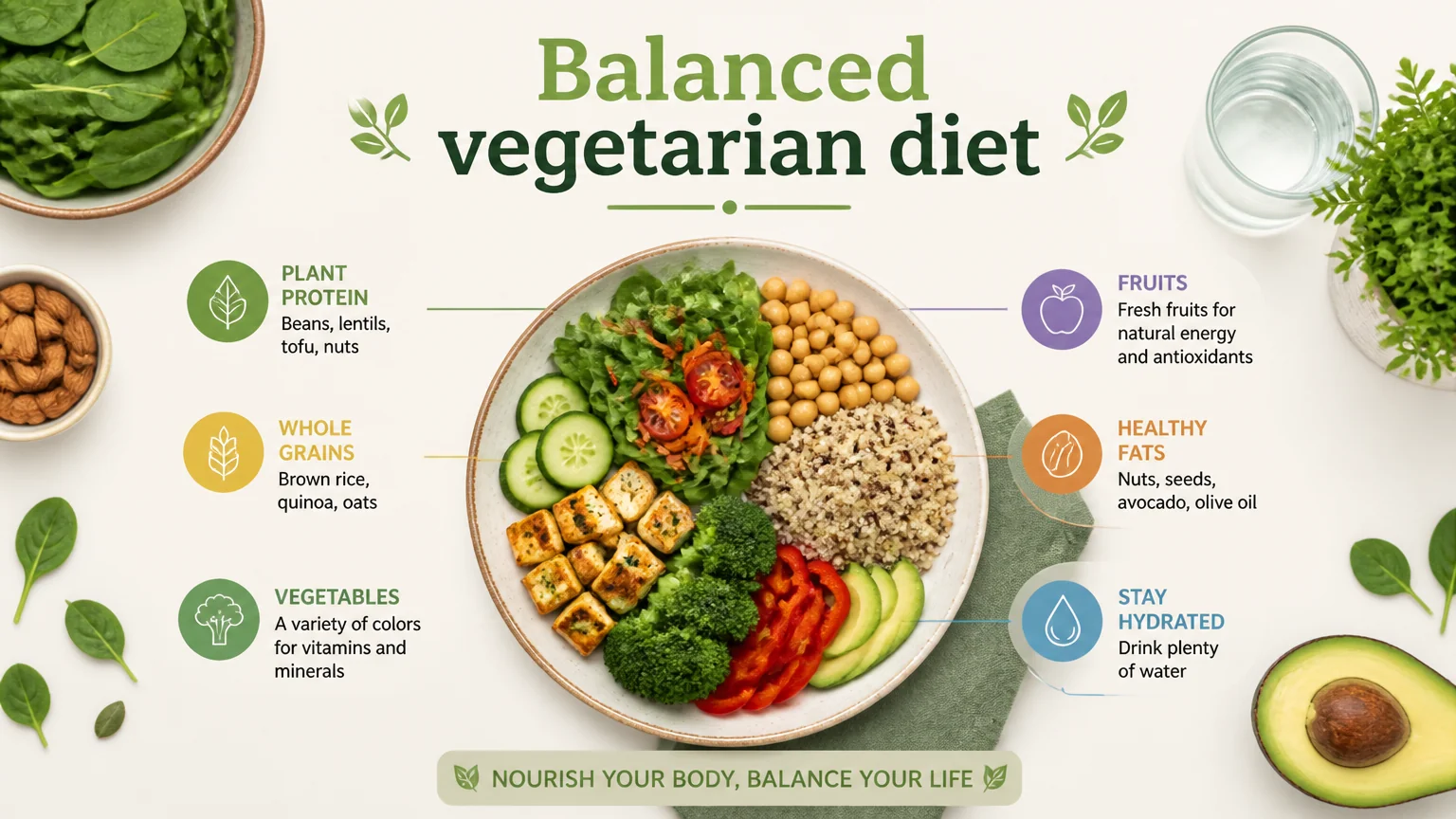
Think of grains and legumes as the foundation of a house. They are the cornerstones of your vegan diet, providing you with essential energy, fiber, and protein.
Brown rice and quinoa are complex carbohydrates that give you sustained energy throughout the day. They are versatile, easy to cook, and can be used in countless dishes, from salads to stews. Did you know that quinoa is a complete protein? A total superfood!
Legumes are an incredibly important source of protein for vegans. They are inexpensive, rich in fiber, and packed with nutrients. A handful of lentils can keep you full and satisfied for hours!
Who doesn't love fruits and vegetables? They are delicious, refreshing, and packed with vitamins, minerals, and antioxidants. Think of your plate as a canvas and fruits and vegetables as the colors. The more colorful, the more nutritious!
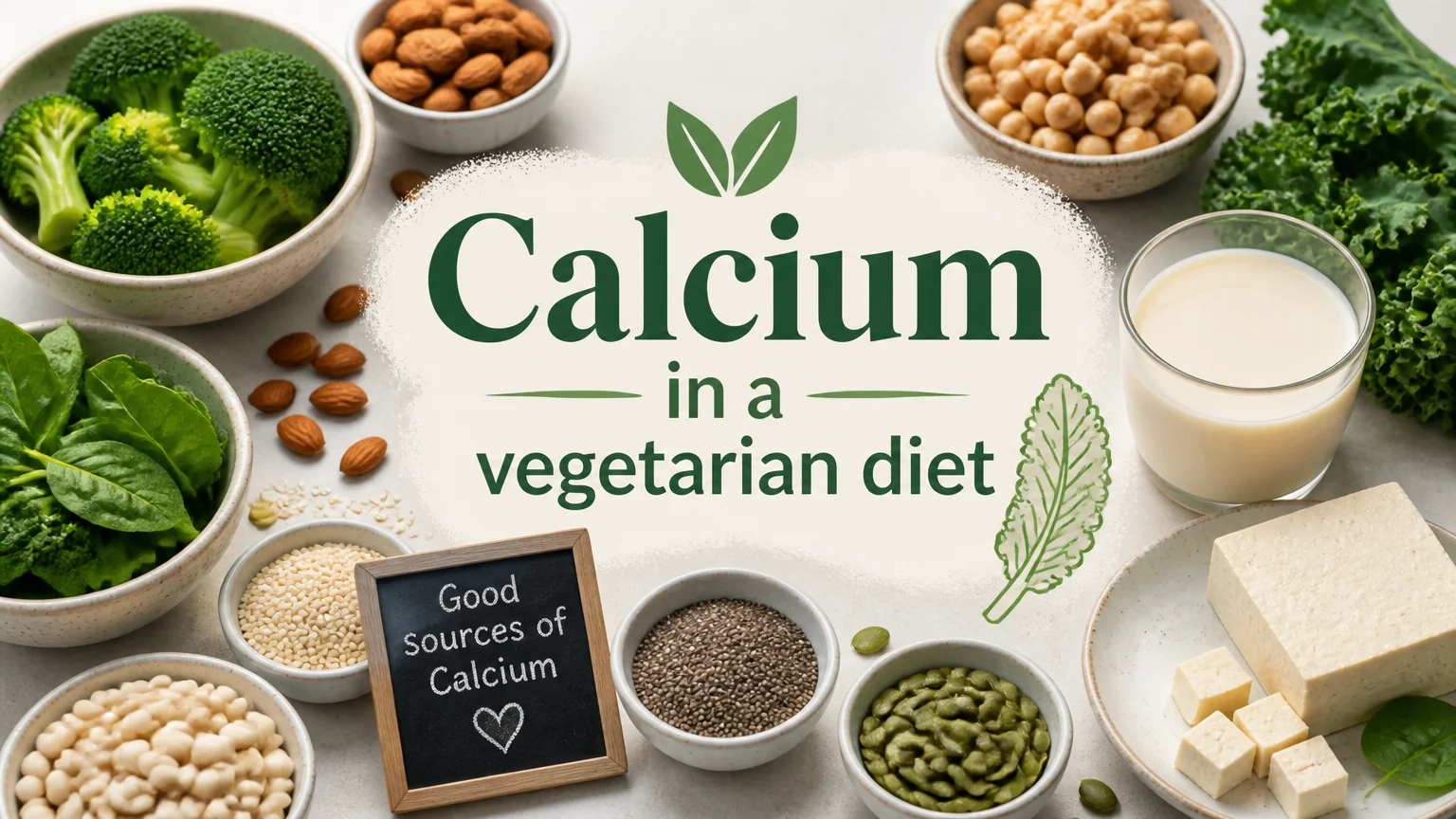
Green leaves are essential for a healthy vegan diet. They are rich in vitamins A, C, and K, as well as iron and calcium. One green smoothie a day can do wonders for your health!
Berries (strawberries, blueberries, raspberries) and citrus fruits (oranges, lemons, grapefruits) are incredible sources of antioxidants. These compounds help protect your body against cell damage and strengthen your immune system. A handful of berries for breakfast or a glass of fresh orange juice will give you a boost of energy and vitality!
Many people fear fats, but healthy fats are essential for a balanced vegan diet! They help absorb nutrients, maintain healthy skin, and regulate hormones.
Avocado is a marvel of nature. It is creamy, delicious, and packed with healthy monounsaturated fats. Use it on toast, in salads, sauces, and smoothies! Who doesn't like avocado?
Nuts (almonds, walnuts, hazelnuts) and seeds (chia, flax, pumpkin) are excellent sources of healthy fats, protein, and fiber. A handful of nuts as a snack or seeds sprinkled over your salad will give you a boost of energy and nutrients!
While a well-planned vegan diet can provide most of the nutrients you need, some supplements can be beneficial, especially vitamin B12.
Vitamin B12 is crucial for nervous system health and red blood cell production. Since it is not naturally found in plant foods, it is important for vegans to take a Vitamin B12 supplement or consume B12-fortified foods.
Now comes the fun part! Let's see how you can use these essential vegan ingredients to create delicious and nutritious dishes.
A quick, easy, and energy-packed breakfast. Simply mash avocado onto whole-wheat toast and sprinkle with chia seeds!
A colorful and nutritious salad that will keep you full and satisfied. Roast your favorite vegetables (peppers, zucchini, onion) and mix them with cooked quinoa, fresh herbs, and a light dressing.
A comforting and flavorful dish perfect for a cold night. Sauté onion, garlic, and spices (cumin, cilantro, turmeric) and then add lentils, crushed tomato, and vegetable broth. Simmer until the lentils are tender.
And there you have it! Your complete guide to essential vegan ingredients. Now go and create magic in the kitchen!
We encourage you to try new recipes, experiment with flavors, and discover how incredibly delicious and nutritious vegan cuisine can be! You will be surprised by the number of options and how great you will feel!
Search
Popular searches