For Onlinecourses55
|
2026-09-10
For Onlinecourses55
|
2026-09-10
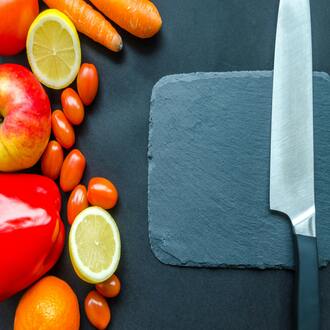
Healthy vegan diet - nutrition vegetarian
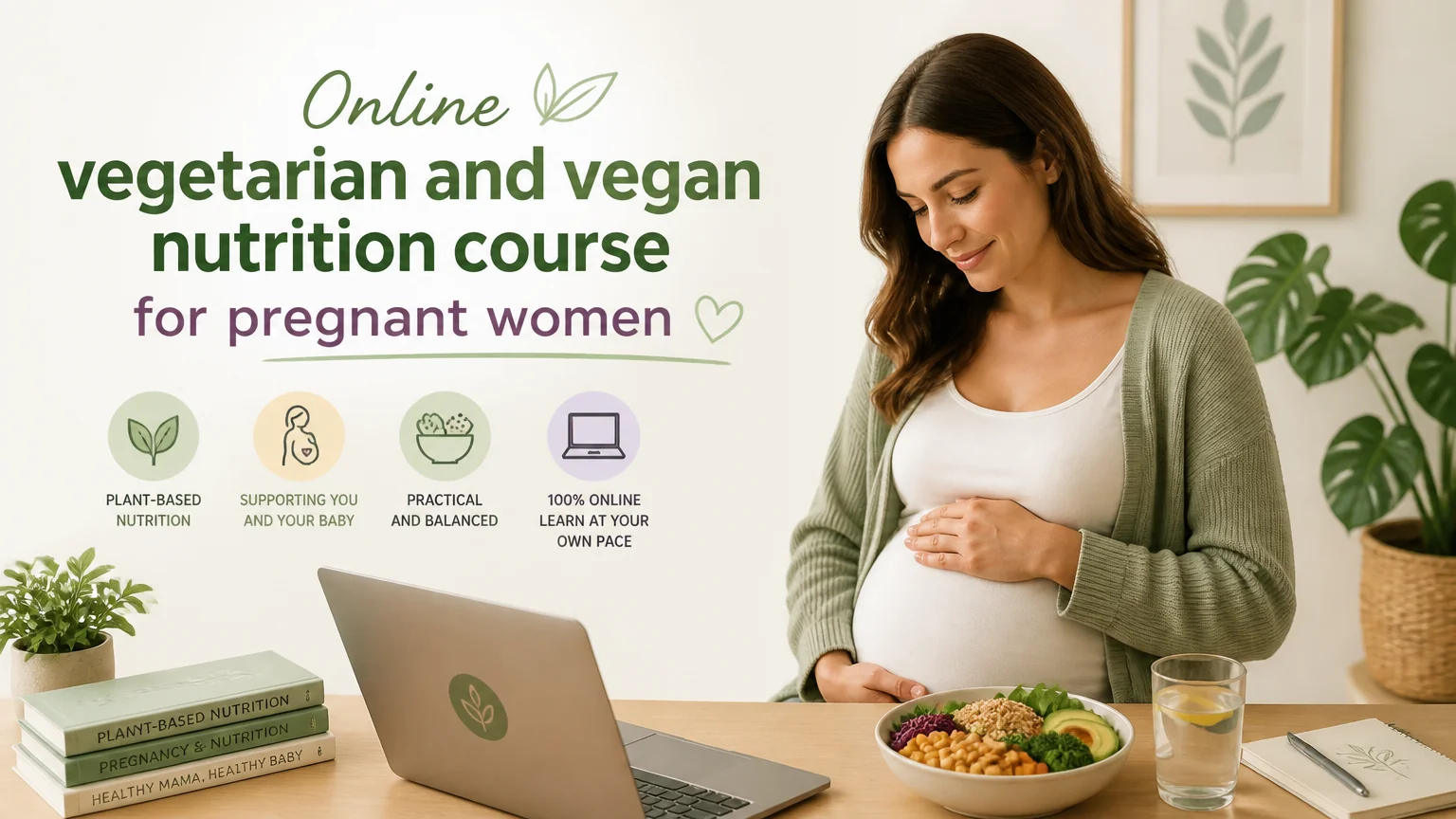
If you're curious about maintaining a balanced and nutritious plant-based lifestyle, check out this fantastic course on vegetarian nutrition that will equip you with essential skills and knowledge to thrive.
Hello everyone! Have you ever wondered if a vegan diet can truly be healthy and sustainable long-term? Well, you are in the right place! In this comprehensive guide, we are going to demystify the vegan diet, explore its benefits, and give you all the necessary tools to maintain a balanced and delicious vegan diet. Get ready to discover a world of culinary possibilities and a more conscious and healthy lifestyle.
Before diving into the details, let's define what we mean by a "vegan diet." In essence, veganism is a lifestyle that excludes all products of animal origin. This means avoiding not only meat, fish, and chicken, but also dairy, eggs, honey, and, in many cases, other animal-derived products like leather and wool. The vegan diet focuses on plant-based foods: fruits, vegetables, legumes, whole grains, nuts, and seeds. It's not just a diet; it is a philosophy that seeks to minimize animal suffering and promote a more sustainable lifestyle.
When planned correctly, a vegan diet can offer a wide range of health benefits. It's not just about avoiding certain foods, but about nourishing the body with healthy, nutrient-packed ingredients. Let's look at some of the most prominent benefits!
Vegan diets are typically low in saturated fats and cholesterol, which can help reduce the risk of heart disease. Furthermore, the high consumption of fiber found in fruits, vegetables, and legumes helps maintain healthy blood cholesterol levels. Who knew eating more plants could protect your heart?
Many people find that a vegan diet helps them maintain a healthy weight. This is partly due to the high fiber content of plant foods, which promotes satiety and helps regulate blood sugar levels. Goodbye to glucose spikes and uncontrollable cravings!
Studies suggest that diets rich in fruits and vegetables may be associated with a lower risk of certain types of cancer. Antioxidants and phytochemicals present in plant foods play an important role in protecting our cells. More colors on your plate, less risk of disease!
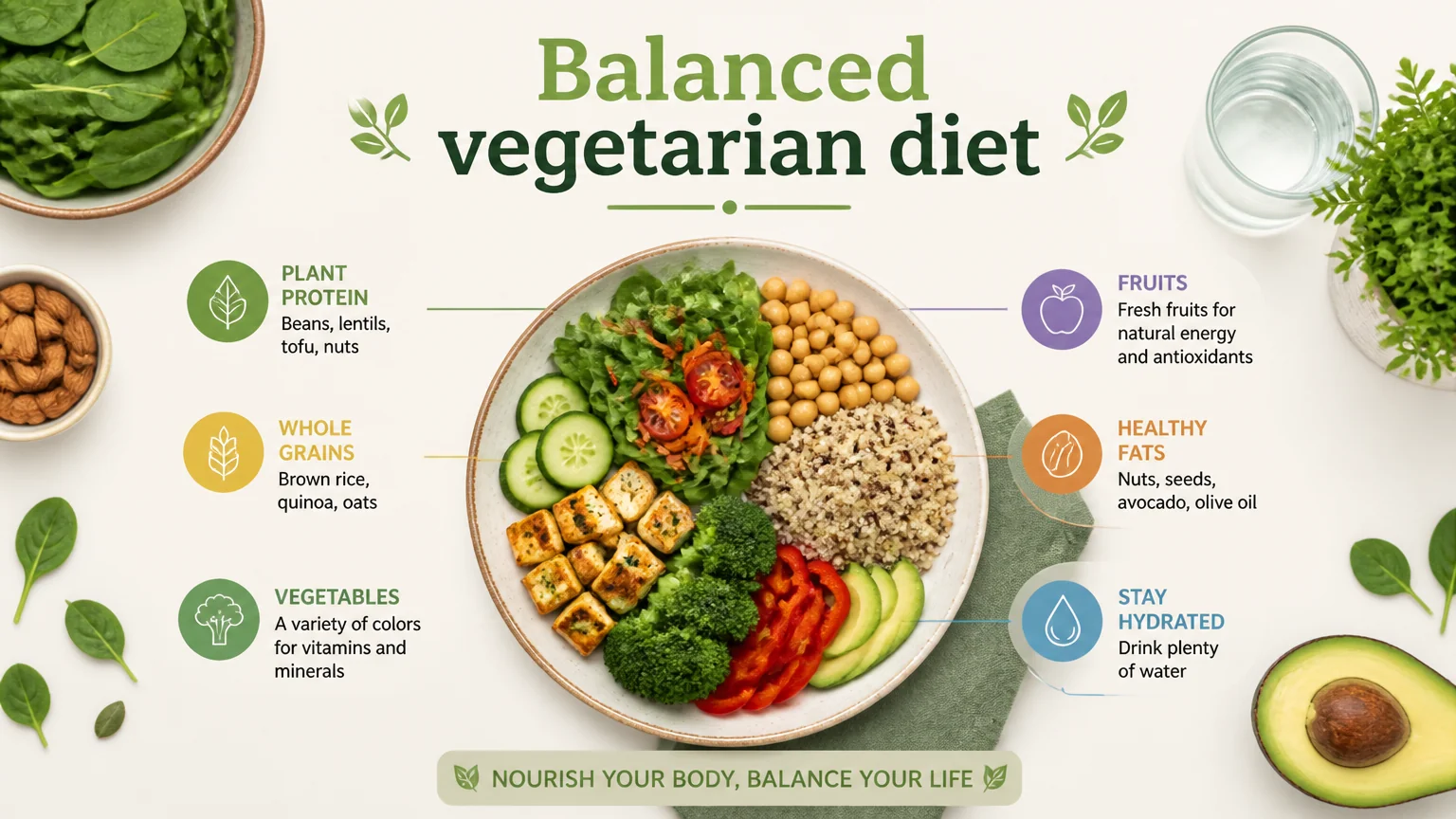
Now that you know the benefits, let's talk about the foods that should be pillars in your vegan diet. Don't worry, it's not just about lettuce! There is a world of delicious and nutritious options available to you.
The legumes: (beans, lentils, chickpeas, peas) are an excellent source of protein, fiber, iron, and other essential nutrients. They are versatile, affordable, and easy to incorporate into your meals. Need ideas? Try a lentil curry, a chickpea salad, or some black bean tacos.
Choose whole grains: like brown rice, quinoa, oats, and whole-wheat bread instead of refined options. Whole grains provide you with long-lasting energy, fiber, and B-group vitamins. Forget that mid-afternoon energy crash!
The more color, the better! Include a wide variety of fruits and vegetables in your diet to ensure you get all the vitamins and minerals you need. From spinach to berries, passing through squash and peppers, the rainbow is on your plate!
Nuts: (almonds, walnuts, hazelnuts) and seeds: (chia, flax, pumpkin) are an excellent source of healthy fats, protein, fiber, and minerals like zinc and magnesium. A handful a day can make a difference!
Make sure you get enough omega-3: found in flax and chia seeds, walnuts, and seaweeds. These fatty acids are important for brain and cardiovascular health. Small seeds, big benefits!
Planning: is key to a successful vegan diet. You don't have to overcomplicate things—you just need a few ideas and a little organization!
Start the day with a bowl of oatmeal with fruit and nuts, a green smoothie with spinach and banana, or avocado toast with tomato. The options are endless!
Prepare a quinoa salad with roasted vegetables, a hummus and vegetable sandwich, or a lentil soup with whole-wheat bread. Lunches packed with flavor and nutrients!
Enjoy a vegetable curry with basmati rice, an eggplant lasagna with tofu, or some baked cauliflower tacos with avocado sauce. Dinners that will make you forget you miss meat!
In some cases: it may be necessary to resort to supplements to ensure optimal nutrition. Don't worry, it's nothing out of the ordinary!
Vitamin B12: is essential for nerve function and red blood cell production. Since it is not naturally found in plant-based foods, it is important to supplement or consume B12-fortified foods.
Vitamin D: is important for bone health and immune function. You can get it through sun exposure, but many people need to supplement, especially in winter.
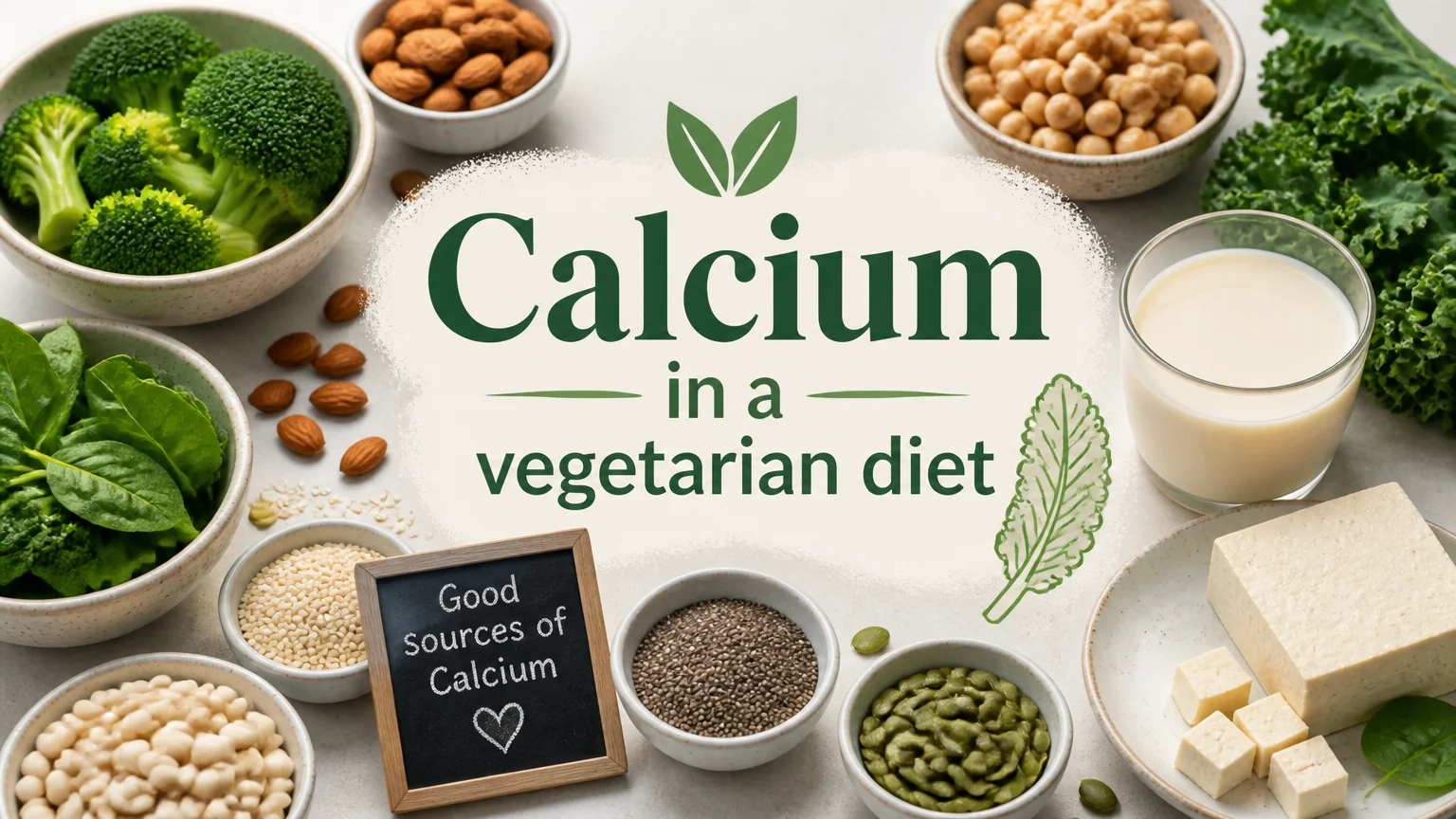
Iron and calcium: are found in plant foods, but their absorption can be improved by combining them with Vitamin C (iron) and consuming foods rich in Vitamin D (calcium).
Avoiding these common mistakes: will help you optimize your health and well-being.
Don't limit yourself: to eating fries and vegan burgers. Prioritize whole and fresh foods.
Don't get stuck: on the same meals. Explore new recipes and ingredients.
Make sure: you get enough protein, iron, calcium, vitamin B12, and omega-3.
Absolutely: Many elite athletes are vegan and perform at their peak.
Make sure: you consume enough calories and protein, and consider supplementing with creatine if you participate in strength sports.
The healthy vegan diet is much more than a passing fad; it is a lifestyle that can offer numerous benefits for health, the environment, and animals. With proper planning and a little creativity, you can enjoy a delicious, nutritious, and sustainable vegan diet long-term. Dare to explore the vegan world and discover everything it has to offer!
Is it difficult to get enough protein on a vegan diet?: No, as long as you include a variety of legumes, whole grains, nuts, and seeds in your diet.
Do I need to take supplements if I am vegan?: Vitamin B12 is essential, and Vitamin D may be necessary, especially in winter. Consult a healthcare professional to determine your individual needs.
Is it expensive to be vegan?: Not necessarily. Legumes, whole grains, and seasonal fruits and vegetables are affordable options.
What should I do if I crave meat or dairy?: Experiment with vegan alternatives such as tofu, tempeh, seitan, almond milk, and vegan cheese. There are many delicious options available!
Can I follow a vegan diet if I have a medical condition?: Consult your doctor or a registered dietitian to ensure your vegan diet is appropriate for your individual needs. It is always better to be safe than sorry!
Search
Popular searches