An Introduction to Nutrition in the Nutrition Course
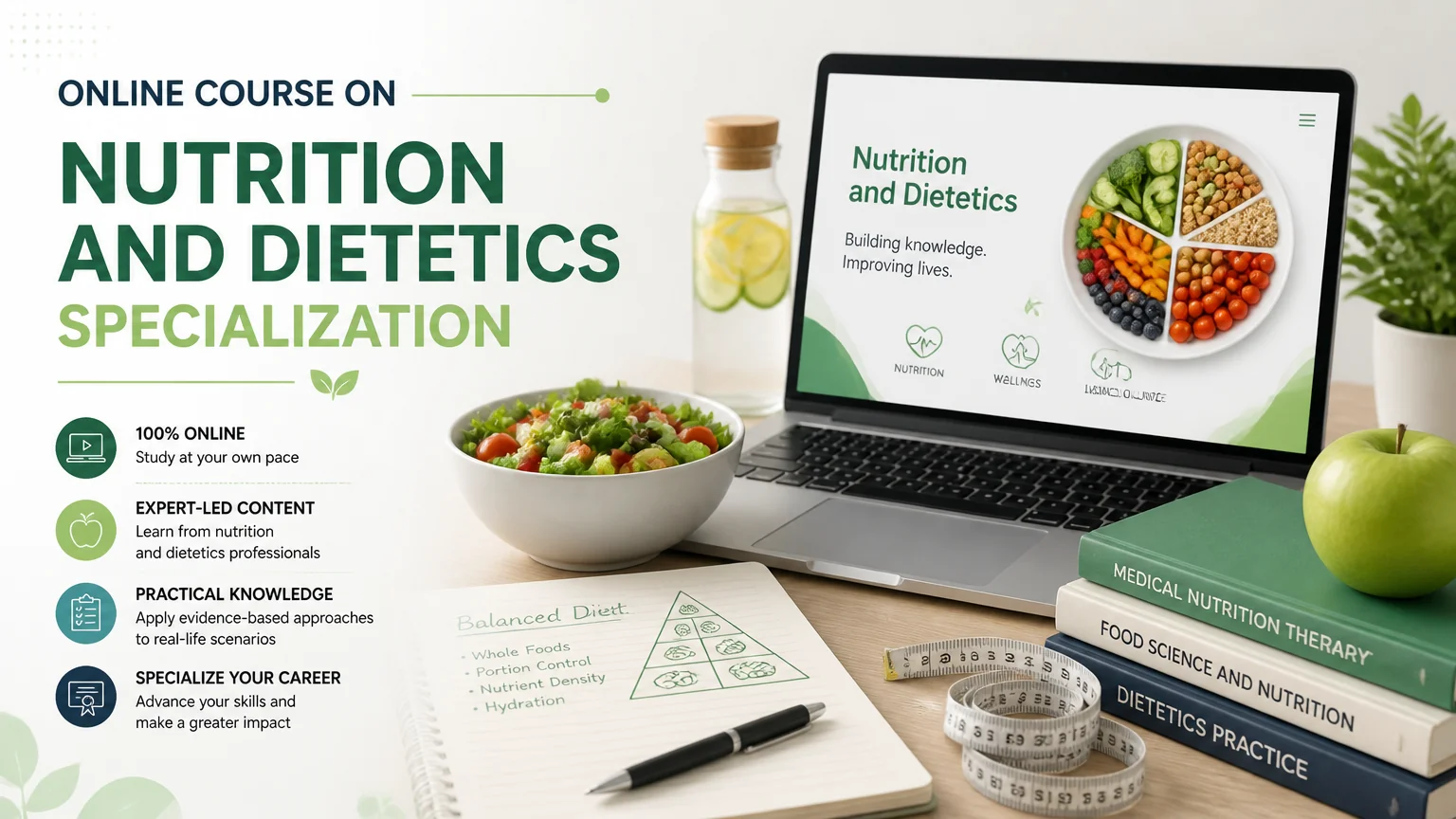
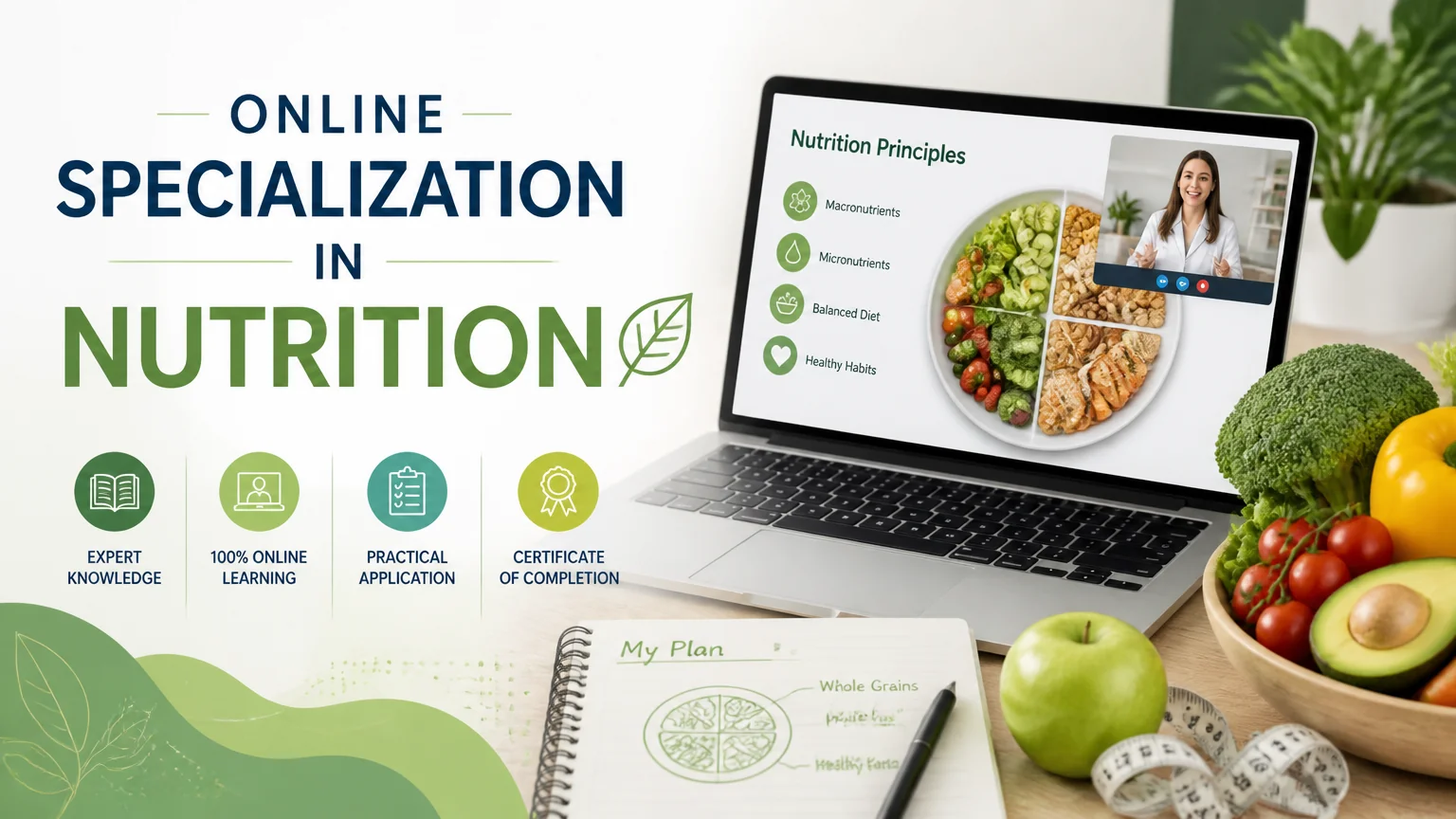
Learn to design balanced, nutritious, tasty diets by life stage, read nutrition labels, plan for weight loss and exercise, and help prevent common diseases.
Watch Video For Onlinecourses55
|
2026-11-13
Human nutrition and dietetics online
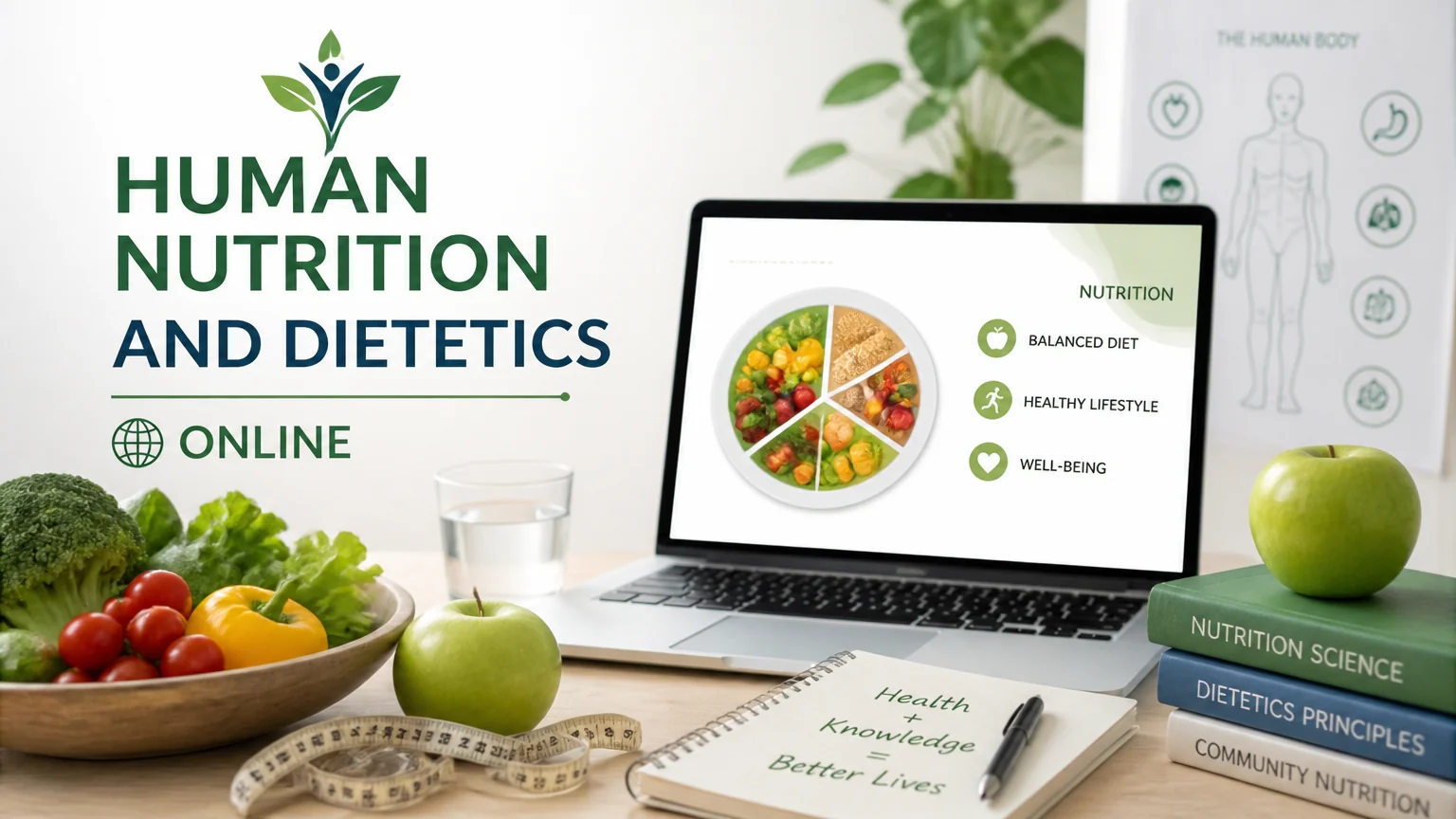
Embark on your journey into the field of human nutrition with confidence; a comprehensive online course can guide you through the essential concepts for better health.
Have you ever wondered what you are really eating? Or how food affects your health and wellbeing? If the answer is yes, then human nutrition and dietetics might be your calling. And the best part is that you can study it online! In this article, we will guide you through the fascinating world of online nutrition, showing you why it could be the best decision for your future.
In an increasingly connected world, online education has become an appealing option for many. But why choose human nutrition and dietetics online specifically? Well, here are some compelling reasons:
Modern life is hectic. Work, family, social commitments... Sometimes it seems impossible to find time to study. Online nutrition offers you the flexibility to study whenever and wherever you want. Are you more productive in the morning? Study before sunrise. Do you prefer quiet evenings? Take advantage of those hours. You decide your schedule, and that is a great relief. Goodbye to mandatory 8 AM classes!
Imagine having access to professors and resources from universities all over the world, without leaving your home! Online programs connect you with nutrition experts from different countries, allowing you to learn about the latest research and trends. You can access scientific articles, webinars, and discussion forums with top-tier professionals. It's like having a gigantic library and a team of mentors at your disposal!
Higher education can be expensive. Tuition, accommodation, transportation... expenses accumulate quickly. Online nutrition is usually more affordable than traditional programs, as it eliminates many of these additional costs. Furthermore, you save time and money on commuting, allowing you to invest more in your studies and your future. Think of all the coffee you'll save by not having to go to university... Just kidding! (or maybe not).
An online nutrition program will provide you with a solid foundation in the scientific principles of nutrition and equip you with the necessary skills to apply that knowledge in the real world. But what specific topics will you cover?
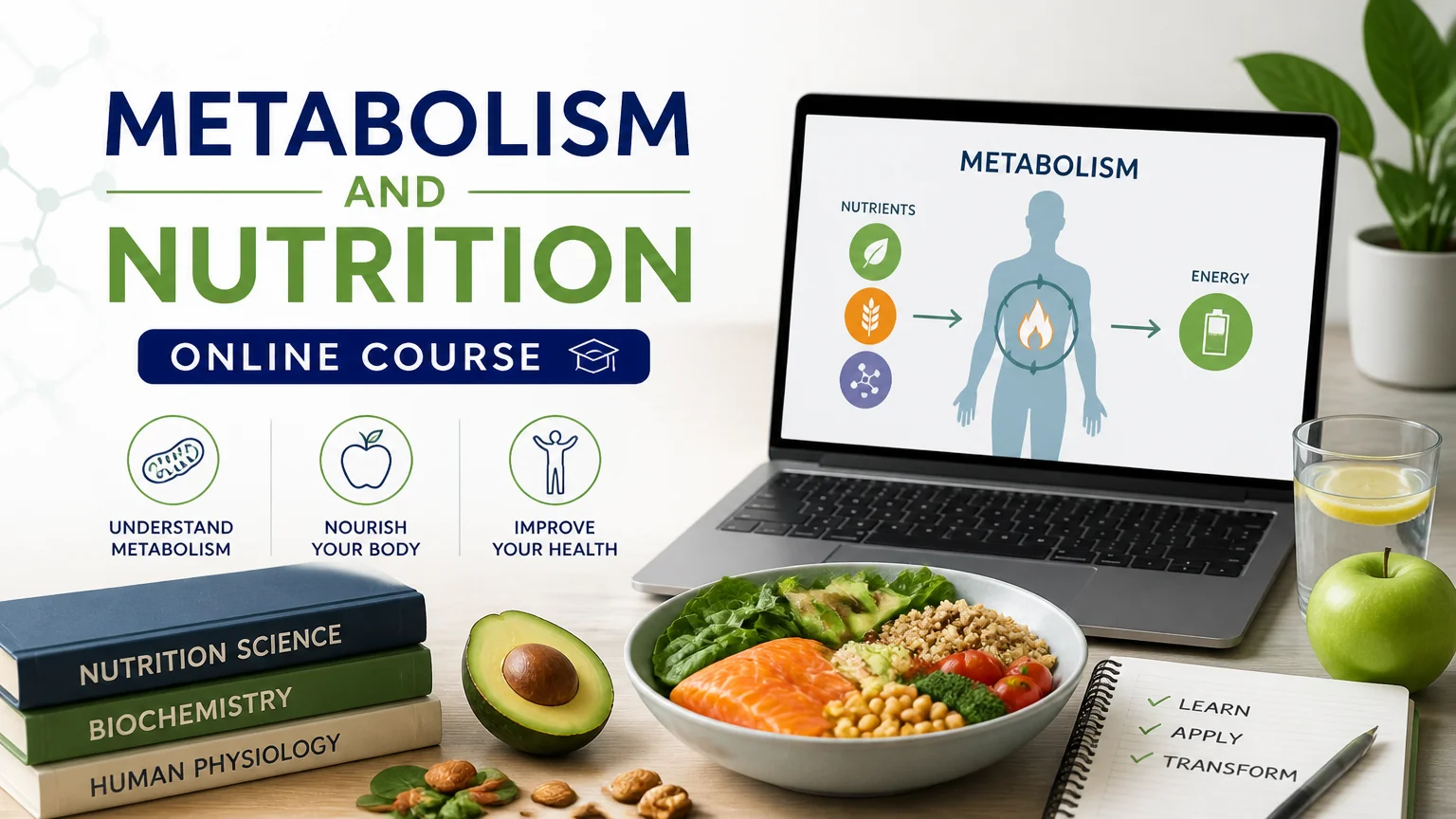
You will learn about macronutrients (carbohydrates, proteins, and fats), micronutrients (vitamins and minerals), and how the body uses them for energy and to maintain vital functions. You will understand how a balanced diet contributes to health and how nutritional deficiencies can lead to illness. It is like learning the alphabet of nutrition before you can write a novel.
You will discover how to adapt diet to the specific needs of people with different illnesses, such as diabetes, cardiovascular diseases, digestive disorders, and food allergies. You will learn to design personalized eating plans that help control symptoms and improve patients' quality of life. It's like being a nutrition detective, investigating which foods can help solve health problems.
You will study the composition, properties, and quality of foods, as well as the processes of production, transformation, and conservation. You will learn to identify food risks and apply measures to guarantee the safety of the food we consume. It's like having a magnifying glass to examine every ingredient and ensure it is safe and nutritious.
You will explore the relationship between diet and sports performance, learning to design eating plans that optimize energy, recovery, and muscle development for athletes. You will study the specific nutritional needs of different sports and how to use sports supplements safely and effectively. It's like being the nutritional coach for a sports team, helping them reach their maximum potential.
Studying online requires certain skills and personal characteristics. It is not as simple as sitting in front of a screen and expecting knowledge to fall from the sky. It requires a proactive approach and a good dose of self-discipline.
Self-discipline is essential for staying motivated and focused on your studies. Without the structure of a face-to-face class schedule, it is easy to procrastinate and leave things until the last minute. Set realistic goals, create a study schedule, and stick to it. Reward yourself for your achievements and don't punish yourself for minor setbacks. It's like training a muscle: the more you exercise it, the stronger it becomes.
Learning to manage your time is essential for balancing your studies with other responsibilities. Prioritize your tasks, use planning tools, and avoid distractions. Divide large tasks into small manageable parts and establish realistic deadlines. It's like building a house: you need a detailed plan and a calendar to ensure everything is done on time.
Online communication is key to interacting with your professors and classmates. Actively participate in discussion forums, ask questions, and share your ideas. Use available communication tools, such as email, chat, and video conferencing, to stay connected and collaborate with other students. It's like building a bridge: communication is the glue that brings people together.
A degree in human nutrition and dietetics online will open up a wide range of professional opportunities for you. The demand for nutritionists and dietitians is constantly growing, as more and more people are aware of the importance of a healthy diet.
You can establish your own private practice and help people achieve their health and wellness goals through personalized nutrition. You can work with individuals, families, or groups, offering nutritional counseling, meal plans, and follow-up. It's like being a personal guide, helping people find the path to a healthier life.
Many companies are hiring nutritionists to promote the health and wellbeing of their employees. You can work in nutrition programs for businesses, offering workshops, seminars, and individual consultations. You can also collaborate in the development of healthy food products and the creation of menus for corporate cafeterias. It's like being a health architect in the workplace, building a healthier environment for everyone.
If you are passionate about research, you can dedicate yourself to studying the effects of diet on health and developing new nutritional strategies. You can work in universities, research centers, or pharmaceutical companies. It's like being a scientific explorer, discovering new horizons in the field of nutrition.
The offering of online nutrition programs is broad and varied. It is important to research and choose a program that suits your needs and goals.
Many renowned universities offer high-quality online nutrition programs. Look for accredited universities with a strong focus on research and teaching. These programs usually offer rigorous training and professional recognition. It's like choosing a trusted brand: you know you are investing in quality.
There are also online platforms that offer specialized courses in different areas of nutrition. These courses can be an excellent option if you want to supplement your training or acquire specific knowledge in a particular area. However, ensure that the courses are taught by qualified professionals and have valid recognition.
Online human nutrition and dietetics offers you the opportunity to train as a professional in an exciting and constantly growing field. With flexibility, access to global resources, and an affordable cost, online education opens the doors to a bright future in the world of nutrition. So, what are you waiting for? Start building your future today!
1. Do I need to have prior knowledge in sciences to study nutrition online?
Not necessarily, but having a background in biology, chemistry, or anatomy will be very helpful. Many programs offer introductory courses to bring all students up to speed.
2. Is an online nutrition degree valid?
Yes, as long as the program is accredited by a recognized organization. An accredited degree will allow you to practice as a nutritionist dietitian and obtain professional certification.
3. How long does it take to get an online nutrition degree?
It depends on the program and your study pace. An undergraduate degree can take between 3 and 4 years, while a master's degree can last between 1 and 2 years.
4. Can I work as a nutritionist in a hospital with an online degree?
Yes, with an accredited degree you can work in hospitals, clinics, health centers, or any other institution that requires the services of a nutritionist dietitian.
5. What is the difference between a nutritionist and a dietitian?
Although the terms are often used interchangeably, a dietitian usually has more specialized training in diet therapy and disease management through diet. In some countries, the title of dietitian is regulated and requires specific certification.
Do you prefer learning by watching and listening? Expand your knowledge with these free videos related to this topic.
Learn to design balanced, nutritious, tasty diets by life stage, read nutrition labels, plan for weight loss and exercise, and help prevent common diseases.
Watch VideoLearn what nutrients are, how macronutrients and micronutrients are classified, functions, food components and groups, tips for a healthy, balanced diet.
Watch VideoLearn what proteins and amino acids are, their functions and biological value, age-based requirements, and the health risks of deficiency or excess in detail.
Watch VideoSearch
Popular searches