For Onlinecourses55
|
2026-10-17
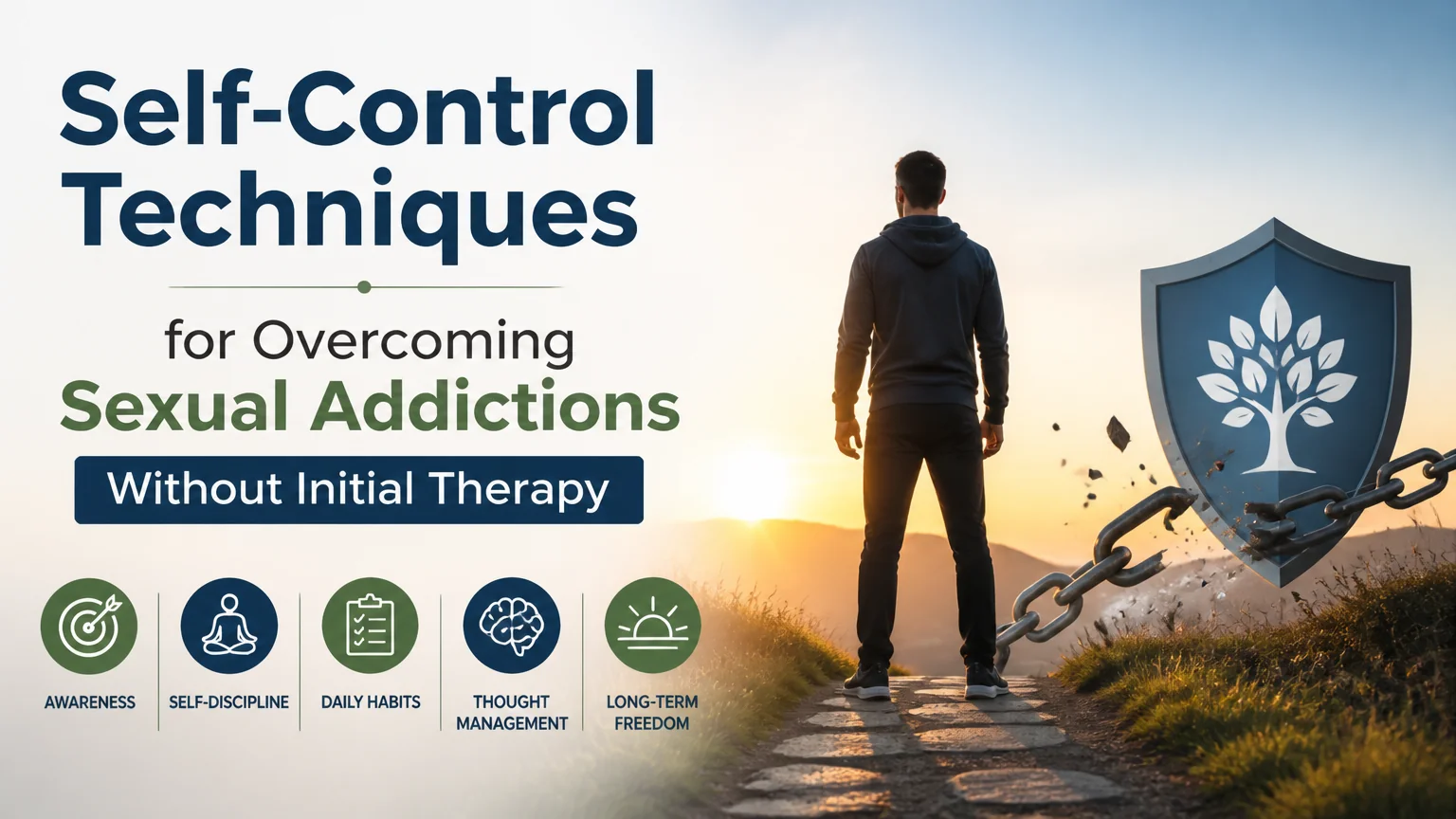
Self-control techniques for overcoming sexual addictions without initial therapy - overcome sexual addictions
Taking a proactive stance towards managing impulses is crucial. Explore practical techniques by engaging with specialized resources aimed at guiding personal growth. Begin a journey with the relevant course focused on overcoming compulsive sexual behaviors, which provides accessible strategies for lasting change.
Recognizing that you want to change a pattern of behavior is the first practical step. Here you’ll find concrete, actionable strategies for managing impulses, adjusting your environment, and creating habits that reduce the intensity and frequency of problematic behaviors. These strategies are designed to be used from day one, without the need to start formal therapy, although in some cases professional help will still be the best long-term option.
Before taking action, it’s helpful to identify which situations, emotions, or stimuli precede episodes of problematic behavior. Keeping a brief log for one or two weeks is very helpful: note the time of day, your mood, where you were, what you did beforehand, and what outcome you were seeking. By identifying patterns (for example, loneliness, boredom, stress, or easy access to content), you can design a specific response that breaks the chain leading to the impulsive act.
If it’s convenient for you, use a notebook or a note on your phone to record: the time, the main emotion, the intensity of the impulse (on a scale of 1 to 10), the trigger, and how long the episode lasted. Over time, you’ll see trends that will allow you to prioritize which situations to address first.
When a strong impulse strikes, your first actions can make all the difference. Some simple and effective techniques include:
Have a list ready of quick activities that you know work for you: do 20 squats, take a shower, go outside, cook something simple, write a page in a notebook. Practicing these alternatives before you need them makes them more effective when the urge arises.
Your environment can either facilitate or hinder certain behaviors. Making small changes significantly reduces the likelihood of a relapse.
There are apps to limit access to websites, timers that lock screens, and content-filtering services. Use these tools as support: they don’t replace willpower, but they make the decision to access the trigger more costly in terms of time and effort.
It’s not enough to simply stop a behavior; it’s more effective to replace it with another that satisfies the same need (for example, stress relief, seeking excitement, or escape). Identify the underlying need and choose healthy alternatives.
Start with small, sustainable actions (10 minutes of exercise, writing three lines, calling someone) and gradually increase them. Micro-habits reduce resistance and lead to an accumulation of positive changes.
Our thoughts influence our behavior. Identifying automatic beliefs (“I can’t resist it,” “this calms me down”) and questioning them helps change our response. Some practical steps:
Writing down your thoughts during and after urges allows you to see patterns and practice new ways of interpreting situations. Over time, your perception of control over your behavior will change.
Factors such as insufficient sleep, poor nutrition, and stress increase vulnerability. Improving basic habits has a direct impact on your ability to exercise self-control.
Create a morning and evening routine that includes light physical activity, planning your day, and a moment of mindfulness. Rituals provide structure and reduce the uncertainty that can lead to impulsive behaviors.
Preparing a plan for times of crisis increases the likelihood of maintaining progress. A basic plan includes warning signs, immediate strategies, and who to contact.
Review your plan every week and adjust anything that isn’t working. Celebrating small victories and analyzing relapses without judgment is key to learning and strengthening self-management.
If, despite applying these techniques, your urges increase, cause harm to you or others, significantly interfere with work or relationships, or if you have thoughts of self-harm, it’s important to seek professional help. Therapy, support groups, or medical counseling can offer tools and supervision that complement your personal efforts.
These steps are designed to give you practical resources you can apply right away: identifying your triggers, preparing immediate responses, changing your environment, replacing habits, and taking care of your physical and emotional well-being. With consistency and self-compassion, it’s possible to reduce the intensity and frequency of problematic behaviors and build a routine that’s more aligned with your personal goals.
Search
Popular searches