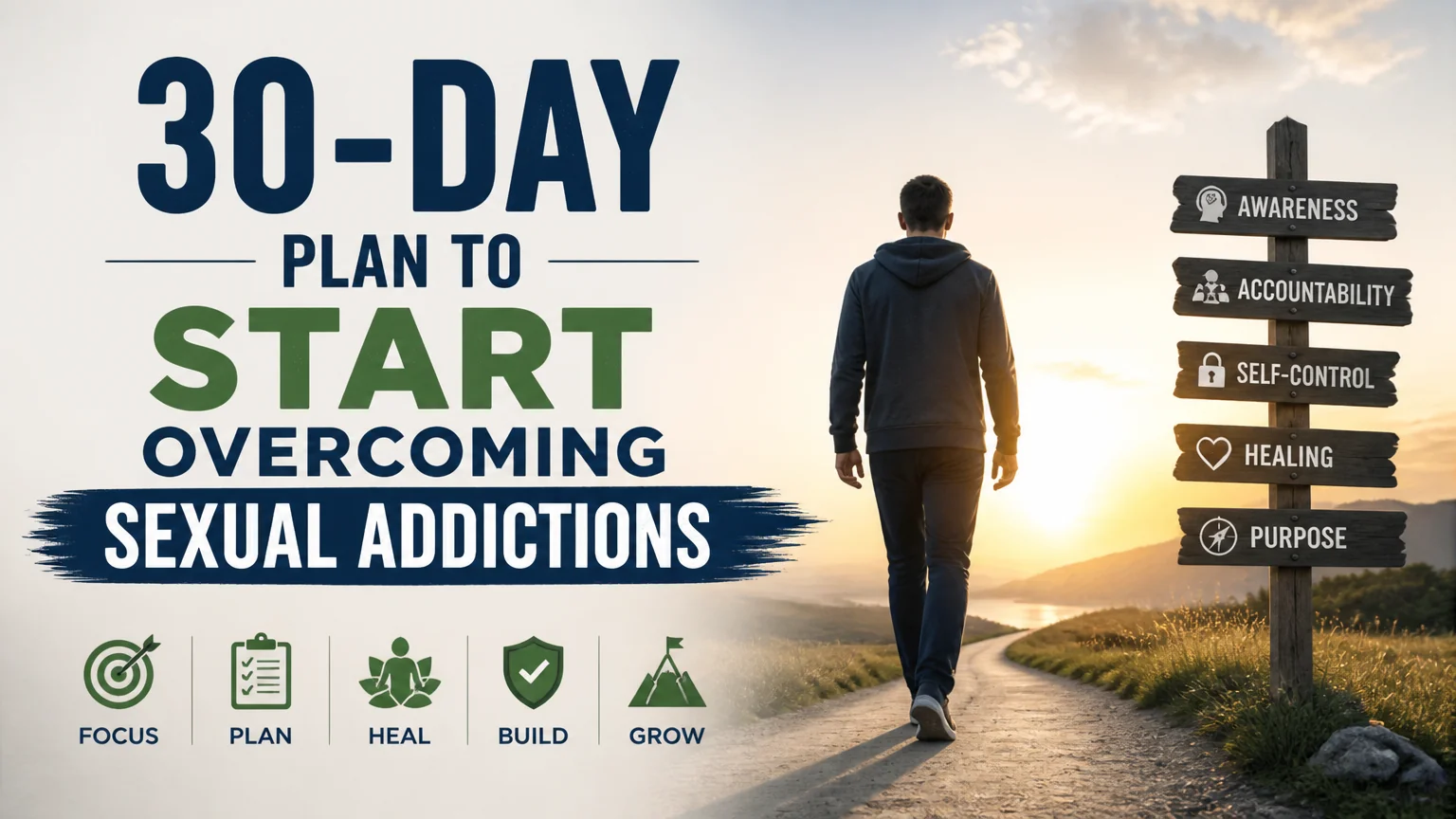
30-day plan to start overcoming sexual addictions - overcome sexual addictions
To truly change harmful behaviors, integrate effective strategies by joining a comprehensive program designed to help individuals regain control of their lives through healing and new habits. Discover the tools and support you need to start transforming your journey today with the transformative course focused on conquering unhealthy sexual behaviors, and empower yourself to create positive changes.
Starting a structured 30-day plan to change repetitive and harmful behaviors requires clarity, honesty, and concrete steps. Below you’ll find a practical, day-by-day and week-by-week program with practical tools to identify triggers, replace habits, and build a support network. Everything is designed to be realistic and humane, with room for relapses and adjustments.
Understanding the Situation
Before taking action, it’s helpful to understand why these patterns occur. This isn’t about blame but about learning: repetitive behaviors often stem from emotions (boredom, anxiety, loneliness), environmental stimuli (phones, websites), or avoidance patterns. Recognizing the signs and reasons makes it easier to design effective substitutes.
Signs to Watch For
- Excessive use of devices at specific times of the day.
- A feeling of loss of control or remorse after the behavior.
- Social isolation or using the behavior as a mechanism to avoid emotions.
- Negative impact on work, relationships, or physical health.
Initial Assessment (Days 1–2)
The first two days are dedicated to honest assessment and setting clear, manageable goals. It’s important not to try to change everything at once; instead, define specific, measurable objectives.
- Day 1: Keep a detailed record of when, where, and why the behavior occurs over a 24-hour period. Note emotions before and after the behavior.
- Day 2: Identify three main triggers and choose a realistic goal for the next 30 days (for example, cutting episodes in half or replacing rituals with alternative activities).
Week 1: Laying the Groundwork (Days 3–7)
The goal of the first week is to create structures that prevent impulsive behavior and begin replacing habits.
Recommended Actions
- Create a list of technical barriers: install filters, use time-tracking apps, or remove shortcuts.
- Set up daily routines with schedules for sleep, exercise, and meals to reduce moments of vulnerability.
- Share your decision to change with a trusted person and agree on an accountability system.
- Practice 5–10 minutes of mindful breathing daily when you feel the urge.
Week 2: Habit Consolidation (Days 8–14)
The second week aims to help the structures established earlier begin to become automatic habits. Here, we delve deeper into healthy alternatives and emotion management.
Daily Activities
- Emotional journal: Write at least one page about triggers and how you reacted.
- Exercise for at least 30 minutes, preferably first thing in the morning or after work to release tension.
- Practice substitution techniques: when the urge arises, engage in a predefined alternative activity (call someone, go for a walk, read).
- Reinforce digital boundaries: set screen-free times and create device-free zones.
Week 3: Deepening Strategies (Days 15–21)
In the third week, tools are introduced to understand deeper patterns and to develop emotional and social skills that reduce dependence.
Key Approaches
- Make a list of automatic thoughts associated with the behavior and practice challenging them with contrary evidence.
- Start or intensify therapy if possible (cognitive-behavioral therapy or impulse-control therapy).
- Seek out community activities or groups that provide social connection and a sense of belonging.
- Practice self-regulation when impulses arise: name the emotion, observe it without acting on it, and wait 15 minutes before making a decision.
Week 4: Maintenance and Long-Term Plan (Days 22–30)
The final week of the 30-day plan focuses on consolidating what has been learned and designing a sustainable plan for the coming months. The goal is not perfection, but continuity and the ability to bounce back from setbacks.
Goals for the Week
- Assess progress: Compare initial records with your current situation to identify specific improvements.
- Create a maintenance schedule with weekly support activities (therapy, exercise, social activities).
- Develop a relapse action plan: steps to take, who to contact, and how to resume healthy habits without self-punishment.
- Establish healthy rewards for goals achieved, avoiding reinforcers that might replace one problem with another.
Practical Daily Tools
These tools help sustain change beyond the first 30 days. Implement the ones that best fit your routine.
- Meditation or mindfulness exercises: 5–20 minutes a day to improve tolerance for discomfort.
- Structured journaling: a gratitude list, identifying triggers, and a response plan.
- Regular physical activity to regulate mood and reduce impulses.
- Support contacts: one or two people you can call if the urge is strong.
- Education: Read about the topic to normalize the experience and learn validated strategies.
Managing Relapses
Relapses are part of the learning process. They do not determine the final outcome; what matters is how you respond to them.
- Avoid destructive self-blame: analyze what happened with curiosity to identify triggers and flaws in the plan.
- Reactivate immediate strategies: technical distraction, a support call, deep breathing, and removing yourself from the risky environment.
- Review and adjust the plan: It may be necessary to increase professional support or change substitute activities.
- Document the relapse in detail to learn from it and prevent similar recurrences.
When to Seek Professional Help
Certain signs indicate that professional intervention can speed up recovery and prevent further harm. Seek help if:
- The behavior significantly affects your daily life, work, finances, or relationships.
- You feel you have no control despite repeated attempts to change.
- There is comorbidity with depression, anxiety, or substance use.
- Self-help strategies aren’t working, or relapses are frequent and severe.
Final Tips
Transformation is a gradual process and requires patience. Celebrate small achievements, be kind to yourself, and stay consistent. Surrounding yourself with support, structuring your day, learning emotional regulation techniques, and seeking professional help when needed greatly increase your chances of success. This 30-day plan is a starting point: use it as a flexible framework and adapt it to your own pace and circumstances.
 For Onlinecourses55
|
2026-10-02
For Onlinecourses55
|
2026-10-02