Definition of Behavioral Addiction Without Substance
Learn how behavioral addiction affects the brain, how dopamine drives tolerance and dependence, and why therapy uses cognitive restructuring and retraining.
Watch Video For Onlinecourses55
|
2026-11-16
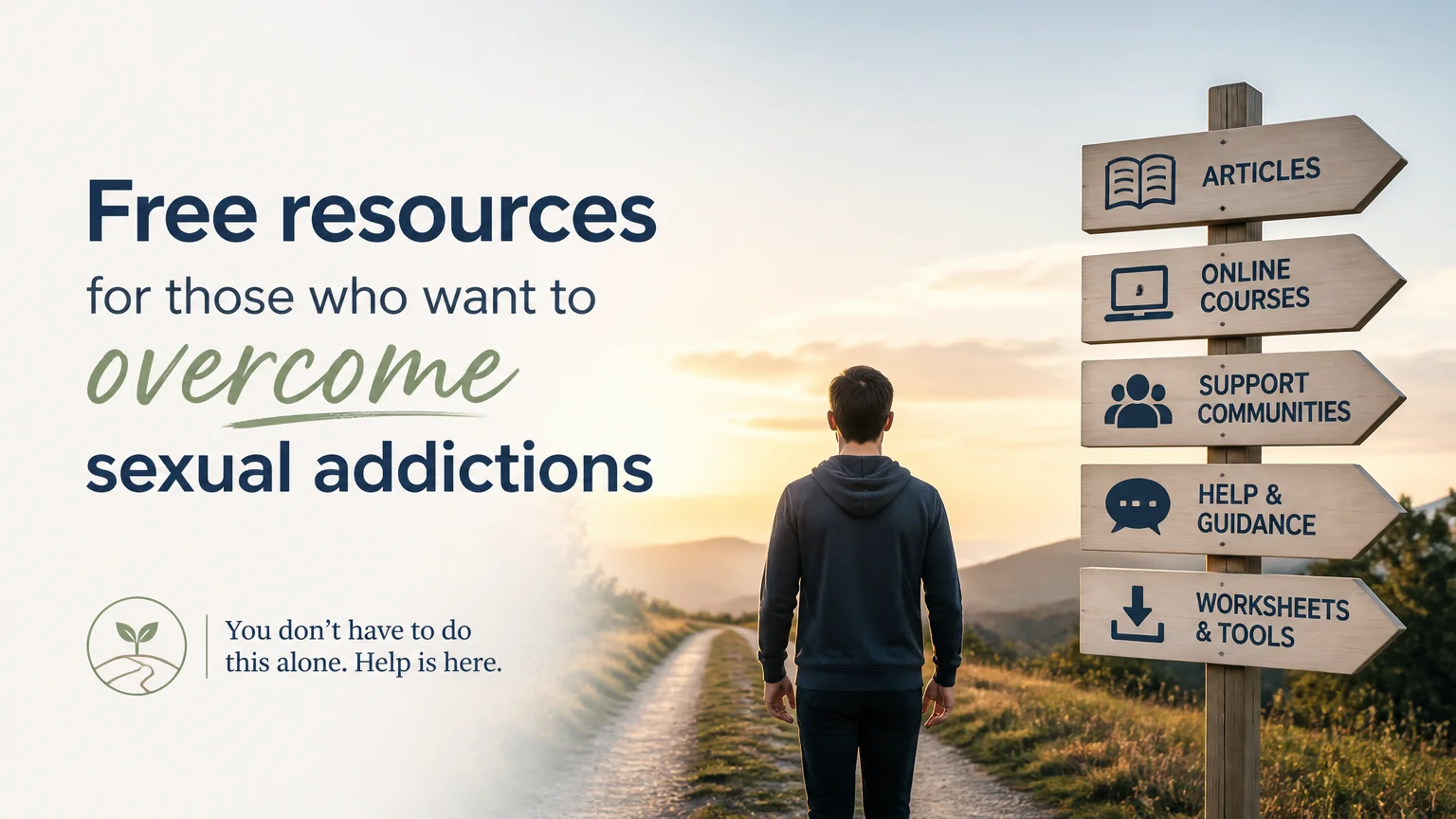
Free resources for those who want to overcome sexual addictions
Seeking support and utilizing available resources can pave the way for successful change. Take the first step towards healing and growth by enrolling in a course that provides a structured approach to recovery. Engage with the comprehensive training program designed to support individuals in overcoming unhealthy sexual behaviors, and begin to build the compassionate support network you need.
Accepting that behaviors related to sexuality are causing distress or problems in daily life is the first step. Many people feel shame or guilt, which delays their search for help. It’s helpful to know that there are free and accessible resources designed to support the process, ranging from basic guidance to structured therapy and support groups. The key is to identify options that fit your needs and circumstances: in-person care, community services, online resources, or training for family members and friends who want to support the change.
Public health centers often offer psychological care at no cost or at a very low cost. They frequently have teams specializing in addiction and sexual health. Visiting your nearest health center or checking your municipality’s or community’s health website can help you schedule a free initial assessment. In some countries, there are specific programs for compulsive behaviors that include follow-up care, therapy groups, and referrals.
Universities with psychology, social work, or medical programs often have clinics where advanced students provide supervised therapy for free or at a low cost. These clinics typically use up-to-date therapeutic models and are a good option for those seeking structured treatment without a high financial burden. In addition, many programs offer brief consultations and psychoeducational workshops open to the public.
NGOs and community centers offer services ranging from initial counseling to support groups and training for family members. These organizations take a social approach and aim to reduce barriers to access, so it is common to find free, confidential care tailored to different needs. Searching local directories of social service organizations or consulting with municipal social services can help you learn about the available options.
Peer support groups provide a space for emotional support and learning through shared experiences. In many cities, there are open, free meetings that follow 12-step models or other mutual support methodologies. Participating in these groups makes it easier to build networks, practice accountability through personal commitments, and learn practical strategies for times of crisis.
For those who cannot attend in person or prefer initial anonymity, online forums and communities are a valuable alternative. There are moderated platforms that promote respect and evidence-based information. Seeking out groups with clear guidelines and active moderators reduces the risk of content that could trigger problematic behaviors. Additionally, many communities organize virtual meetings and provide guides for daily practice.
There are free apps that help block content, limit screen time, and track progress. These tools allow you to set restrictions on devices, generate adherence reports, and set reminders for healthy habits. They complement therapeutic work by reducing exposure to material that may trigger urges and by reinforcing healthier digital habits.
Many professionals and organizations share free content in the form of articles, podcasts, and videos that address topics such as impulse management, understanding triggers, coping techniques, and recovery stories. Selecting reliable, clinically-oriented sources helps integrate useful knowledge into daily life. Hearing personal experiences also provides a sense of companionship and hope.
Identify triggers: Keeping a brief record of high-risk moments, emotions, and situations that precede the behavior allows you to develop concrete alternatives.
Structured routines: Planning daily activities, physical exercise, and time for rest reduces the space for unwanted impulses.
Impulse control techniques: Slow breathing, 10-minute breaks, and physically shifting to another activity help manage the urge.
Social support: Sharing goals with a trusted person or a support group mentor increases accountability and emotional support.
Limiting isolation: Engaging in creative activities, volunteering, or sports reduces boredom and loneliness, which often precede compulsive behaviors.
Practical guides, manuals, and book chapters on impulse control, cognitive-behavioral strategies, and relapse prevention are available for free online. Educational platforms offer free introductory courses covering aspects of sexual health and behavioral addictions. You can also find bibliographies with recommendations for key readings and printable handouts for daily support.
If a moment of intense risk arises or you fear for your emotional safety, it’s important to have an emergency plan: agree on a code word or gesture with a trusted person, seek emergency services if the situation gets out of hand, or call helplines available in your country to receive immediate support. Some social and mental health services offer 24-hour phone or chat support for crises requiring urgent intervention.
Involving family members and friends can be a powerful resource when handled with respect and healthy boundaries. There are guides for family members that explain how to offer support without judgment, how to set boundaries, and when to refer someone to professional services. Educating close support networks reduces stigma and fosters a more protective environment during recovery.
Building a sustainable strategy involves combining resources: professional care, support groups, digital tools, and self-care practices. Developing a relapse prevention plan that includes warning signs, specific actions, and support contacts increases the likelihood of sustaining positive changes. Recovery isn’t always linear; therefore, learning from relapses with curiosity and without self-deprecation allows you to adjust your plan and keep moving forward.
Seeking help and using free resources is an act of self-care and courage. There are many ways to get support without significant financial cost: public services, organizations, peer communities, and online resources. The key is to take small steps, stay connected with others, and develop practical strategies that fit into daily life. With persistence and support networks, it’s possible to regain control and improve your quality of life.
Do you prefer learning by watching and listening? Expand your knowledge with these free videos related to this topic.
Learn how behavioral addiction affects the brain, how dopamine drives tolerance and dependence, and why therapy uses cognitive restructuring and retraining.
Watch VideoLearn to distinguish substance and behavioral addictions, explore shared brain mechanisms, and regain control with routines, digital filters, and support.
Watch VideoLearn how digitization changed access to and monetization of adult entertainment, and its social, demographic, and sexual education effects at scale today.
Watch VideoSearch
Popular searches