For Onlinecourses55
|
2026-11-01
Myths and realities about overcoming sexual addictions - overcome sexual addictions
Separating myth from reality is key to approaching sexual addiction with empathy and understanding. Equip yourself with the truth and effective strategies through specialized programs. Engage with the unique course aimed at unraveling misconceptions and promoting healing from unhealthy sexual behaviors, so you can better navigate this journey.
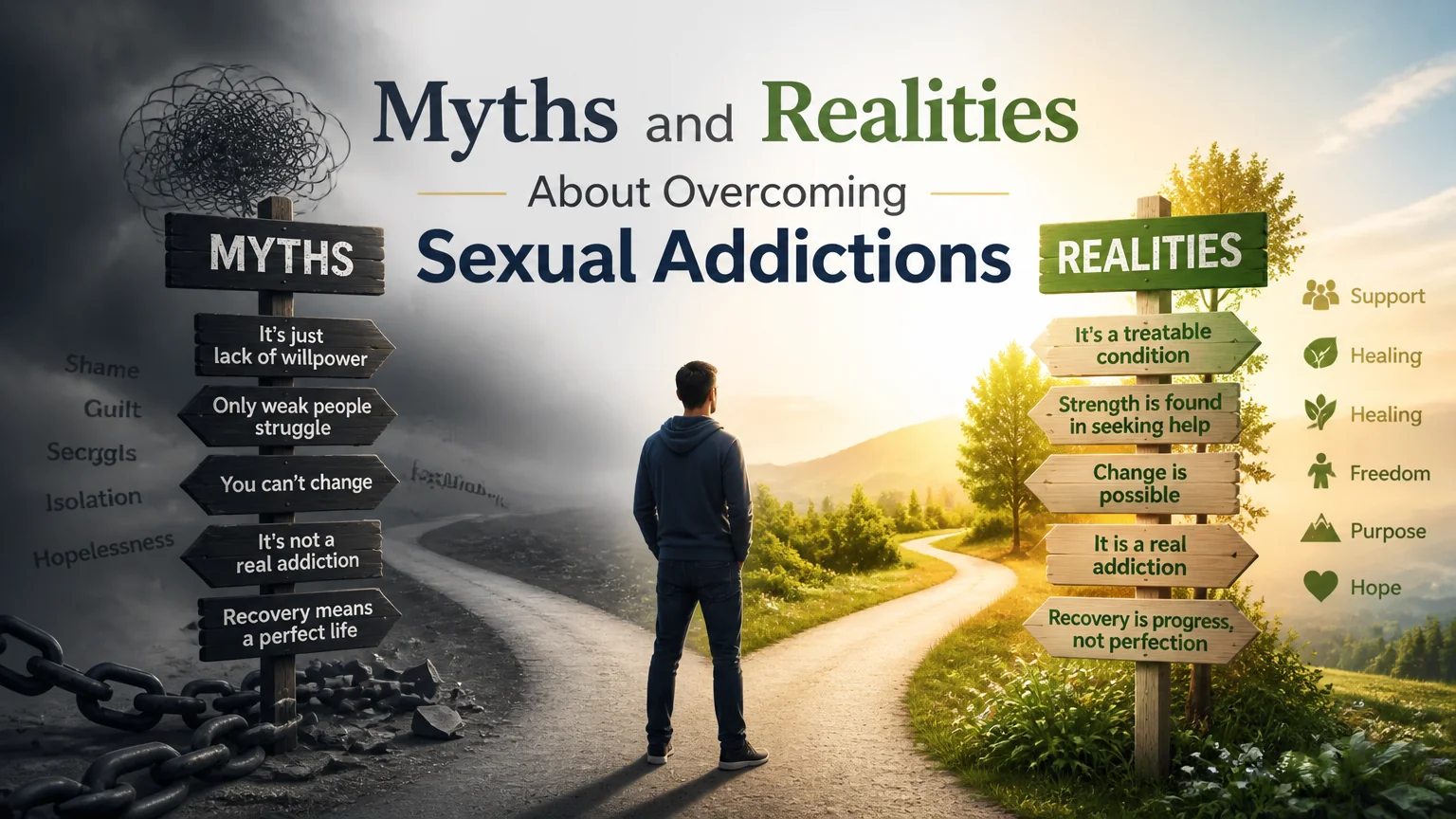
When it comes to sexual addictions, many myths arise that confuse those who suffer from them and their loved ones. It’s common to think that willpower alone is enough, that it’s a moral problem, or that it affects only people with serious mental health conditions. The reality is more complex: compulsive behaviors related to sexuality have biological, psychological, and social components. Recognizing the difference between myth and reality helps address the problem with compassion and effectiveness.
A widespread belief is that people with a sexual addiction simply lack self-control or discipline. While self-control does play a role, reducing everything to a matter of willpower is unfair and unhelpful. Many people develop compulsive patterns in response to anxiety, trauma, dysfunctions in the brain’s reward system, or relationship problems. Trying to “force” change without addressing the underlying causes often leads to frustration and relapse.
Evidence suggests that changes in brain chemistry, prior learning, and emotional situations can promote addictive behaviors. Dopamine and other neurotransmitters play a role in the pursuit of immediate gratification. Additionally, early-life experiences, chronic stress, social isolation, or a history of abuse can predispose individuals to developing compulsive sexual behaviors. For this reason, a comprehensive therapeutic approach that combines psychotherapy, social support, and, in some cases, medication, yields better results.
A common misconception is to associate sexual addiction exclusively with extreme promiscuity or criminal acts. In reality, its manifestations are varied: they can include compulsive pornography use, excessive masturbation, sexting, repeated visits to sex workers, or urges related to risky encounters. Many people lead seemingly stable lives but hide habits that interfere with their emotional well-being and relationships.
The consequences extend beyond the sexual act itself. Damaged relationships, job loss, legal problems, guilt, and isolation are common effects. There is also an impact on self-esteem and mental health, often coexisting with depression, anxiety, or substance use. Recognizing the full scope of the problem makes it easier to seek appropriate help and prevent serious consequences.
There is no single or immediate solution, but there are evidence-based strategies that aid in recovery. The most effective approach is multidimensional: psychological therapy, support groups, environmental changes, and, in some cases, medication. The goal is to regain control, heal emotional wounds, and build a healthy sexuality.
Cognitive-behavioral therapy (CBT) is frequently recommended because it helps identify thoughts and situations that trigger compulsive behavior and develop alternative coping skills. Acceptance and Commitment Therapy (ACT) and psychodynamic therapy can also be helpful depending on the individual’s needs. A qualified professional evaluates and tailors the treatment plan.
Participating in groups where experiences are shared without judgment provides support and models of recovery. Groups help normalize the act of seeking help, offer practical tools for coping with urges, and reduce isolation. Having support networks—family, friends, or partners—improves treatment adherence and the sustainability of change.
Many people believe that a relapse means total failure. The reality is that relapses can be part of the recovery process and provide insight into which areas need reinforcement. The important thing is to plan how to respond to a relapse: seek immediate support, review the treatment plan, and learn from the experience to prevent future episodes.
If compulsive sexual behavior causes significant distress, problems at work, legal risks, or damages important relationships, it’s time to seek professional help. A mental health specialist with experience in addiction and sexuality can provide assessment, diagnosis, and treatment. In cases where there is comorbidity with depression, anxiety, or substance abuse, early intervention improves the prognosis.
Overcoming a sexual addiction does not mean suppressing sexuality; it is about integrating it in a healthy and mindful way. This involves learning to express desires respectfully, setting boundaries, practicing effective communication with your partner, and cultivating emotional intimacy. Working on self-esteem and the ability to experience pleasure without guilt are central aspects of sustainable recovery.
Understanding the myths and realities about sexual addictions allows us to act with clarity and compassion. With professional care, support, and sustainable daily practices, it is possible to regain control, heal relationships, and develop a sexuality that brings well-being rather than suffering.
Search
Popular searches