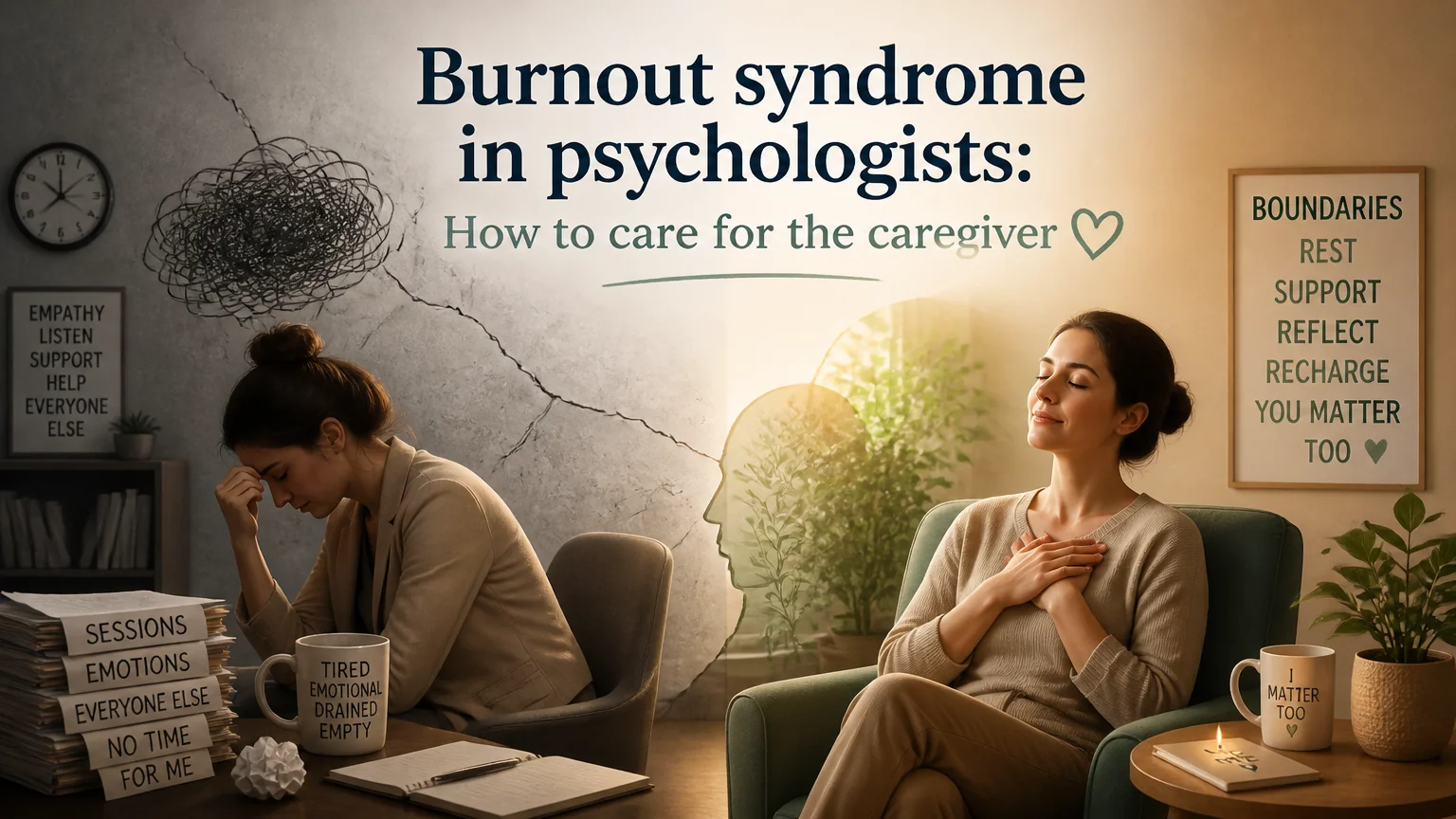
Burnout syndrome in psychologists: how to care for the caregiver - practical psychology
Understanding the nuances of mental health, especially regarding burnout, is crucial in preserving the well-being of those in the psychological professions. Equip yourself with tools to manage stress effectively and enhance your practice through the course that delves into practical psychological strategies for recognizing and mitigating burnout.
Burnout syndrome, or occupational burnout syndrome, is an alarming reality that affects mental health professionals, especially psychologists. Dedicated to alleviating the suffering of others, these professionals often face a significant emotional burden that, if not managed properly, can lead to exhaustion, depersonalization, and decreased job performance. This article delves into the causes, symptoms and, most importantly, strategies to prevent and overcome burnout in psychologists, highlighting the importance of caring for the caregiver.
What Is Burnout Syndrome and Why Does It Affect Psychologists?
Burnout is not simply feeling tired after a long day of work. It is a state of emotional, physical and mental exhaustion caused by prolonged or excessive stress. In the context of psychology, the factors that contribute to burnout are multiple:
- Continuous exposure to others' suffering: Listening to stories of trauma, pain and distress can have a cumulative impact on the psychologist's emotional well-being.
- High expectations and self-demand: Many psychologists feel the pressure to be "perfect" and to have all the answers for their patients.
- Lack of clear boundaries: Difficulty disconnecting from work and establishing healthy boundaries between professional and personal life.
- Feeling of lack of control: Perceiving that one does not have enough autonomy or influence over their own work.
- Insufficient resources: Excessive workload, lack of institutional support or limited resources for professional development.
Symptoms of Burnout in Psychologists: Recognizing the Warning Signs
Identifying the symptoms of burnout at an early stage is crucial to prevent more serious consequences. Some of the most common symptoms include:
- Emotional exhaustion: Feeling empty, hopeless and experiencing constant emotional fatigue.
- Depersonalization: A cynical or distant attitude toward patients, treating them like objects rather than people.
- Decreased job performance: Difficulty concentrating, low productivity and a sense of inefficacy.
- Physical symptoms: Headaches, gastrointestinal problems, insomnia and other stress-related health issues.
- Irritability and mood changes: Increased susceptibility to frustration, anger and sadness.
- Social isolation: Avoiding contact with colleagues and friends, feeling alone and disconnected.
Prevention Strategies: Shielding the Psychologist's Mental Health
Prevention is the key to preventing burnout from becoming a chronic problem. These are some effective strategies that psychologists can implement:
- Set clear boundaries: Define specific work hours, avoid bringing work home and learn to say "no" to additional commitments.
- Practice self-care: Dedicate time to activities that provide pleasure and relaxation, such as exercise, meditation, hobbies or spending time with loved ones.
- Seek supervision and support: Participate in supervision groups or individual therapy to process emotions and work-related difficulties.
- Develop coping skills: Learn stress-management techniques, such as deep breathing, progressive muscle relaxation or cognitive restructuring.
- Promote work–life balance: Prioritize time for family, friends and leisure activities.
- Maintain healthy eating and get enough sleep: Nutrition and rest are fundamental for physical and mental health.
- Cultivate gratitude: Acknowledge and appreciate the positive aspects of work and personal life.
Overcoming Burnout: Recovering Professional Well-Being
If burnout symptoms have already appeared, it is important to take steps to reverse the situation. In addition to the prevention strategies mentioned, here are some recommendations to overcome burnout:
- Seek professional help: Individual or group therapy can provide a safe space to explore emotions, identify the causes of burnout and develop effective coping strategies.
- Reduce workload: If possible, decrease the number of patients or delegate tasks to other professionals.
- Take time off: A vacation or a sabbatical period can provide the rest and perspective necessary to recover.
- Reevaluate professional goals: Reflect on long-term objectives and consider whether career changes are necessary.
- Connect with other professionals: Participate in support groups or colleague networks to share experiences and receive encouragement.
- Practice self-compassion: Be kind and understanding with yourself, recognizing that burnout is a normal response to prolonged stress.
The Role of Institutions: Creating a Healthy Work Environment
The institutions where psychologists work also have an important role to play in preventing burnout. Some measures they can take include:
- Promote a culture of support: Encourage open communication, teamwork and recognition of a job well done.
- Provide resources for professional development: Offer training programs in stress management, self-care and burnout prevention.
- Reduce administrative burden: Simplify bureaucratic processes so psychologists can spend more time attending to patients.
- Offer flexible schedules: Allow psychologists to adjust their hours to better balance work and personal life.
- Implement wellness programs: Offer relaxation activities, exercise and other resources to promote physical and mental health.
 For Onlinecourses55
|
2026-10-31