For Onlinecourses55
|
2026-11-02
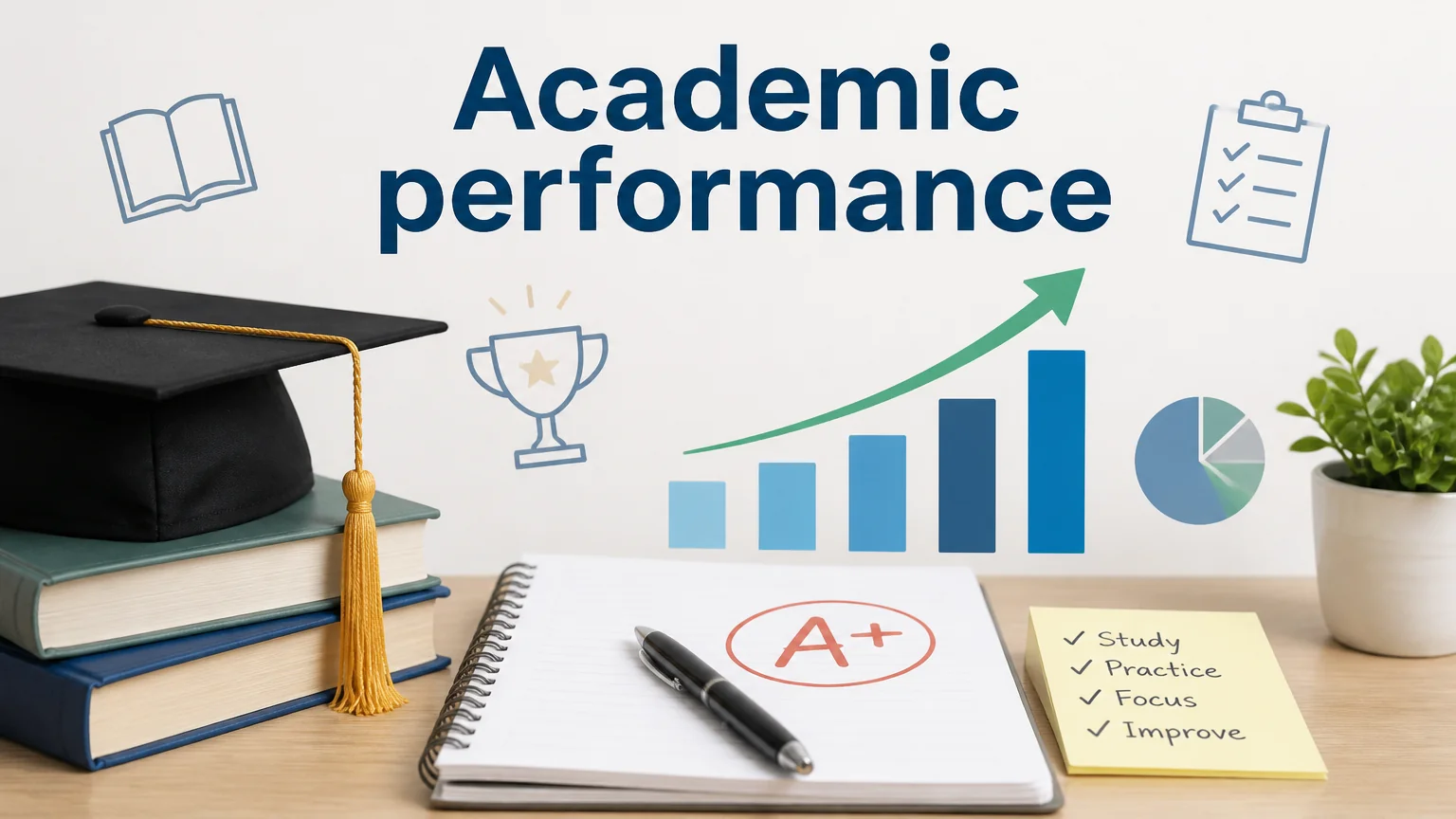
Academic performance - productivity work life home
Discover ways to enhance your academic performance with effective study habits by enrolling in this comprehensive guide on boosting your productivity at home and work. You'll learn strategies that are not only practical but also transformative!
Academic performance is one of those phrases we constantly hear in the educational field, but do we really understand its meaning and, more importantly, how can we improve it? It's not just about getting good grades; it's a much broader concept that encompasses the way we learn, how we adapt to the educational environment, and how we apply our knowledge.
In this article, we will explore academic performance in depth, from its definition to the practical strategies you can implement to optimize it and reach your full potential. Get ready to discover how to transform your educational experience!
Academic performance refers to the evaluation of knowledge acquired in the school, college, or university setting. It is the result of a learning process that involves not only memorizing information but also understanding, applying, and critically evaluating content.
In simple terms, it is a measure of how well you are learning and using what you are taught. It is manifested through grades, but it is also reflected in your ability to solve problems, participate in debates, and apply knowledge in real-world situations.
Don't be mistaken: academic performance is not synonymous with innate intelligence. While intelligence can be a factor, academic performance is strongly influenced by factors such as effort, motivation, study strategies, and the learning environment.
Academic performance is a complex interaction of several factors. Here are some of the most important ones:
Intrinsic and Extrinsic Motivation: Intrinsic motivation comes from your own interest and enjoyment of learning. When you are genuinely interested in a topic, it is much easier to stay focused and engaged. Extrinsic motivation, on the other hand, is based on external rewards, such as good grades or recognition from others. Both are important, but intrinsic motivation tends to be more sustainable in the long run.
Effective Study Habits: It's not about studying more, but studying smarter. Having solid study habits, such as time planning, creating summaries, and using memorization techniques, can make a big difference in your performance.
Time Management: Knowing how to manage your time is crucial to avoid stress and procrastination. Learn to prioritize tasks, set realistic deadlines, and avoid distractions to make the most of your study hours.
Physical and Mental Health: A healthy body and mind are essential for learning. Make sure you get enough sleep, eat a balanced diet, and exercise regularly. It is also important to manage stress and seek support if you are dealing with emotional problems.
Learning Environment: The environment in which you study can significantly influence your concentration and productivity. Find a quiet, well-lit, and distraction-free place.
Quality of Teaching: A good teacher can inspire you, motivate you, and help you understand complex concepts. If you are struggling with a topic, do not hesitate to seek additional help from your teacher or a tutor.
Family and Social Support: Having the support of your family and friends can make a big difference in your academic performance. Look for people who encourage you, help you stay motivated, and provide a safe space to talk about your challenges.
Educational Resources: Access to books, the internet, libraries, and other educational resources can enrich your learning and broaden your knowledge. Make the most of the tools available to you.
Now that we know the factors that influence academic performance, let's look at some practical strategies you can implement to optimize it:
Set Clear and Achievable Goals: Define what you want to achieve in each course and set specific, measurable, achievable, relevant, and time-bound (SMART) goals. This will help you stay focused and motivated.
Create a Detailed Study Schedule: Take time to plan your week and assign specific time blocks for each subject. Be sure to include regular breaks to avoid burnout.
Use Active Study Techniques: Instead of simply reading and rereading your notes, try techniques such as creating summaries, making concept maps, teaching others, and solving practical problems.
Participate Actively in Class: Ask questions, share your ideas, and participate in discussions. This will help you better understand the concepts and stay engaged in learning.
Seek Help When You Need It: Don't be afraid to ask for help if you are struggling with a topic. Talk to your teacher, find a tutor, or join a study group.
Take Care of Your Physical and Mental Health: Get enough sleep, eat a balanced diet, exercise regularly, and make time for activities you enjoy. Manage stress and seek support if you are dealing with emotional problems.
Organize Your Study Space: Create a quiet, well-lit, and distraction-free environment. Make sure you have all the materials you need on hand.
Use Technology to Your Advantage: There are many online applications and tools that can help you organize your tasks, take notes, memorize information, and collaborate with other students.
Review and Consolidate Your Knowledge: Take time to review the topics you have learned and relate them to other concepts. This will help you consolidate your knowledge and remember it in the long term.
Celebrate Your Successes: Acknowledge your achievements and reward yourself for your hard work. This will help you stay motivated and keep moving towards your goals.
Academic performance not only influences your grades, but it can also have a significant impact on your professional and personal future. Good academic performance can open doors to better educational opportunities, such as scholarships, exchange programs, and admissions to prestigious universities.
Furthermore, it can improve your job prospects, increase your income, and provide you with greater personal satisfaction. The skills you develop in academia, such as critical thinking, problem-solving, and effective communication, are valuable in any professional field.
To improve your academic performance, it is essential that you take the time to self-assess and reflect on your strengths and weaknesses. Ask yourself:
What am I doing well?
In what areas do I need to improve?
What strategies are working for me?
What strategies do I need to change?
Self-assessment will help you identify specific areas you can focus on and adjust your study strategies to get better results.
There are many myths about academic performance that can limit your potential. Some of the most common are:
"Only smart people get good grades": Effort, dedication, and effective study strategies are just as important as intelligence.
"Studying for many hours is the key to success": It's not about studying more, but studying smarter.
"I need to be perfect at everything": Nobody is perfect. Focus on doing your best and learn from your mistakes.
"Asking for help is a sign of weakness": Asking for help is a sign of intelligence and courage.
Technology can be a powerful tool to improve your academic performance. There are many online applications and platforms that can help you:
Organize your tasks and schedules: Google Calendar, Trello, Asana.
Take notes and create summaries: Evernote, OneNote, Google Docs.
Memorize information: Anki, Quizlet.
Collaborate with other students: Google Meet, Zoom, Slack.
Access educational resources: Khan Academy, Coursera, edX.
Make the most of these tools to optimize your learning and achieve your academic goals.
Remember that academic performance is not just about getting good grades. It is also about developing valuable skills, expanding your knowledge, and growing as a person.
Take advantage of your educational experience to discover your passions, explore your interests, and develop your potential. Don't limit yourself to meeting academic requirements; look for opportunities to learn and grow beyond the classroom.
It is crucial to remember that academic performance and emotional well-being are intrinsically linked. An excessive focus on grades can lead to stress, anxiety, and burnout, which in turn can negatively affect your performance.
Prioritize your mental and emotional health. Learn to manage stress, set healthy boundaries, and seek support when you need it. Remember that your well-being is fundamental to your academic and personal success.
Academic performance is a continuous journey of learning, growth, and personal improvement. It is not a final destination, but a constant process of improvement and adaptation.
By applying the strategies and advice we have shared in this article, you can optimize your academic performance, reach your full potential, and enjoy an enriching and rewarding educational experience. Don't give up, keep learning, and pursue your dreams! Academic success is within your reach.
Search
Popular searches