For Onlinecourses55
|
2026-09-29
For Onlinecourses55
|
2026-09-29
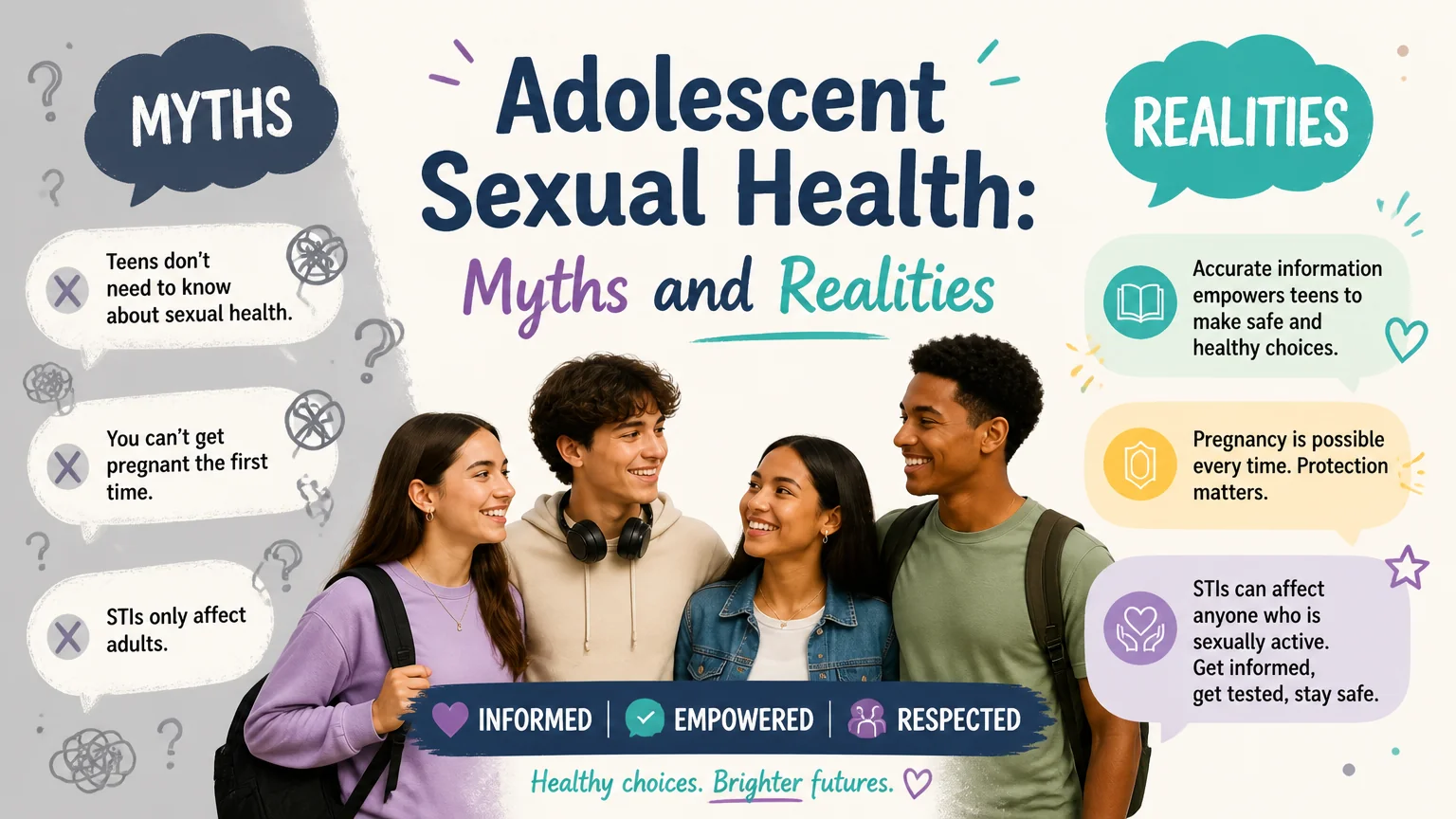
Adolescent sexual health: myths and realities - sexual education adolescents
Adolescence brings a series of physical, emotional, and social changes that directly impact sexual health. It’s normal to feel doubts, curiosity, and some insecurity about one’s own intimacy. Having accurate information and a safe space to ask questions can make the difference between healthy decisions and unnecessary risks. Here, we clearly and approachably address what’s important to know about the body, desire, relationships, and prevention.
During puberty, signs such as the development of sexual organs, hormonal changes, and the emergence of attraction to others appear. These processes are accompanied by intense emotions: confusion, euphoria, embarrassment, or fear. It’s essential to recognize that all these feelings are normal and that there are tools to manage them. Learning to understand your own body, recognize the signs of desire, and accept your personal boundaries are vital steps toward a healthy sexuality.
Understanding how your body works helps you make informed decisions. Guilt-free self-exploration allows you to recognize what feels good and what doesn’t. Additionally, understanding the menstrual cycle, ejaculation, and other physiological aspects facilitates communication with a partner and the search for appropriate birth control methods.
Romantic relationships during adolescence are often intense and ever-changing. Learning to manage jealousy, emotional dependence, or peer pressure is part of growing up. It’s also important to recognize signs of unhealthy relationships—such as control, manipulation, or violence—and to know how to ask for help.
Comprehensive sex education is key. It’s not just about anatomy or birth control methods, but also about rights, consent, diversity, and infection prevention. Evidence-based education reduces unplanned pregnancies, lowers the risk of sexually transmitted infections, and promotes relationships based on respect.
There are many myths that can confuse young people and families. Debunking them helps people make safe decisions.
Fact: Pre-ejaculate may contain sperm, and there is a risk of pregnancy. Additionally, there are risks of infection if condoms are not used or if there are no adequate diagnostic tests.
Fact: Most methods are reversible and do not affect long-term fertility. Some temporary side effects may occur, but consulting a healthcare professional allows you to choose the most appropriate option.
Fact: Sex education does not encourage sexual activity; on the contrary, it enables people to make more informed and safer decisions and promotes delaying risky behaviors.
Fact: Anyone who is sexually active can contract infections if they do not use adequate protection or get tested. Prevention and access to treatment are essential.
There are many options for preventing pregnancy and reducing the risk of infections. Learning about them and consulting with a healthcare professional allows you to choose based on your age, health, and personal circumstances. Male or female condoms are the only barrier method that simultaneously protects against pregnancy and many sexually transmitted infections. Other methods, such as the pill, the patch, the ring, or the IUD, are effective at preventing pregnancy but do not protect against STIs.
In addition to these methods, it is important to have regular medical checkups, get tested for infections, and receive recommended vaccinations, such as the HPV vaccine, which protects against certain types of viruses associated with cancer and genital warts.
Consent is the foundation of any healthy sexual relationship: it must be free, informed, reversible, and enthusiastic. No one should feel pressured to do something they don’t want to do. Learning to ask for and respect boundaries is essential. A healthy relationship is built on open communication, trust, and mutual respect—without pressure, emotional blackmail, or physical or psychological violence.
Mental health influences how we experience our sexuality. Anxiety, depression, or traumatic experiences can affect desire and decision-making. Seeking professional support when emotions interfere with daily life is a sign of self-care. It’s also important to understand that rejection, having sex for the first time, or a breakup can be emotionally intense experiences that require time—and sometimes outside help—to process.
If you have concerns, are experiencing discomfort, face risks, or are in situations involving violence, there are resources available. Health centers, teen clinics, hotlines, and nonprofit organizations often offer free and confidential counseling. In many places, there are services specifically for young people that provide access to contraception, STI testing, and psychological support. Talking to a trusted professional or a responsible adult can open the door to appropriate information and care.
Taking care of your sexual health during adolescence involves staying informed, communicating, and making informed decisions. Recognizing myths, understanding prevention options, respecting consent, and accessing health resources are essential steps. There are no silly questions: seeking reliable information and professional support when needed is a sign of responsibility and maturity toward your own well-being. Sexuality can be a positive and safe part of life if approached with respect, knowledge, and self-care.