For Onlinecourses55
|
2026-10-29
Gender identity and sexual orientation in adolescence - sexual education adolescents
Understanding identity and orientation is pivotal during adolescence. To provide thoughtful support, look into a comprehensive course related to navigating adolescent sexuality and self-discovery, enriching your awareness and approach.
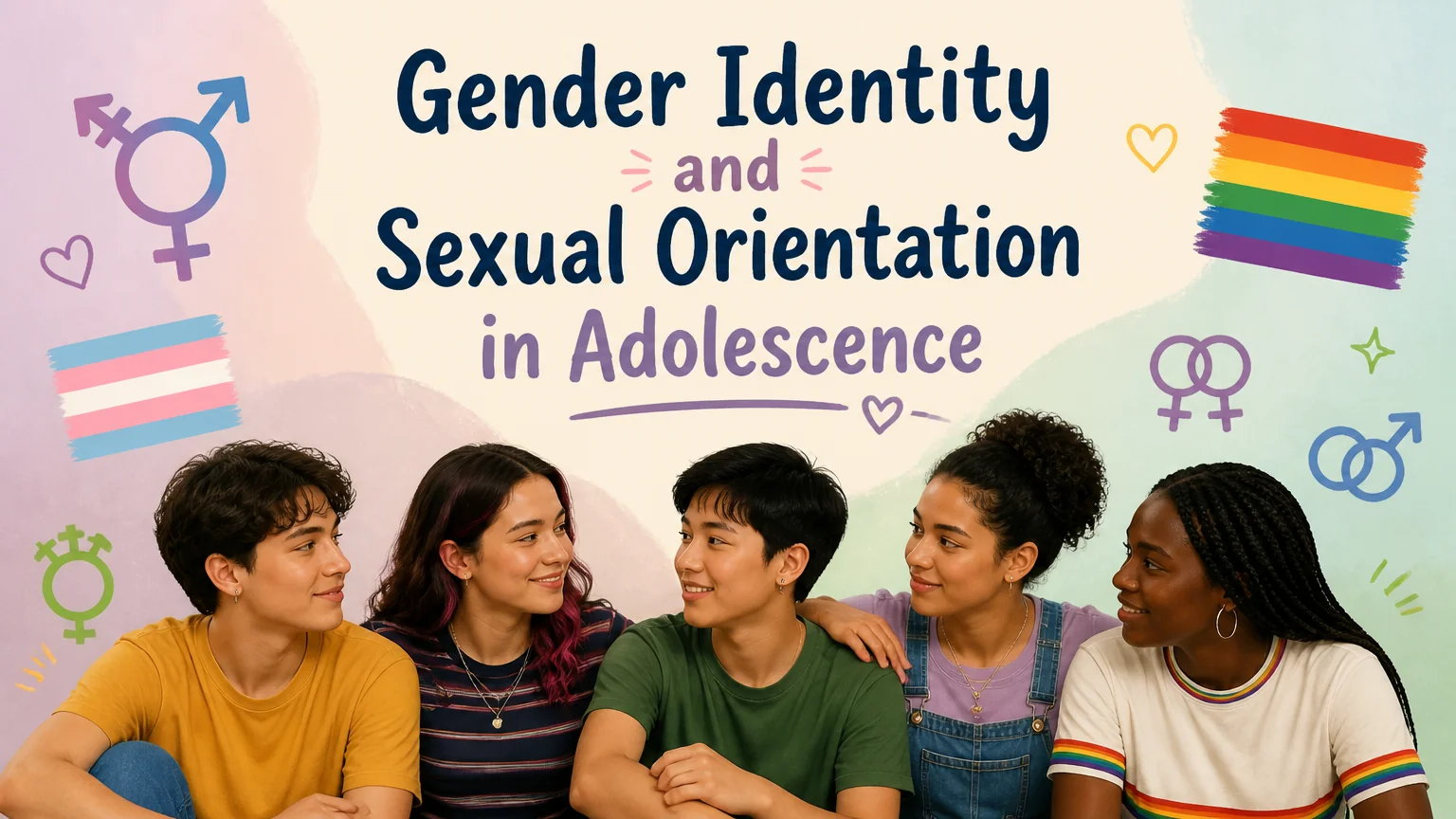
During adolescence, important questions arise about who we are and how we relate to others. It’s common for young people to explore their sense of self and experiment with different ways of expressing their personality. Among these issues are aspects related to one’s internal sense of belonging to a gender and emotional or sexual attractions toward other people. Understanding the differences between these components helps us guide and support those who are experiencing doubts or self-discovery.
Identity refers to the deep, internal perception of whether someone feels like a man, a woman, a combination of both, neither, or something else. Orientation, on the other hand, refers to whom people are emotionally or sexually attracted to: they may be attracted to people of the opposite sex, the same sex, multiple genders, or may not experience sexual attraction at all.
Adolescence is a stage of physical, emotional, and social changes that prompts questions about identity and attraction. The influence of friends, social media, cultural role models, and puberty itself can intensify the need to understand oneself. Some young people clearly express how they feel from an early age; others explore these feelings over long periods or discover them gradually.
There is no definitive list of signs because every person is unique, but there are recurring questions that help identify when a young person is reflecting on their identity or orientation. These doubts may manifest as curiosity about labels, experimenting with appearance or gender roles, feeling attracted to unexpected people, or avoiding labels for fear of being judged.
The immediate environment is crucial for emotional well-being. A supportive environment that listens and validates reduces the risk of anxiety, depression, and risky behaviors. Support does not mean agreeing with all of the young person’s decisions, but rather accompanying them, respecting their process, and ensuring their safety. At school, inclusive policies, respectful affective-sexual education, and anti-discrimination protocols improve the environment for everyone.
Respectful communication is key. Starting with open-ended questions, validating emotions, and offering reliable information helps build trust. Avoiding lectures or downplaying their feelings keeps the dialogue open. If you don’t know something, it’s okay to admit it and commit to learning together.
There are many resources available to guide families and young people: health centers with staff trained in adolescent health, community organizations, helplines, and reliable educational materials. Professional intervention can be helpful when there is intense confusion, social rejection, or risks to emotional well-being. A competent professional works without prejudice, respects the adolescent’s autonomy, and collaborates with the family when appropriate.
It is important to understand the rights that protect young people’s privacy and self-determination, which vary by country and age. In many places, there are regulations governing access to health services and protection against discrimination. Understanding the local legal framework helps in making informed decisions about the use of names, medical treatments, or procedures that require consent.
Maintaining healthy habits is essential: adequate sleep, a balanced diet, physical activity, and social support. Exploring one’s identity and sexual orientation can be a source of stress, so self-care practices and strategies for managing anxiety are valuable. It’s also key to reduce exposure to hostile messages on social media and seek out supportive communities.
Adolescence is a time of discovery and learning when questions about identity and attraction can arise with great intensity. Providing guidance with respect, information, and support reduces risks and promotes healthy development. There is no single “correct” path: what matters is that every young person can explore in a safe environment, with access to resources and people who will listen without judgment.
Search
Popular searches