For Onlinecourses55
|
2026-10-26
Bodily consent for people with intellectual disabilities and asd - sexuality asd disability
For insights on teaching bodily autonomy and consent with empathy, take a look at this specialized course designed to enhance understanding of sexual rights for those with autism and intellectual disabilities.
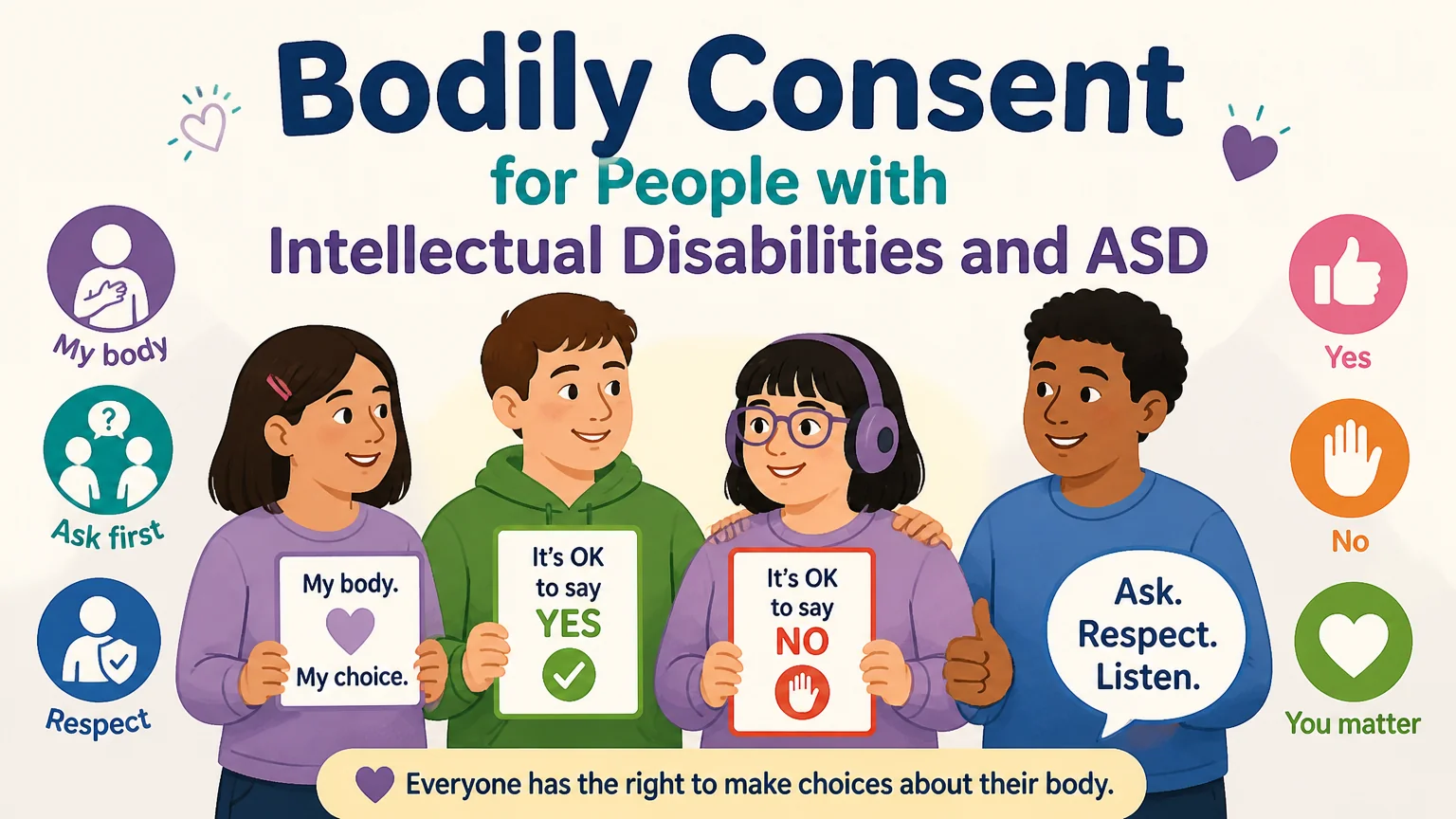
Bodily consent is a person’s ability and right to decide who may touch them, how, and when. For many people with intellectual disabilities or Autism Spectrum Disorder (ASD), this ability exists but may require support and explicit instruction. Understanding consent involves recognizing verbal and nonverbal cues, respecting personal boundaries, and accepting the right to change one’s mind at any time. It is important to distinguish the concept of permission for everyday interactions from the idea of submission or automatic compliance.
When working on consent with people with intellectual disabilities or ASD, it is best to start with clear and simple principles. Respect, clarity, and repetition are essential. Use accessible language, support learning with visual aids, and adapt the pace to the individual. Autonomy is strengthened when real choices are offered and the person’s voice regarding their bodily experience is validated. The environment also plays a role: safe and predictable spaces make it easier for the person to express their boundaries.
Strategies should be simple, concrete, and repetitive. Using social stories, pictograms, and role-playing exercises allows for practice in everyday situations. Starting with safe and predictable forms of contact helps build trust: greetings, hugs among family members with prior consent, or holding hands for activities. Incorporating specific questions such as “Would you like a hug right now?” and offering alternatives if the answer is no makes it easier to express preferences.
People with ASD may have difficulty reading social cues and understanding nonverbal communication, so adaptations should emphasize clarity and predictability. Clear routines regarding physical contact and the use of alternative consent cues will help reduce anxiety. Additionally, issues such as sensory processing are relevant: some people may seek physical contact, while others avoid it due to sensory discomfort. Recognizing and respecting these differences is part of consent.
Validating a “no” is just as important as teaching someone to ask for permission. When a person says “no,” accept it without pressuring them, thank them for their honesty, and offer an alternative if appropriate. It is crucial to avoid reinforcing persistence to change the decision, as well as to avoid punishing them for setting boundaries. Sometimes a “no” can be ambiguous; in those cases, it is best to ask clearly and offer specific options to make the choice easier.
Key adults have a responsibility to create environments where consent is practiced and respected. This involves teaching consistently, modeling respectful behaviors, and protecting the person’s autonomy. Training in augmentative communication, behavior management, and sexual rights is necessary to provide adequate support. Additionally, teams must coordinate to maintain consistent messages and strategies across all contexts.
Consent regarding one’s own body has legal implications: every person has the right to physical integrity and protection from abuse. In cases of intellectual disability, laws may require additional protective measures, but these must not invalidate the ability to exercise rights. It is essential to document supports, decisions, and accommodations, and to ensure that any limitations are proportionate, temporary, and reviewed periodically. Ethics require that the person’s voice be prioritized to the greatest extent possible.
To implement consent programs, it is helpful to have personalized visual materials, brief guides for caregivers, and safe spaces for practice. Seeking support from occupational therapists, specialized educators, and mental health professionals will enrich these strategies. It is also advisable to involve the person in creating their own signals and supports, so that they feel their preferences are taken into account.
Working on bodily consent with people with intellectual disabilities and ASD requires patience, creativity, and a clear commitment to human rights. It is not just about preventing risks, but about empowering each person to have control over their own body and relationships. With clear instruction, appropriate supports, and consistent respect, people can develop skills that allow them to communicate their boundaries, make informed decisions, and experience safer and more fulfilling relationships.
Search
Popular searches