For Onlinecourses55
|
2026-10-30
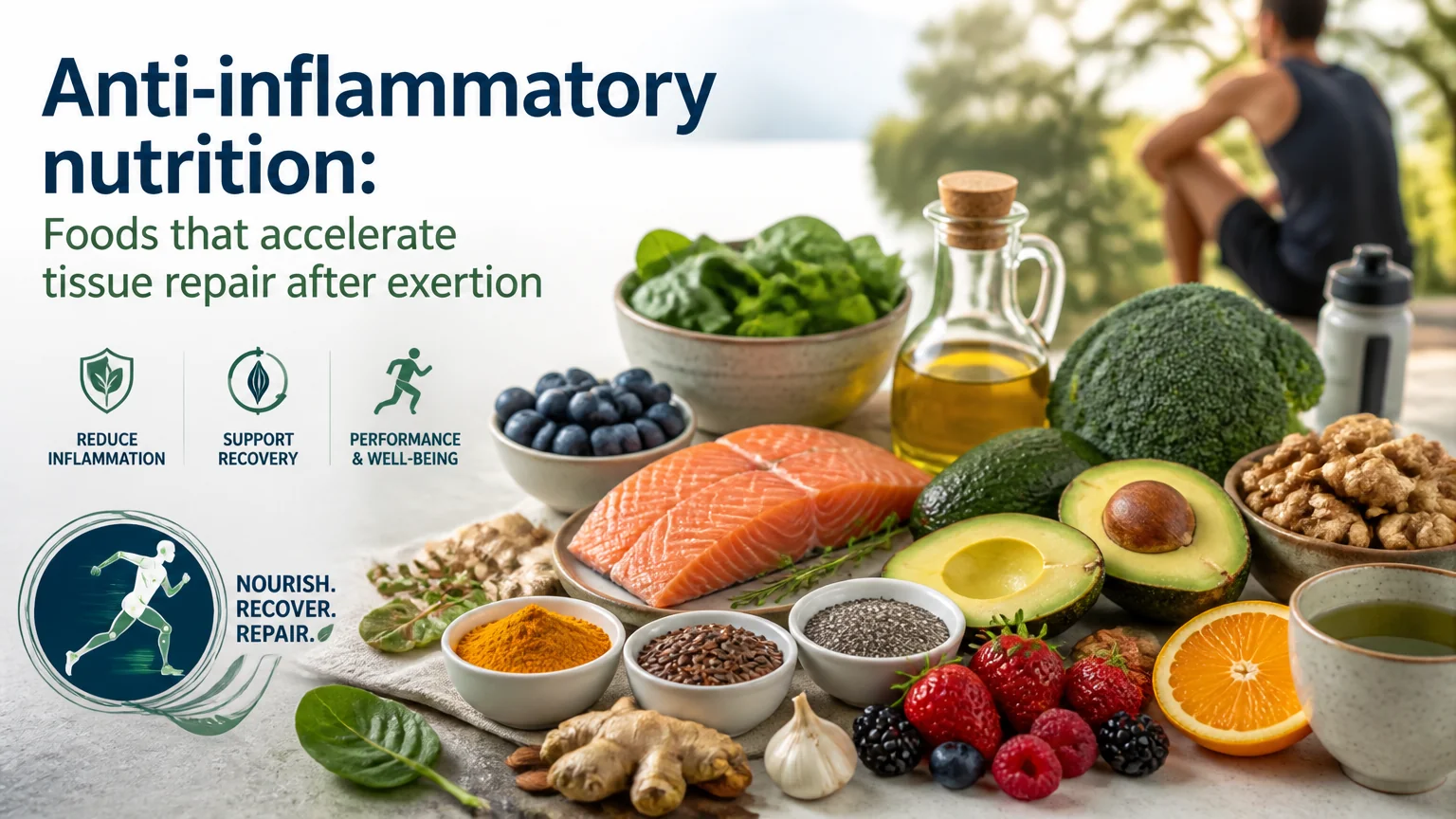
Anti-inflammatory nutrition: foods that accelerate tissue repair after exertion - sports coach
Managing post-exertion inflammation is crucial for recovery. Gain insights into nutritional strategies through a comprehensive course for aspiring sports coaches that emphasizes recovery.
After intense exertion, the body activates an inflammatory response necessary to repair microlesions, remove waste and adapt to perform better. The key is not to “turn it off,” but to channel it: reduce excessive inflammation and provide materials and signals that accelerate the regeneration of muscles, tendons and connective tissues. A well-designed anti-inflammatory nutritional strategy does just that: it modulates the response, replenishes energy stores and supplies amino acids, healthy fats, antioxidants and minerals involved in tissue synthesis and remodeling.
Training produces microdamage in muscle fibers and supporting tissues. In response, cytokines, blood flow and immune activity increase: this is acute inflammation, a useful process that initiates repair. When the diet is poor in nutrients, high in ultra-processed foods or energy is not replenished in time, that inflammation can become prolonged, increasing pain, fatigue and lengthening recovery times. Managing it with appropriate foods helps to: shorten stiffness, control oxidative stress, restore glycogen and promote the synthesis of structural proteins such as actin, myosin and collagen. It is not about “blocking” inflammation, but about providing the nutritional context for it to perform its function efficiently.
Proteins provide essential amino acids that activate muscle synthesis (especially leucine) and supply building blocks for connective tissues. As a general guideline, many people who train benefit from 1.6–2.2 g/kg/day, distributed in 3–4 servings with 20–40 g per meal. Sources: eggs, fish, fermented dairy, legumes, tofu/tempeh and lean meats. For tendons and ligaments, collagen or gelatin together with vitamin C before or after exercise may support endogenous collagen formation. Combining it with citrus juice or kiwi optimizes its use.
Replenishing glycogen reduces protein catabolism and modulates stress hormones. After demanding sessions, prioritize complex carbohydrates and some fast-absorbing options: potato, sweet potato, rice, oats, ripe fruit and whole-grain bread. In very long efforts, a common guideline is 1–1.2 g/kg in the first hour post-workout, accompanied by protein. For moderate sessions, including a portion of quality carbohydrate in the subsequent meal is sufficient.
Appropriate fats lower inflammatory markers and support cell membranes. Standouts are omega-3 EPA/DHA from fatty fish (salmon, sardine, mackerel) and ALA from walnuts, chia and flax. Extra virgin olive oil (EVOO), avocado and nuts add polyphenols and tocopherols. Reduce pro-inflammatory refined oils (soy, corn, sunflower high in omega-6) and frequent fried foods.
After exertion, prioritize fluids and a protein + carbohydrate combo within 1–2 hours. Later, have a complete meal with a variety of vegetables and healthy fats. Distribute protein throughout the day to sustain synthesis.
Cellular repair depends on good hydration status. Sip water regularly and replace sodium, potassium and magnesium after heavy sweating. Options: water with a pinch of sea salt and lemon juice, vegetable broth, unsweetened coconut water or homemade isotonic drinks. Avoid excess alcohol, which delays recovery.
Before supplementing, consult a healthcare or nutrition professional, especially if you take medication or have medical conditions.
With consistency, this anti-inflammatory foundation not only reduces post-exercise discomfort: it also strengthens tissues, improves long-term performance and makes each training session “worth double.” Start by filling your plate with colors, choosing smart fats, prioritizing quality protein and respecting timing: your body will do the rest.
Search
Popular searches