
Differences Between Physical Activity, Exercise, and Sport
Compare everyday activity, planned exercise, and competitive sport: definitions, requirements, and examples that distinguish wellness from formal training.
Watch Video For Onlinecourses55
|
2026-11-06
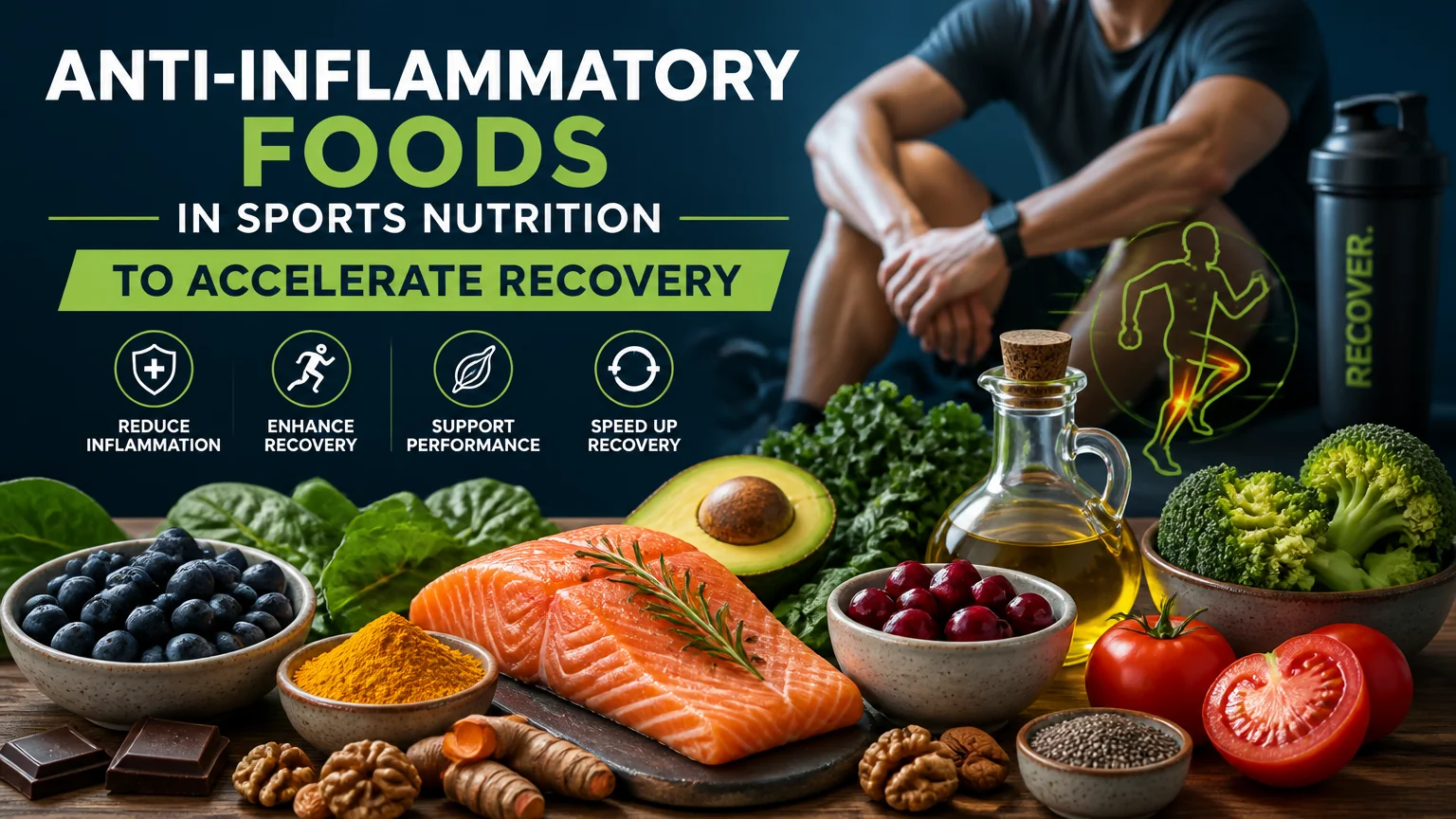
Anti-inflammatory foods in sports nutrition to accelerate recovery
To truly enhance your recovery and performance, consider the approach provided in this comprehensive nutrition course for athletes that offers valuable insights and strategies to leverage your nutritional habits effectively.
Inflammation is a natural response to muscle damage and training stress. In the right measure, it facilitates repair and adaptation. However, when it remains elevated or becomes chronic, it can delay recovery, increase soreness and decrease performance. Adjusting the diet to favor compounds with anti-inflammatory effects helps modulate that response, accelerating tissue regeneration, decreasing soreness and optimizing adaptations to training without overriding the stimulus signal needed to improve.
The goal is not to eliminate inflammation completely, but to balance it. An effective strategy includes:
Omega-3s, found in salmon, mackerel, sardines, chia seeds and flaxseeds, reduce the production of pro-inflammatory mediators and promote inflammation resolution pathways. Including servings of fatty fish 2-3 times per week or vegetable sources daily helps to improve the quality of cell membranes and decrease muscle soreness after intense sessions.
Blackberries, blueberries and cherries contain antioxidants that neutralize free radicals generated by intense exercise. In addition, sour beers and cherry juice in concentrate have been shown to reduce muscle damage and post-workout soreness. Consuming one serving of red fruits a day or a smoothie with these fruits after exercise may be helpful.
The curcumin in turmeric and the gingerols in ginger act on inflammatory pathways such as NF-kB and COX, reducing inflammatory markers and relieving pain. Can be used in marinades, smoothies or infusions; curcumin is best absorbed with healthy fats and black pepper.
Olive oil provides monounsaturated fatty acids and polyphenols with anti-inflammatory effects. Nuts (walnuts in particular for their omega-3 alpha-linolenic omega-3 content) offer healthy fats, fiber and micronutrients that contribute to a more controlled inflammatory response. Incorporating them into salads, yogurts or as a snack is convenient.
Spinach, kale, broccoli and collards contain vitamins, minerals and sulfur compounds that support detoxification and reduce oxidative stress. They are also sources of fiber that support a healthy microbiota, which indirectly modulates systemic inflammation.
Green tea is rich in EGCG, a potent antioxidant that can attenuate inflammation and improve recovery. Drinking a cup a day or using extracts in moderation may be a useful addition to the nutrition strategy.
Plain yogurt, kefir, sauerkraut and kimchi support a balanced microbiota. A healthy gut produces fewer systemic pro-inflammatory signals and improves the absorption of key nutrients for recovery, such as B vitamins and vitamin K.
Mix protein powder, a cup of berries, a scoop of flax seeds, a pinch of turmeric and water or vegetable drink. Quick, rich in antioxidants and essential fatty acids.
Green leaves, tomatoes, cucumber, a portion of grilled salmon, a handful of walnuts and olive oil dressing with lemon and grated ginger. Complete, balanced and anti-inflammatory.
Consistency is more important than huge doses at one time. Consume moderate servings daily: 1-2 servings of fatty fish per week or vegetable sources of omega-3 daily, 1 cup of red fruits per day, a tablespoon of olive oil raw at meals and a serving of vegetables at each meal. For spices such as turmeric, incorporating one teaspoon daily in meals or smoothies may be enough to see a cumulative effect.
Some supplements or foods may interact with medication (anticoagulants, for example) or may not be appropriate for people with certain conditions. Likewise, excessively reducing inflammation with pharmacological anti-inflammatory drugs just after intense workouts may interfere with adaptations; therefore, the dietary strategy seeks a natural balance. Consultation with a health or sports nutrition professional for questions, allergies or specific needs is always recommended.
Incorporating foods with anti-inflammatory properties not only reduces discomfort after demanding workouts, but also facilitates recovery and improved performance in the medium and long term. The key is to choose natural and varied foods, maintain an adequate protein and caloric intake and distribute these foods throughout the day. With small, sustained changes - more fish, red fruits, spices such as turmeric and ginger, olive oil, vegetables and fermented foods - you can optimize muscle regeneration and feel a faster and more effective recovery.
Do you prefer learning by watching and listening? Expand your knowledge with these free videos related to this topic.
Compare everyday activity, planned exercise, and competitive sport: definitions, requirements, and examples that distinguish wellness from formal training.
Watch VideoExplore how recreational athletes, amateurs, and professionals differ in traits, motivation, and demands—and tailor training plans and goals to each level.
Watch VideoExplore how technical and tactical demands vary across individual, team, and extreme sports, and adapt discipline, communication, and nutrition to each one.
Watch VideoSearch
Popular searches