For Onlinecourses55
|
2026-11-09
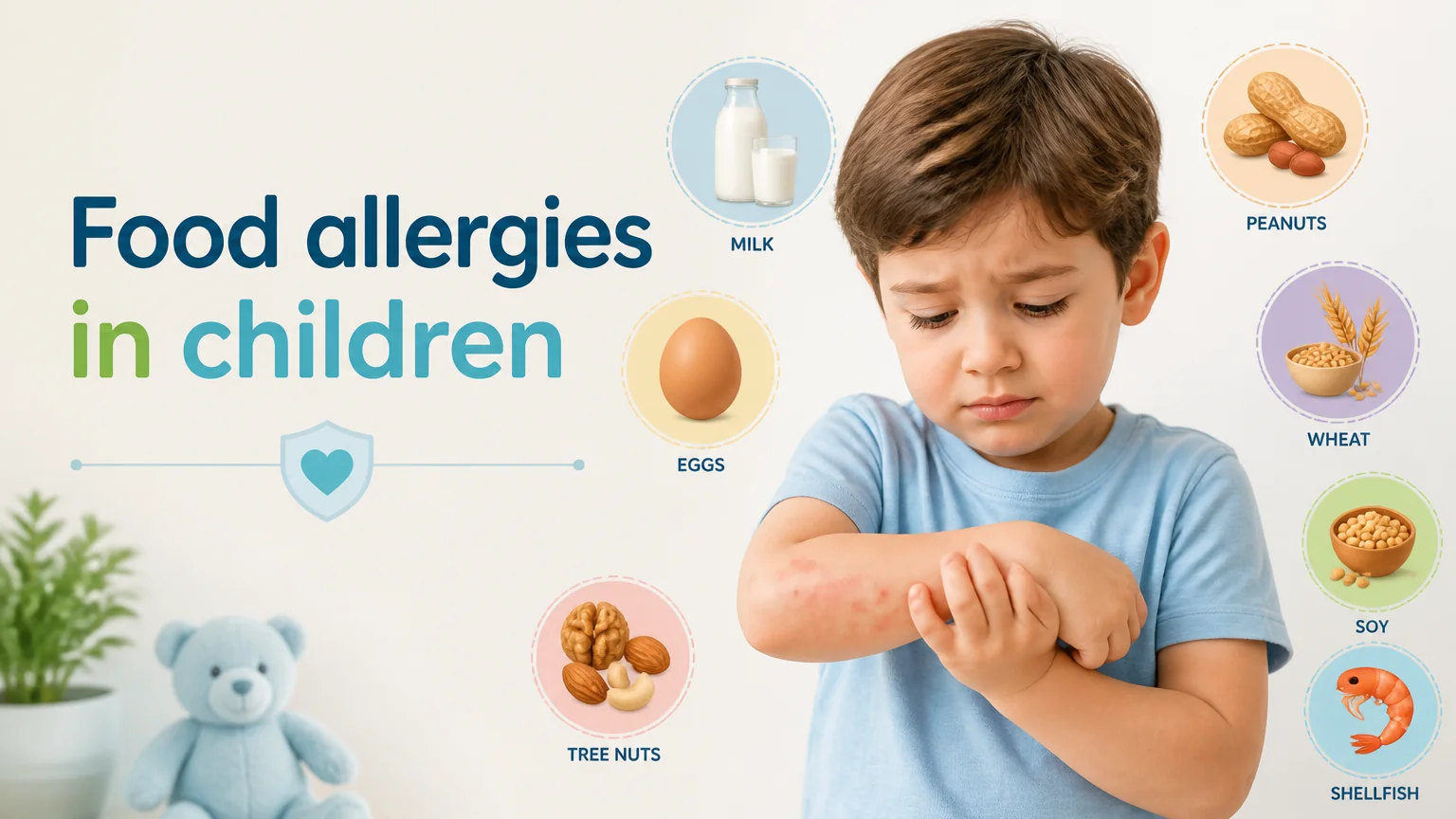
Food allergies in children
If you are concerned about food allergies affecting your children, enrolling in this critical course on children and food allergies can offer you peace of mind and essential knowledge for their protection.
Hello, moms and dads! If you are reading this, you are likely concerned about a possible food allergy in your children. Don't worry, you are in the right place. In this article, we are going to dive into the world of food allergies in children, explaining everything you need to know to protect your little ones. From symptoms to treatment and prevention, we will cover it all!
Well, let's start with the basics. What exactly is a food allergy? In simple terms, it is an exaggerated reaction of the immune system to a specific food. Think of the immune system as your body's army, ready to defend it from invaders. In the case of a food allergy, the immune system mistakenly identifies a harmless food as a threat and launches an attack.
It is easy to confuse a food allergy with a food intolerance, but they are very different things. A food allergy involves the immune system and can be life-threatening. A food intolerance, on the other hand, usually causes digestive discomfort but is not life-threatening. For example, lactose intolerance is common and can cause bloating and gas but does not trigger an immune response.
When someone with a food allergy consumes the food they are allergic to, the immune system releases chemicals such as histamine. These chemicals can cause a variety of symptoms, from rash and itching to difficulty breathing and shock.
Now, let's talk about the most common culprits. What foods tend to trigger allergies in children?
Here are the "Big Eight" food allergens that account for approximately 90% of all allergic reactions:
While the previous eight are the most common, virtually any food can cause an allergy. Other foods that sometimes cause allergies include:
Symptoms of a food allergy can range from mild to severe. It is important to watch out for any signs that your child might be having an allergic reaction.
These symptoms may include:
Anaphylaxis is a severe allergic reaction that can be life-threatening. It requires immediate medical attention!
Symptoms of anaphylaxis may include:
If your child experiences any of these symptoms, use the epinephrine auto-injector (EpiPen) immediately and call 911 (or your local emergency number)!
If you suspect your child has a food allergy, it is important to consult an allergist. They can perform tests to determine if your child is allergic to a specific food.
In a skin prick test, a small amount of the suspected allergen is placed on the skin, usually on the arm or back. The skin is then pricked to allow the allergen to enter. If your child is allergic, they will develop a red, swollen wheal at the test site.
A blood test can measure the amount of food-specific IgE (immunoglobulin E) antibodies in your child's blood. Elevated IgE levels suggest an allergy.
An elimination diet involves removing the suspected food from your child's diet for a period of time to see if symptoms improve. Then, the food is gradually reintroduced to see if symptoms return. This must be done under the supervision of a doctor!
The main treatment for food allergies is avoiding the allergen.
This may seem obvious, but avoiding the allergen requires diligence and attention. Read food labels carefully, be cautious when eating away from home, and communicate with your child's caregivers and school about the allergy.
Medications can help relieve the symptoms of an allergic reaction.
Antihistamines can help relieve mild to moderate symptoms, such as rash, itching, and runny nose.
Epinephrine is the first-line treatment for anaphylaxis. It comes in the form of an auto-injector (EpiPen) and must be administered immediately if your child experiences symptoms of anaphylaxis. Make sure you know how to use the auto-injector correctly!
Oral Immunotherapy (OIT) is a treatment where the child is gradually given small amounts of the allergen to help desensitize them. This treatment must be performed under the supervision of an allergist!
Prevention is key when dealing with food allergies.
This is one of the most important things you can do! Read food labels every time, even if you have purchased the same product before. Ingredients can change. Look for "may contain" or "produced in a facility that also processes" statements if your child has a severe allergy.
Ensure that everyone who cares for your child, including teachers, caregivers, and friends, knows about the allergy and how to handle a reaction.
Work with your child's allergist to create an allergy action plan. This plan should include information about which foods to avoid, the symptoms of a reaction, and how to treat a reaction.
Raising a child with food allergies can be a challenge, but you are not alone.
It is important to provide emotional support for your child. Food allergies can be stressful and frustrating, especially for children. Help them understand their allergy and develop coping skills.
Many resources are available to help parents raise children with food allergies. Some resources include:
Food allergies in children can be frightening, but with the right information and tools, they can be managed effectively. Remember, you are your child's advocates! Stay informed, be proactive, and work closely with your child's medical team. You can help your child live a full and healthy life despite their allergies!
Can my child outgrow a food allergy?: Yes, some children outgrow their food allergies over time, especially milk and egg allergies. However, allergies to peanuts, tree nuts, fish, and shellfish are usually lifelong.
Is it safe for my child to try common allergenic foods like peanuts at an early age?: The latest research suggests that early introduction of allergenic foods, such as peanuts, may help prevent the development of allergies. Talk to your child's pediatrician about the right time to introduce these foods.
How can I protect my child from cross-contamination at school or parties?: Communication is key. Talk to school staff and party hosts about your child's allergy and the precautions that should be taken to avoid cross-contamination. Always pack your child's lunches and snacks to ensure they have safe options.
What should I do if I suspect my baby has a food allergy?: Consult with your pediatrician. They can refer you to an allergist for testing and proper diagnosis.
Can I pass food allergies on to my child?: Food allergies tend to run in families, but it does not necessarily mean your child will develop the same allergy as you. If both parents have allergies, the risk of your child developing allergies is higher.
Do you prefer learning by watching and listening? Expand your knowledge with these free videos related to this topic.
Search
Popular searches