🕒 10:23
 For Onlinecourses55
|
2026-10-21

10 myths about sexuality and faith that every christian community should know - education sexual christian
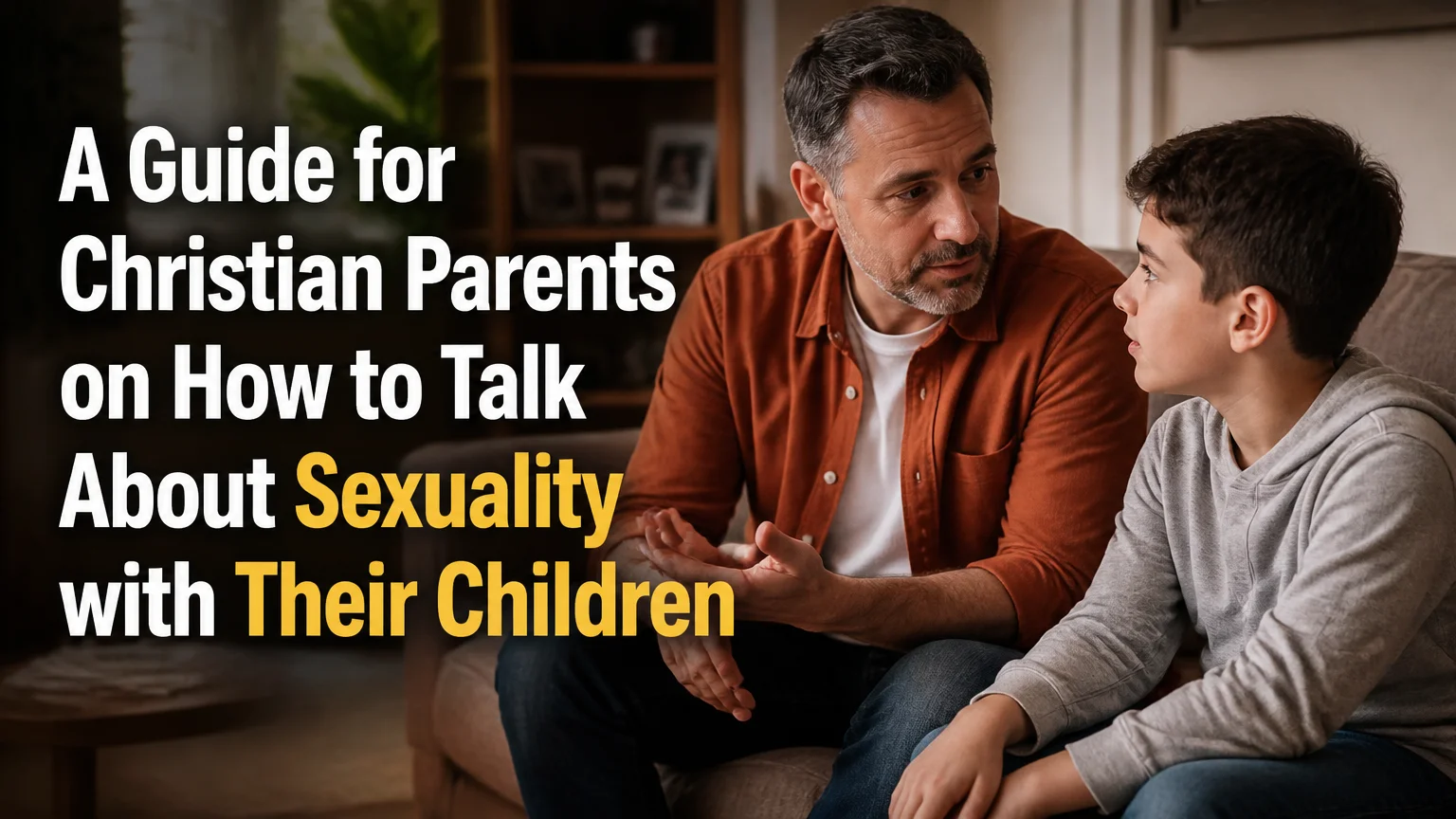
To challenge misconceptions with compassion and deepen your understanding, explore a thoughtful course in Christian sexual education and bring a more informed, caring perspective to conversations about faith and sexuality.
In many religious communities, conversations about sexuality are often surrounded by doubts, prejudices, and unquestioned assumptions. Debunking myths is not an attack on faith, but rather a search for clarity and compassion to support people from an informed and caring perspective. Below are common beliefs that should be examined with a critical and pastoral spirit to build healthier and more respectful spaces.
There is a belief that any expression of sexuality is inherently evil. However, many religious traditions distinguish between desire itself and actions that harm others. Sexuality is part of the human experience and can be lived as something meaningful and sacred when expressed with responsibility, consent, and love. Automatically considering it sinful breeds shame and hinders pastoral care.
There is a tendency to assert that only a marital relationship between a man and a woman is legitimate for the expression of sexuality. This stance excludes real and diverse situations: there are couples who share deep commitments outside of formal marriage, single people who express their affection in a mature way, and people with diverse sexual orientations. It is important to distinguish between community norms and complex human realities and to provide support with empathy.
Some argue that talking about sex in school or in the community encourages experimentation. The evidence shows the opposite: comprehensive sex education informs, prevents risks, and helps people make responsible decisions. Providing age-appropriate information does not corrupt; rather, it protects and empowers young people and adults to act with awareness and respect for themselves and others.
Another common myth downplays pleasure or associates it solely with lust. On the contrary, recognizing pleasure as part of an intimate relationship can strengthen emotional and affective bonds. Denying it creates taboos and hinders honest communication between partners. Pleasure, when approached with responsibility and mutual care, is not necessarily at odds with spiritual values.
Sexual dysfunction or a lack of desire is often interpreted as a character flaw. This overlooks medical, psychological, relational, or contextual causes. A compassionate approach seeks professional diagnosis and support when necessary, avoiding blame that increases suffering and hinders the search for solutions.
Some believe that an authentic spiritual life requires denying bodily needs. However, many spiritual traditions encourage respect for the body as a temple and the integration of body, mind, and spirit. Constant repression can cause psychological harm and unhealthy relationships; a mature faith accompanies and heals, rather than repressing in a destructive way.
Believing that sexual orientation is a conscious decision and therefore a punishable “sin” leads to discrimination. Most scientific studies and the lived experiences of many people indicate that sexual orientation is an inherent part of one’s identity. Treating it as a choice leads to harmful practices such as conversion therapy, which has been shown to be damaging.
In some communities, silence has become the norm to protect reputations, which has enabled abuse. While traditions may value discretion, it is essential to distinguish between protecting the integrity of the community and covering up harm. Moral responsibility demands that we speak out and protect victims, prioritizing safety and truth.
Promoting abstinence as the only alternative does not prepare people to handle intimate situations or to recognize risks. For some, abstinence is a valid and valuable choice; for others, it is not. Offering tools for education, dialogue, and support allows each person to choose autonomously and responsibly, without imposing a single model.
Believing that faith alone will resolve sexual problems can prevent people from seeking professional help. Spiritual life can be an important resource for supporting healing processes, but it does not replace specialized medical, psychological, or therapeutic care when there are dysfunctions, traumas, or crises. A comprehensive response combines spiritual support and professional care.
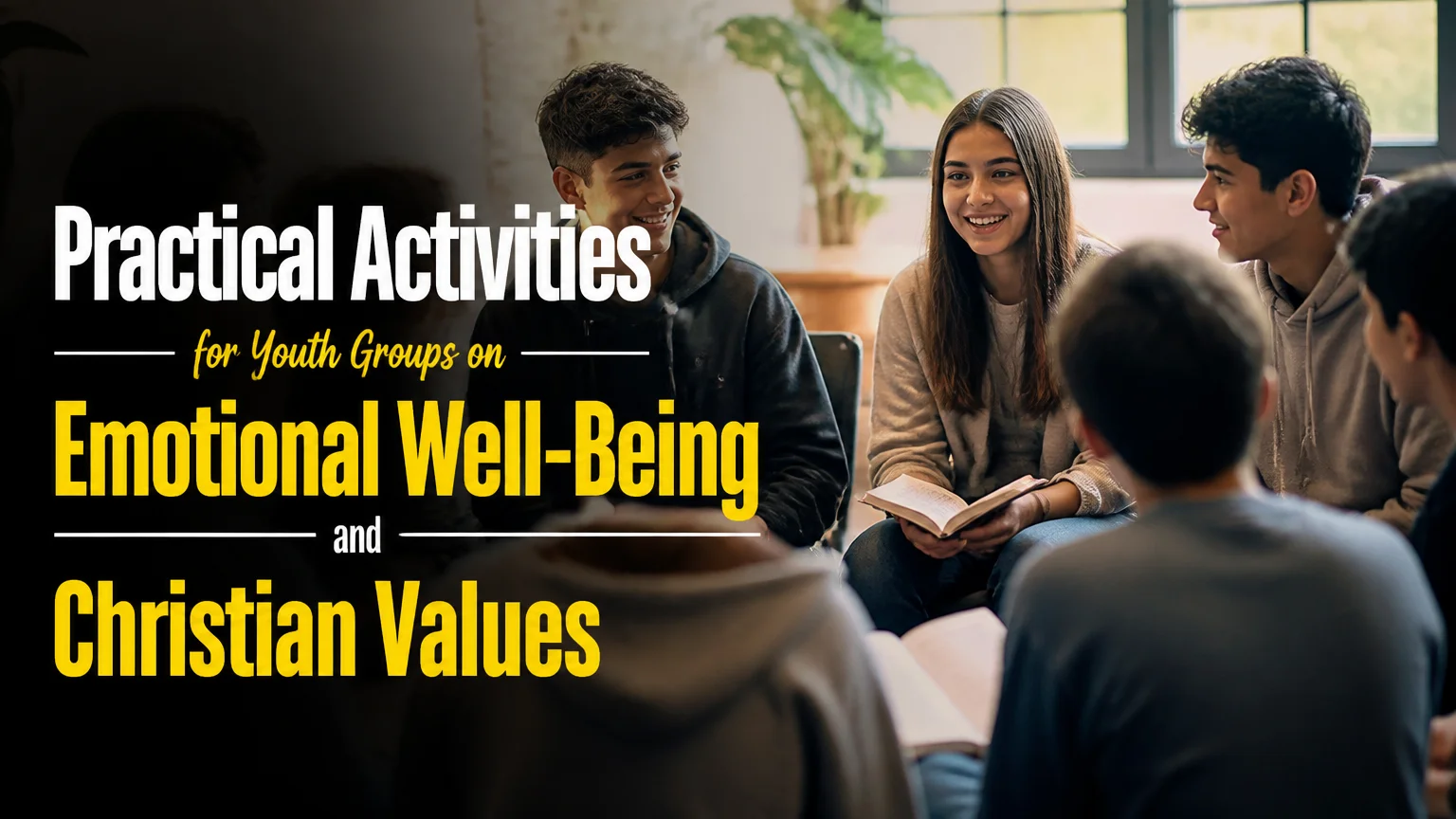
Dismantling misconceptions requires a sensitive and respectful approach. It is not about imposing new certainties, but rather about facilitating spaces for dialogue, education, and support. Some practical guidelines may be helpful:
Talking about sexuality and faith requires sensitivity, information, and the courage to question what is repeated out of tradition rather than reflection. By analyzing these myths, we open the door to supporting people with greater tenderness and truth, integrating care for the body, mind, and spirit. A community that educates, listens, and protects allows sexuality to cease being a taboo subject and become part of a fulfilling and responsible life.
Lorem ipsum, dolor sit amet consectetur adipisicing elit. Repellendus vero suscipit eos libero, aut minus debitis nobis quia porro ad ea nesciunt sed nulla est quod enim, iusto incidunt assumenda.
Search
Popular searches