🕒 10:23
 For Onlinecourses55
|
2026-10-21

How to design a christian sex education curriculum for adolescents - education sexual christian
To shape a curriculum that balances accurate health information with Christian values, explore this course in Christian sexual education and gain practical guidance for supporting adolescents with care and confidence.
Designing a Christian-based sex education curriculum for adolescents requires clear objectives, pastoral sensitivity, and a didactic structure that respects religious convictions without sacrificing scientific information, ethical guidance, and practical skills. Below is an outline organized by key areas to facilitate its implementation in educational and parish communities.
Before defining content and activities, it is important to establish the principles that will guide the entire curriculum: respect for human dignity, a holistic view of the person, an emphasis on healthy emotional relationships, the protection and promotion of health, and consistency with Christian values. The objectives should be specific, measurable, and age-appropriate; for example: promoting self-care, developing decision-making skills, and facilitating an understanding of sexuality as a personal, relational, and spiritual dimension.
Integrating biblical foundations does not mean replacing scientific information, but rather framing it within a vision consistent with the faith. It is important to avoid moralizing interpretations that generate guilt; instead, we should promote a theology of corporeality that values the body as a gift and sexuality as a relational dimension oriented toward the common good and responsible love.
Organizing the curriculum by age and level of maturity facilitates pedagogical progression. It is essential that each stage have clear objectives, appropriate content, and methods that foster respectful participation.
A participatory and respectful methodology maximizes learning. Sessions should combine information, ethical reflection, skill development, and safe spaces for addressing questions. Maintaining a confidential and nonjudgmental environment is essential for adolescents to express themselves freely.
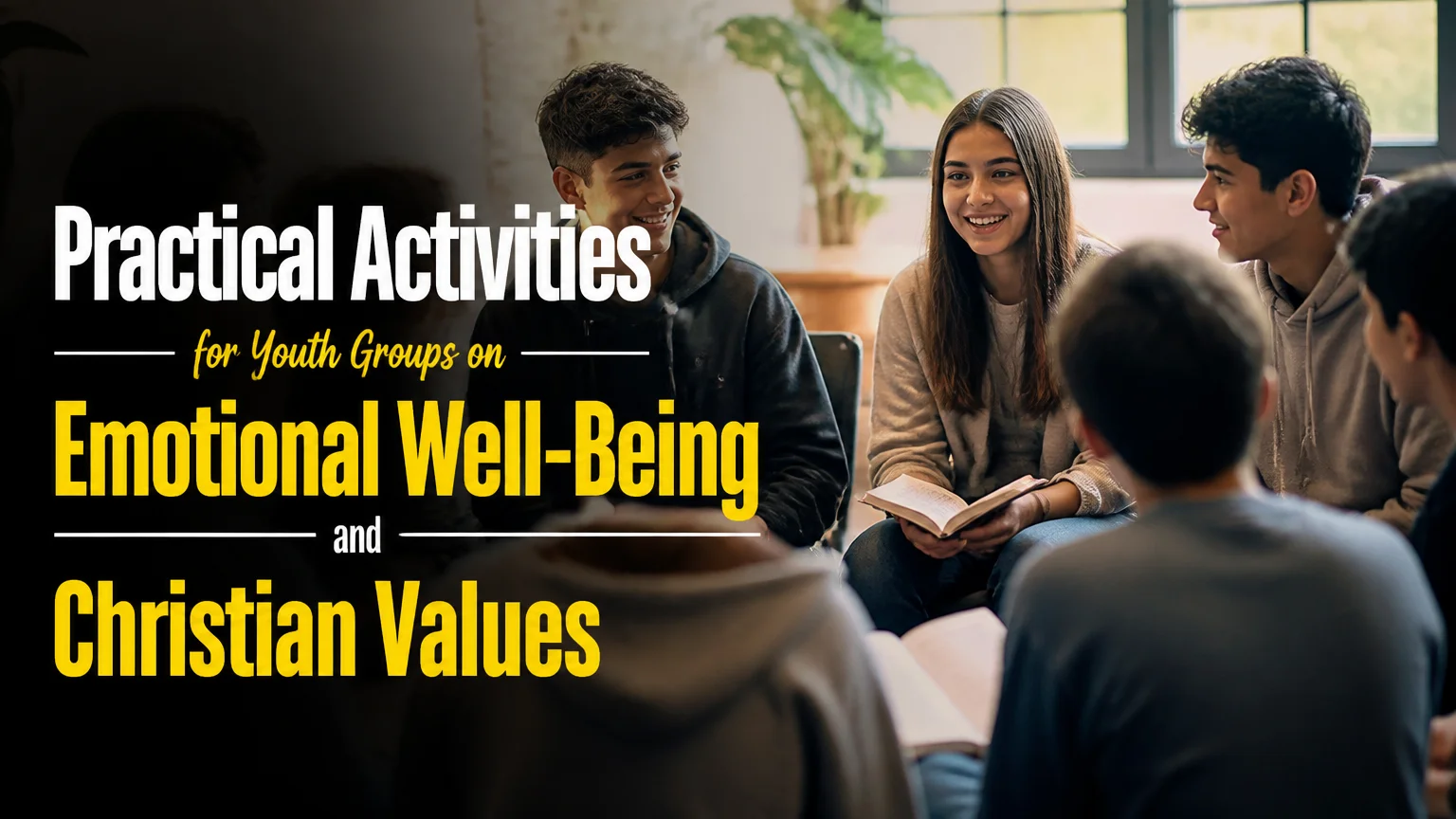
Activities should be varied and age-appropriate, ranging from creative exercises to simulations that allow participants to practice skills.
Assess not only the acquisition of knowledge but also the development of skills and attitudes. Assessment can be formative, with ongoing feedback, and summative in final projects that demonstrate the integration of knowledge.
Facilitators need specific training: up-to-date scientific knowledge, teaching skills, and pastoral sensitivity. There must also be support channels for complex cases and clear protocols for situations involving abuse or risk.
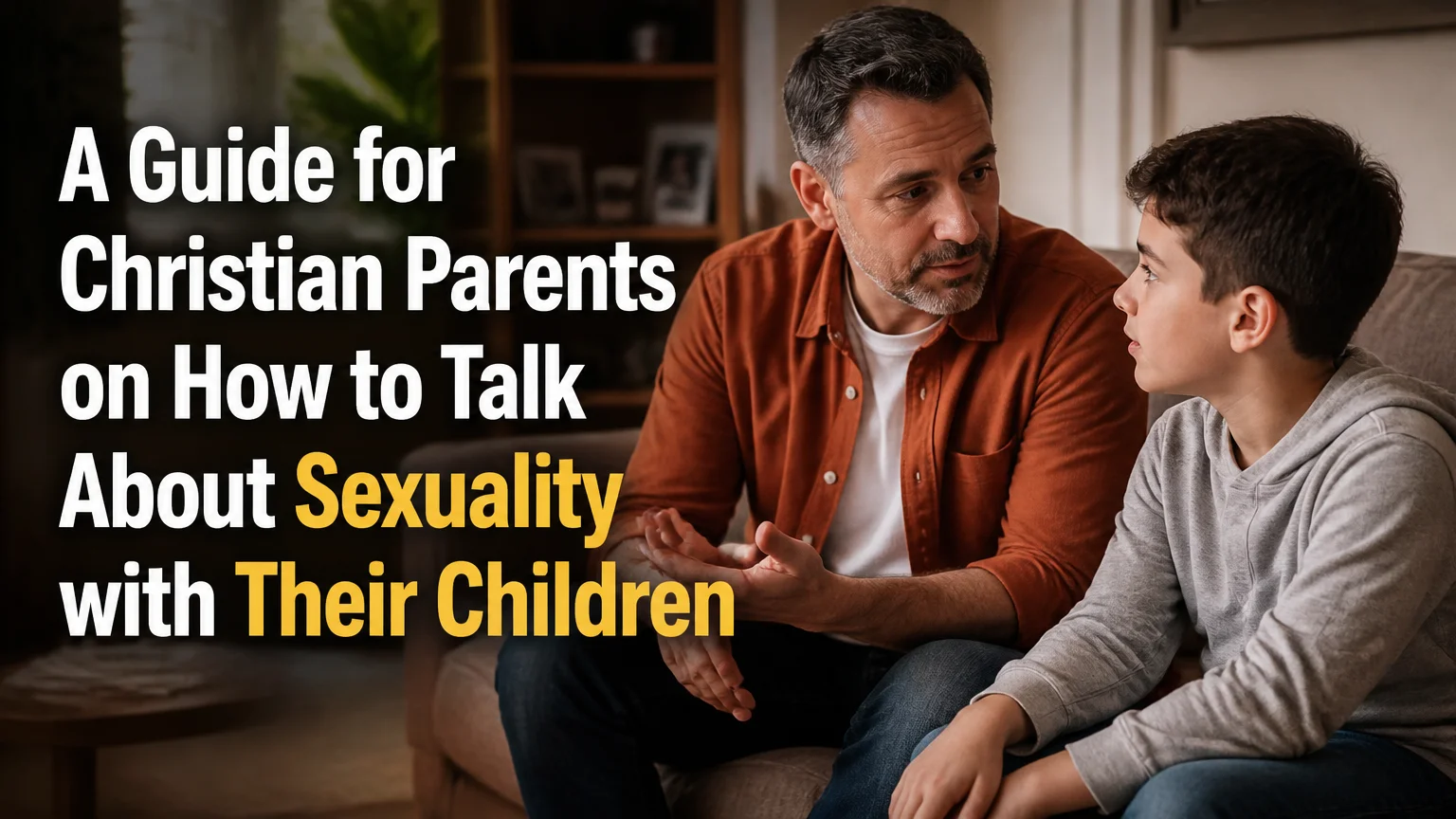
Networking with families and the community reinforces learning and ensures consistency between what is taught and the young person’s environment. It is important to offer training opportunities for parents and caregivers that promote open dialogue and help them address sensitive topics.
The curriculum must comply with current regulations regarding education and the protection of minors. Protocols must be in place for detecting and reporting situations of abuse, and informed consent must be ensured when necessary.
A well-designed curriculum balances scientific knowledge, emotional support, and faith-based principles to help adolescents become responsible, informed, and respectful individuals. The key lies in consistency between what is taught and community practices, ongoing training for educators, and the creation of safe spaces where young people can grow holistically.
Lorem ipsum, dolor sit amet consectetur adipisicing elit. Repellendus vero suscipit eos libero, aut minus debitis nobis quia porro ad ea nesciunt sed nulla est quod enim, iusto incidunt assumenda.
Search
Popular searches