Practical activities for youth groups on emotional well-being and christian values - education sexual christian
As your youth group builds trust, empathy, and faith-centered guidance, explore a course in Christian sexual education to help young people make informed, values-led choices.
Why Work on Emotional Well-Being and Values in a Group Setting
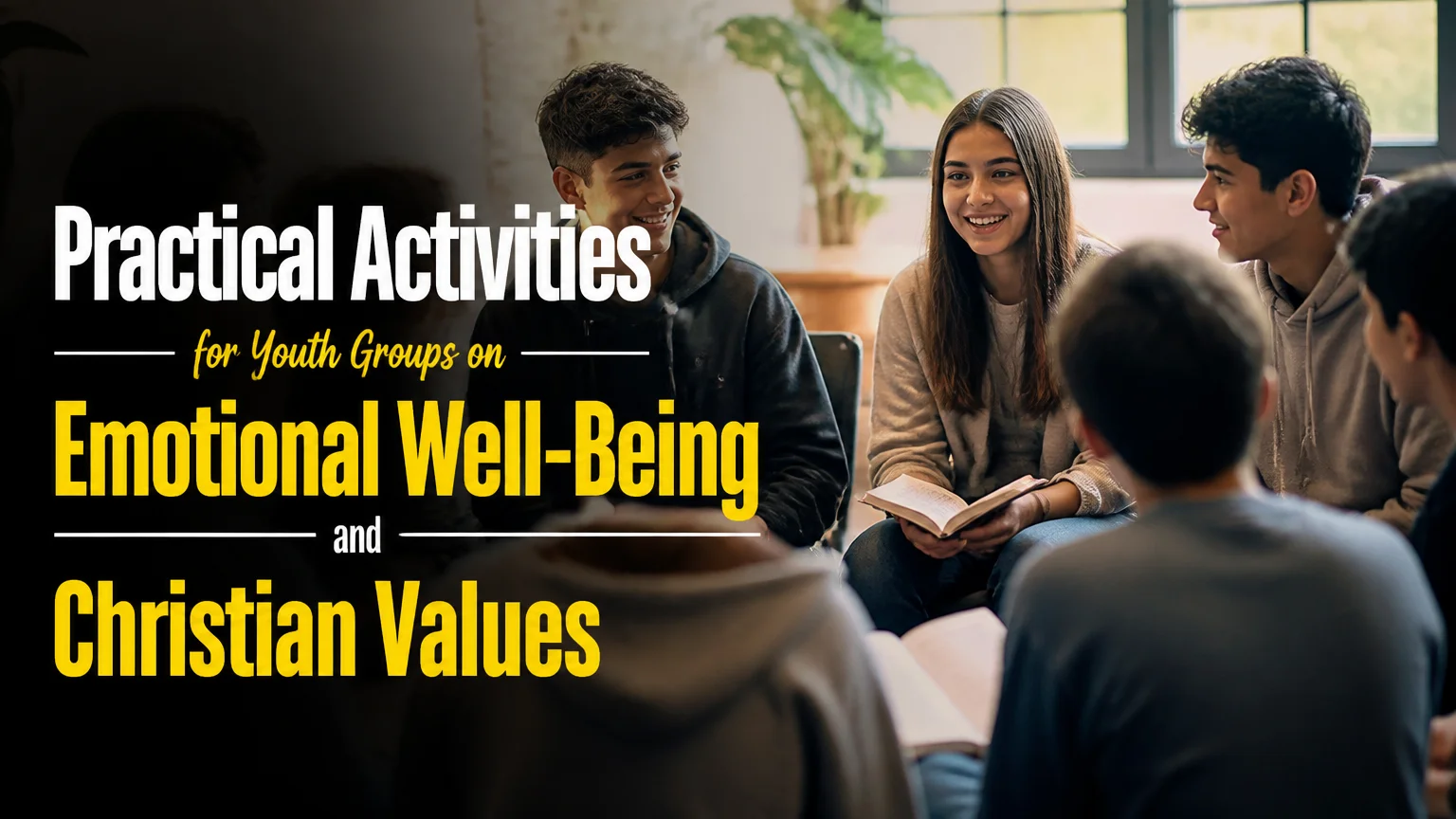
Strengthening emotional well-being and Christian values in a youth group is not just about conveying concepts, but about creating experiences that touch the heart and influence daily life. Practical activities help young people live out these values, reflect on them, and apply them in their surroundings. A participatory approach fosters commitment, empathy, and personal and community responsibility.
General Objectives
- Foster the ability to listen and empathy among participants.
- Promote attitudes consistent with Christian values such as respect, humility, forgiveness, and service.
- Create safe spaces for emotional expression and spiritual reflection.
- Encourage practical engagement with the community through concrete actions.
Opening Activities: Building Trust and Openness
Icebreakers through shared stories
Time: 20–30 minutes. Format: in a circle. Objective: to foster active listening and mutual understanding.
- Ask each young person to share a brief personal story in which they felt love, support, or learned a moral lesson.
- After each person speaks, a peer summarizes the story in one sentence and offers a word of encouragement.
- The facilitator reinforces the importance of listening without judgment and expresses gratitude for the participants’ vulnerability.
Words That Nourish
Time: 15–20 minutes. Format: rotating pairs. Objective: to practice sincere praise and recognition.
- In pairs, each person has two minutes to name three qualities they admire in the other.
- Rotate the pairs so that everyone receives and gives recognition.
- Conclude with a brief group reflection on how praise strengthens the community.
Core Activities: Experiencing Values
Role-play: Decisions with Consequences
Time: 40–60 minutes. Format: small groups. Objective: to encourage ethical decision-making and empathy.
- Prepare everyday scenarios (for example: dealing with rumors, sharing resources, helping someone who is excluded).
- Each group chooses or is assigned a scenario and acts out two versions: one based on a selfish decision and the other on a decision rooted in Christian love.
- Reflect afterward on how those involved feel and what consequences both decisions had.
The Forgiveness Bench
Time: 30–45 minutes. Format: circle. Objective: to work on personal and communal forgiveness.
- Place an empty chair in the center: the “bench.” Each participant may, if they wish, step forward and speak aloud about a wrong they need to forgive or for which they need to ask forgiveness.
- The others respond with a supportive remark and a brief prayer if the group deems it appropriate.
- Conclude with a symbolic gesture (learning to write a letter, a collective prayer, or a communal hug) that emphasizes reconciliation.
Service Workshop: Community Plan
Time: planning session + action at a later date. Objective: to transform values into concrete service.
- Divide the group into teams to identify local needs (assistance for the elderly, cleaning public spaces, support for vulnerable families).
- Each team prepares a plan with tasks, materials, and dates. Encourage active participation and shared responsibility.
- After the action, conduct a group evaluation of the impact and the emotions experienced.
Creative Activities: Expressing Emotions
Values Murals
Time: 60–90 minutes. Format: large group. Objective: to visually express commitments and reflections.
- Provide kraft paper, paints, newspapers, and markers. Each subgroup creates a panel on a value (compassion, honesty, service).
- Include Bible verses, brief testimonies, and personal commitments written by the young people.
- Display the murals in the group’s space as a daily reminder and source of encouragement.
Letters to the Future
Time: 30–40 minutes. Format: individual. Objective: to envision emotional and spiritual growth.
- Each young person writes a letter to themselves one year from now, describing character goals, attitudes to improve, and Christian commitments.
- Collect the letters to be delivered at a future date or store them in a sealed envelope.
- Offer the option to include a brief closing prayer and a specific action to begin making changes today.
Leader’s Guide: Atmosphere and Language
- Foster a safe and respectful atmosphere: establish clear guidelines regarding confidentiality and mutual respect.
- Use inclusive and approachable language, avoiding lecturing; prioritize open-ended questions that invite reflection.
- Adapt activities to the group’s emotional maturity and be attentive to signs of discomfort or the need for pastoral support.
- Prepare alternatives for young people with mobility challenges, anxiety, or shyness, offering less visible roles if necessary.
Evaluation and Follow-Up
Assessing impact involves more than just measuring attendance; it also means observing changes in how participants interact with one another and in their day-to-day decisions. Practical suggestions:
- Conduct brief surveys before and after a series of activities to gauge perceptions of empathy, trust, and commitment.
- Hold monthly follow-up meetings to share testimonies and adjust service initiatives.
- Involve families and the community in specific actions to create support networks that sustain the changes.
Final Tips for Maintaining Momentum
- Alternate dynamic activities with moments of silence and prayer to ensure a holistic experience.
- Promote youth leadership by allowing young people to design and lead activities under adult supervision.
- Celebrate small achievements: publicly acknowledge acts of service, gestures of forgiveness, and changes in attitude.
- Remember that learning about emotions and values is a gradual process: patience, consistency, and guidance bring about greater transformation than a single lesson.


 For Onlinecourses55
|
2026-10-27