An Anthropological Conception and the Value of the Person
Learn to unite biological and spiritual dimensions in educational practices that foster holistic growth, identity, empathy, and emotional maturity in learners.
Watch Video For Onlinecourses55
|
2026-11-11
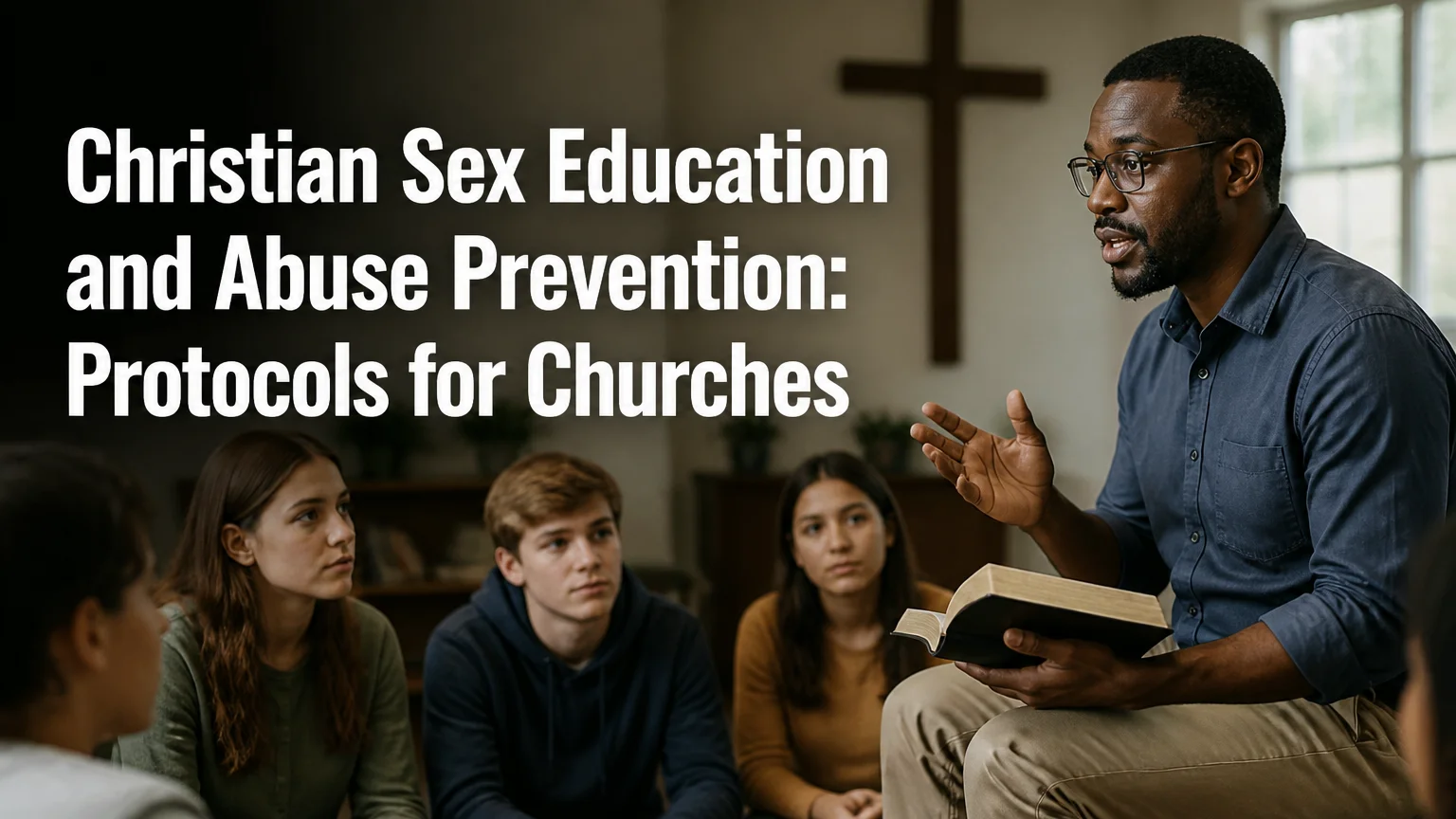
Christian sex education and abuse prevention: protocols for churches
To build compassionate, faith-centered safeguarding practices, explore a course in Christian sexuality education and strengthen your approach to prevention, dignity, and pastoral care.
Faith communities have a clear responsibility: to protect their most vulnerable members while offering teaching and guidance based on Christian principles. Education about sexuality and abuse prevention should not be taboo topics, but rather an integral part of pastoral care and community formation. A responsible approach combines ethical convictions with practical protocols to reduce risks, detect warning signs, and care for those who have been harmed. Below are ideas and concrete steps for developing processes that protect children, youth, and adults within the framework of faith and Christian accompaniment.
The protection of human dignity and the promotion of mutual respect are consistent with Christian teaching. Discussing sexuality from a faith perspective involves recognizing the complexity of the human person: body, emotions, and spirit. Education must be grounded in love and responsibility, avoiding condemnation but without downplaying behaviors that endanger the well-being of others. Integrating pastoral care with clear protocols enables the community to act with compassion and justice when situations of abuse arise.
A clear program should pursue practical and measurable goals. These include:
Protocols must be based on clear principles that guide daily decisions and practices.
Activities involving minors require clear and visible public policies: the presence of more than one responsible adult, a record of activities, and protocols for accessing facilities. Transparency reduces opportunities for abuse and builds trust among families.
Everyone who works with children and youth must receive regular training in abuse prevention, recognizing warning signs, and the initial handling of reports. Training is not optional; it is a measure of community care.
Establish guidelines regarding physical contact, digital communication, and private meetings. These guidelines must be known to leaders, volunteers, young people, and parents. Respecting boundaries protects both potential victims and those who serve in the church.
A clear and accessible protocol helps ensure swift and consistent action. Essential components:
Acting promptly and sensitively can make a difference in the well-being of the person affected. Recommended steps:
The quality of leadership directly influences the culture of protection. Practical measures:
The most effective education involves the family and respects its role in a child’s upbringing. Strategies:
A protocol is not static; it requires review and adaptation. Recommendations for maintaining its effectiveness:
Protecting people within the community requires combining ethical conviction with concrete action. Implementing respectful sex education, prevention protocols, and a clear response plan is an act of love and pastoral responsibility. With adequate training, transparency, and the commitment of leaders and families, the church can be a safe environment where people can grow in dignity and respect. The journey involves discipline, humility in learning, and a willingness to always prioritize the well-being of the most vulnerable.
Do you prefer learning by watching and listening? Expand your knowledge with these free videos related to this topic.
Learn to unite biological and spiritual dimensions in educational practices that foster holistic growth, identity, empathy, and emotional maturity in learners.
Watch VideoLearn to foster connection and an inclusive culture in schools through active listening, emotional validation, respect for diversity, and psychological safety.
Watch VideoLearn to promote shared parenting, recognize and support diverse families at school, and use critical ethical judgment on trends that threaten human dignity.
Watch VideoSearch
Popular searches