Understanding the Difference Between Instructing and Leading
Lead your classroom through self-leadership: manage emotions, model consistent behavior, and teach resilience by demonstrating your own inner regulation.
Watch Video For Onlinecourses55
|
2026-11-15

The Future of Education: The Coach's Role in 21st-Century Schools
As educational needs evolve, the role of a coaching facilitator becomes essential; discover how a program in coaching methodologies in education can position you as a catalyst for change.
The school is undergoing a profound transformation: more diverse students, technologies that accelerate the information available, new demands from the labor market, and a growing awareness of emotional well-being. In this context, a figure emerges that accompanies people and processes without imposing recipes: the educational coach. More than an accessory role, it becomes a catalyst for change that connects pedagogical vision with everyday classroom practice. Its mission is to enhance capabilities, align goals, and turn continuous improvement into a shared culture. This text outlines its added value, its tools, the competencies it requires, and a clear plan to integrate it into schools that seek to advance without losing sight of people.
Technological acceleration, information overload, and increasing diversity in the classroom demand flexible, collaborative, and evidence-based approaches. The development of competencies such as critical thinking, self-regulation, and collaboration is as important as content. At the same time, pressure for results can generate stress and fragmentation. Here, professional accompaniment that links vision, practice, and well-being makes the difference. Working with clear goals, high-quality feedback, and systematic review of what works offers a way to improve without falling into passing fads. The key is to transform each classroom into a learning laboratory where data, reflection, and empathy guide decisions.
The value does not lie in telling people what to do, but in building professional capacity so that each teacher, team, and student can deploy their best version with autonomy.
When observation and feedback are integrated into daily practice, improvement ceases to depend on heroic individual effort and becomes a shared, measurable, and humane process.
Support promotes meaningful learning experiences that connect with interests, contexts, and personal goals. Thus, academic results improve alongside socio-emotional well-being, an essential combination for long-term success.
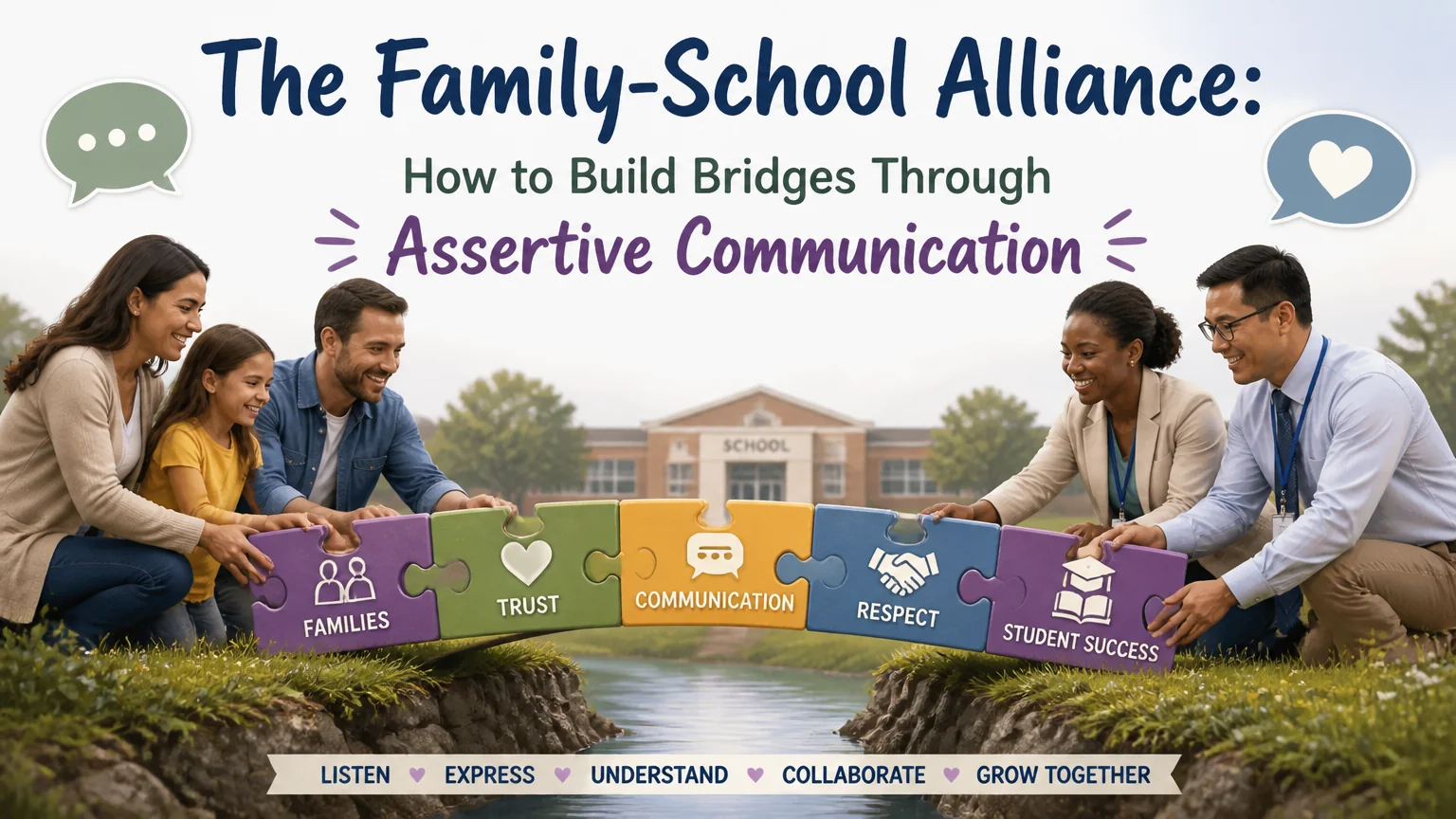
Learning does not end at the classroom door. Facilitating communication with families and community stakeholders enhances coherence between home and school. Coaching can drive clear communication protocols, brief workshops focused on practical strategies, and spaces for active listening. When the community understands the rationale behind methodologies, it reduces resistance and becomes an ally. Additionally, coordinating external resources (libraries, cultural centers, social projects) expands opportunities for authentic learning, which strengthen motivation and a sense of belonging.
The priority is that tools adapt to people and not the other way around. The essentials: clarity of objectives, operational simplicity, and focus on real impact.
These competencies are not acquired all at once: they are built through deliberate practice, supervision, and continuous training.
Implementation works best when it is aligned with the educational project, communicated transparently, and planned in phases.
Anticipating obstacles allows for designing realistic supports. The goal is not to do more, but to do better what matters.
Working in short stretches, with clear goals and constant review, facilitates early wins that build confidence and give traction to the process.
The education to come demands professionals capable of uniting pedagogy, technology, and the care of people. Professional support that enhances teacher autonomy and student agency is a strategic lever to achieve this. It's not about adding one more task, but about reorganizing collective effort around what truly transforms: clear goals, observable practices, honest feedback, and continuous learning. With this foundation, each school can become a community that learns, adapts, and flourishes in the face of the challenges of its time.
Do you prefer learning by watching and listening? Expand your knowledge with these free videos related to this topic.
Lead your classroom through self-leadership: manage emotions, model consistent behavior, and teach resilience by demonstrating your own inner regulation.
Watch VideoBring your personal and professional selves into class to connect authentically with students, use mindful vulnerability, and make learning a lived experience.
Watch VideoTurn discomfort into a signal of growth and learn to use micro-steps that prevent mental blocks and transform your classroom with sustainable changes.
Watch VideoSearch
Popular searches