Women's empowerment: keys to leadership and autonomy - gender equality

onlinecourses55.com For Onlinecourses55 | 2026-11-04
Women's empowerment: keys to leadership and autonomy - gender equality


Women's empowerment: keys to leadership and autonomy - gender equality

Delve into the multi-dimensional concept of female empowerment and learn how equipping women reduces inequality for a more just society.

Female empowerment is a multifaceted concept that goes beyond simple gender equality. It involves equipping women with the tools, resources and the confidence necessary to take control of their lives, influence the decisions that affect them and reach their full potential, both personally and professionally. In a world that still struggles with entrenched inequalities, understanding and fostering female empowerment is crucial to building a more just, equitable and prosperous society for all.

What Does Female Empowerment Really Mean?

Female empowerment is not just a trend or a political slogan; it is a deep and transformative process that spans diverse dimensions of life. It means having access to education, healthcare, economic opportunities and political participation. It means having the freedom to choose one's own path, to make informed decisions and to live a life free from violence and discrimination.

Essentially, female empowerment is about:

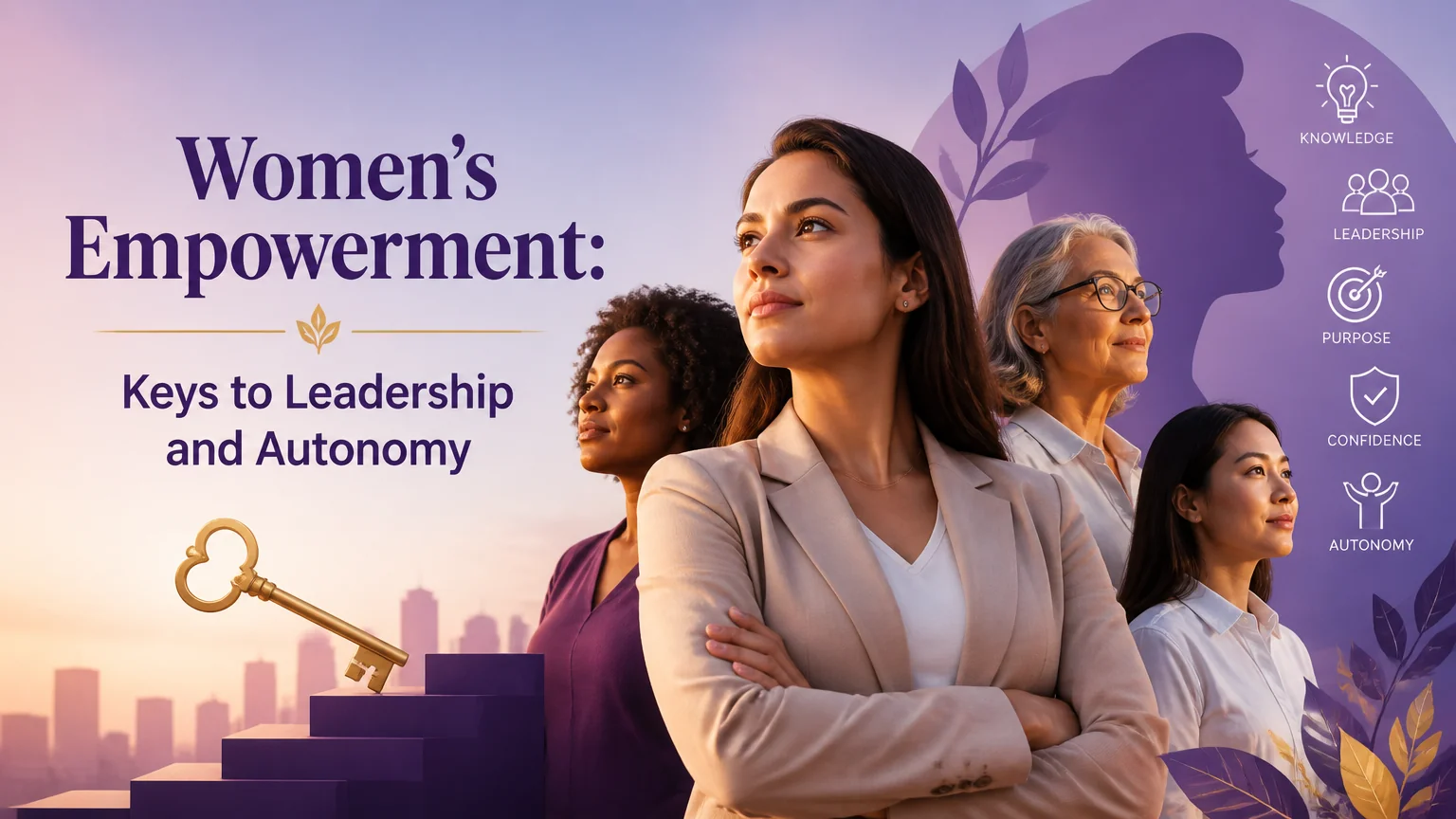
  • Autonomy: The ability to make independent decisions and control one's own resources.
  • Confidence: Believing in one's own worth and having the assurance that goals can be achieved.
  • Knowledge: Access to information and education to make informed decisions.
  • Power: The ability to influence decisions that affect one's own life and those of others.
  • Freedom: The absence of restrictions and limitations that hinder personal and professional development.

Keys to Effective Female Leadership

Female leadership is vital for creating more inclusive, innovative and resilient organizations and communities. Women leaders bring unique perspectives, exceptional communication skills and a collaborative approach that can transform organizational culture and generate positive outcomes.

Developing Leadership Skills:

Leadership is not an innate trait; it is a set of skills that can be developed and honed over time. Some keys to cultivating effective female leadership include:

  • Assertive Communication: Express ideas clearly, directly and respectfully.
  • Emotional Intelligence: Understand and manage one's own emotions as well as those of others.
  • Strategic Thinking: Analyze complex situations, identify opportunities and develop plans to achieve goals.
  • Decision Making: Assess different options and make informed, responsible decisions.
  • Effective Delegation: Trust others and assign tasks appropriately.
  • Mentoring and Networking: Seek mentors who can offer guidance and support, and build a strong network of professional contacts.

Overcoming Barriers and Challenges:

Despite the progress made in recent years, women still face numerous obstacles to accessing leadership positions. These challenges include:

  • Unconscious Biases: Deep-rooted beliefs and stereotypes that can affect hiring and promotion decisions.
  • Lack of Role Models: The scarcity of women in leadership positions can make it difficult for young women to see leadership as a viable option.
  • Work-Life Balance: Social expectations and family responsibilities can make it difficult for women to devote time and energy to their careers.
  • Lack of Confidence: Some women may doubt their own abilities and feel less qualified for leadership positions.

To overcome these barriers, it is essential to foster an organizational culture that values diversity and inclusion, offer professional development programs specifically for women and promote equal opportunities at all levels.

Cultivating Personal and Professional Autonomy

Autonomy is the foundation of female empowerment. It means having the freedom to make decisions about one's own life, control one's own resources and pursue one's own dreams. Cultivating autonomy requires conscious effort and a commitment to personal and professional development.

Economic Autonomy: The Foundation of Empowerment

Economic independence is fundamental to women's autonomy. When women have access to well-paid job opportunities, they can take control of their finances, invest in their future and escape situations of dependency and abuse.

Strategies to promote economic autonomy:

  • Financial Education: Learn to manage money, invest and plan for the future.
  • Development of Professional Skills: Acquire knowledge and skills that are in demand in the labor market.
  • Entrepreneurship: Start your own business and generate income independently.
  • Salary Negotiation: Learn to negotiate a fair and equitable salary.

Emotional Autonomy: Building a Solid Foundation

Emotional autonomy involves having the ability to manage one's own emotions, establish healthy boundaries and maintain balanced interpersonal relationships. It is fundamental to self-esteem, confidence and overall well-being.

Keys to cultivating emotional autonomy:

  • Self-Knowledge: Understand your own strengths, weaknesses, values and needs.
  • Stress Management: Develop strategies to cope with stress and anxiety in a healthy way.
  • Setting Boundaries: Learn to say "no" to demands that do not align with your priorities.
  • Self-Care: Spend time on activities that promote physical and mental well-being.
  • Seeking Professional Support: Consider seeking help from a therapist or counselor to address emotional issues.

Building a More Equal Future

Female empowerment is not only the responsibility of women; it is a collective effort that requires the commitment of all members of society. To build a more equal future, it is essential to:

  • Promote Gender Equality in Education: Ensure that girls and women have access to quality education at all levels.
  • Combat Workplace Discrimination: Remove barriers that prevent women from accessing leadership positions and receiving fair pay.
  • Promote Women's Political Participation: Encourage women's participation in politics and ensure their voices are heard.
  • Fight Gender-Based Violence: Create a society where women can live free from violence and fear.
  • Encourage Shared Responsibility at Home: Promote equality in responsibilities between men and women in childcare and household tasks.

Female empowerment is an ongoing process that requires constant effort and a firm commitment to gender equality. By empowering women, we are empowering society as a whole and building a more just, equitable and prosperous future for everyone.

Become an expert in Gender equality!

Train as an Equality Officer with this Certified Master's. Boost your career — Comprised of 15 topics and 24 hours of study — for only $12.00.

EXPLORE THE COURSE NOW

Recent Posts


★