For Onlinecourses55
|
2026-11-03

De-escalation techniques for handling angry customers in person - handling difficult customers
When navigating heated situations with clients, turn to our training on customer emotion management to master the art of empathy and effective communication for better resolutions.
When a customer arrives angry or frustrated, the priority is to reduce tension so the problem can be resolved. Staying calm, showing empathy, and applying clear communication techniques helps transform a tense situation into an opportunity to rebuild trust. Below are practical, structured strategies you can apply in person, designed for any professional to use naturally and effectively.
Before offering solutions, it is essential to recognize that the customer’s reaction is emotional. Anger is often accompanied by fear, embarrassment, or a sense of injustice. If you try to solve the problem immediately without acknowledging their emotions, the tension is likely to escalate. Take a moment to identify the emotional content behind the words and act accordingly.
Your posture and facial expression directly influence how the other person perceives the interaction. Adopt an open posture, keep your hands visible, and avoid crossing your arms. Leaning forward slightly shows attentiveness, but respect personal space so as not to increase discomfort. A calm voice and a measured pace help ease tension.
Active listening means paying full attention, reflecting what you hear, and asking questions to clarify. Avoid interrupting and use strategic pauses to allow the other person to express themselves. Repeating in your own words what the client has said shows that you’ve understood and reduces the need to raise your voice to be heard.
Once the customer feels they’ve been heard, they’re more open to solutions. Use clear, direct language, avoiding jargon or empty excuses. Instead of saying “I can’t,” offer alternatives: “It’s not possible right now, but here’s what I can do.” Always maintain a respectful and professional tone.
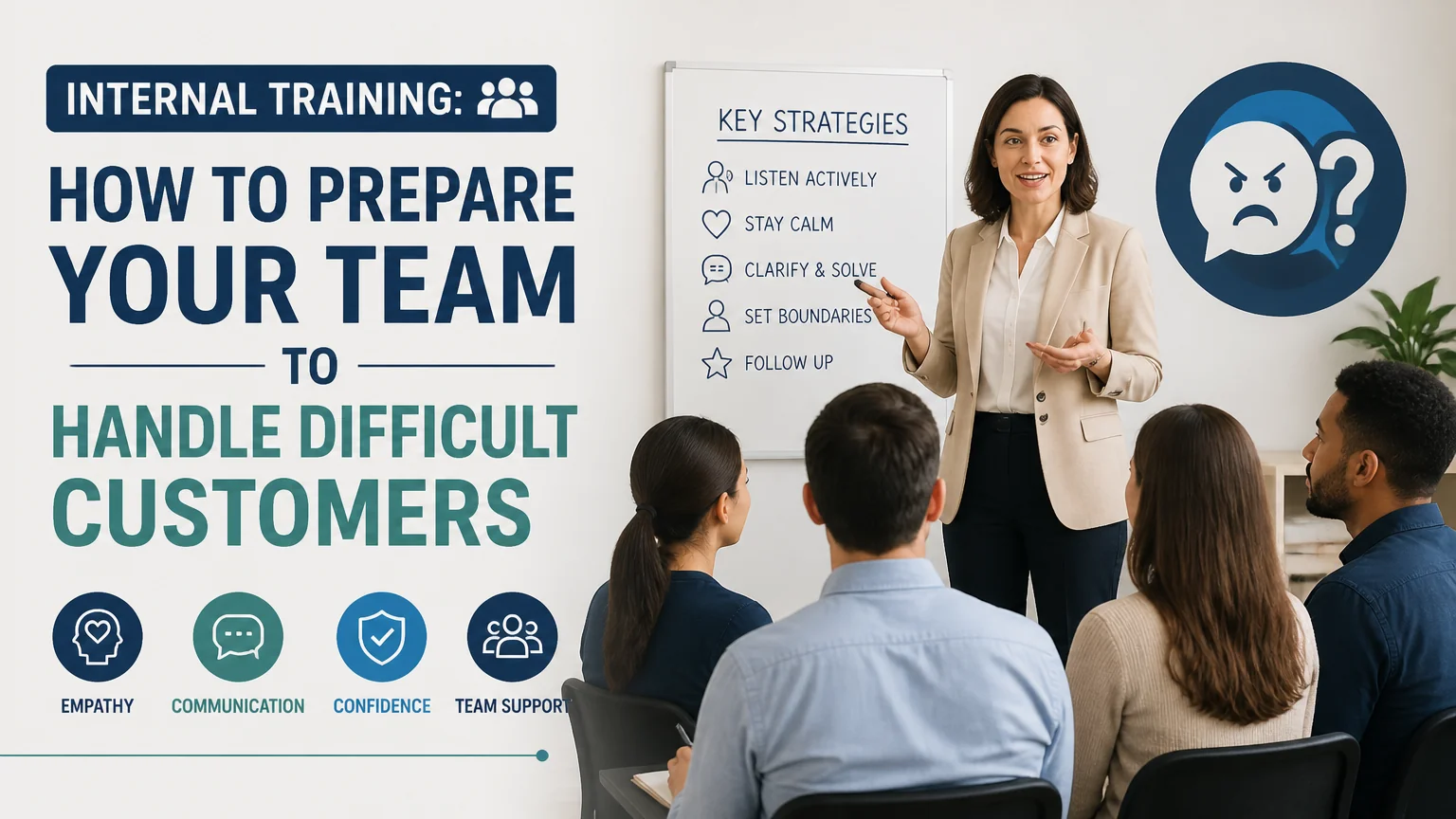
Applying techniques in a logical order increases their effectiveness. First, validate the emotion; then, clarify the facts; next, offer options and agree on the next steps. If emotions remain high, return to active listening and reduce external stimuli if possible, for example, by changing locations or asking for a moment to check information.
If the client constantly interrupts or acts aggressively, set boundaries calmly. Do not respond aggressively. You can use phrases that establish a safe framework: “I want to help you, but we need to calm down so we can resolve this.” If the situation becomes untenable, ask a colleague for support or step back professionally.
Offering clear solutions and acting quickly builds trust. If you can’t resolve the issue right away, explain what steps you’ll take and by when. Always follow through on your promises; failing to do so usually makes the anger worse. When offering compensation or alternative solutions, explain your reasoning and the limits to avoid misunderstandings.
In extreme cases where there is a physical threat, prioritize safety. Know your company’s protocols: alert security, evacuate customers or colleagues if necessary, and maintain incident documentation. Do not attempt to force a resolution if there is risk; seek support and follow established procedures.
After the interaction, follow up to ensure the solution has been implemented and the customer feels taken care of. Reflect on what happened: What went well? What can be improved? Share lessons learned with the team to prevent future incidents and adjust processes or training. Continuous improvement reduces the recurrence of conflicts.
De-escalating a situation in person requires empathy, control of your own emotional state, and clear communication techniques. By prioritizing active listening, validating emotions, offering concrete solutions, and setting boundaries respectfully, you can turn a tense interaction into an opportunity to build loyalty. Regular practice of these strategies will strengthen your confidence and that of your team when dealing with customers during difficult moments.
Search
Popular searches