For Onlinecourses55
|
2026-10-03
For Onlinecourses55
|
2026-10-03
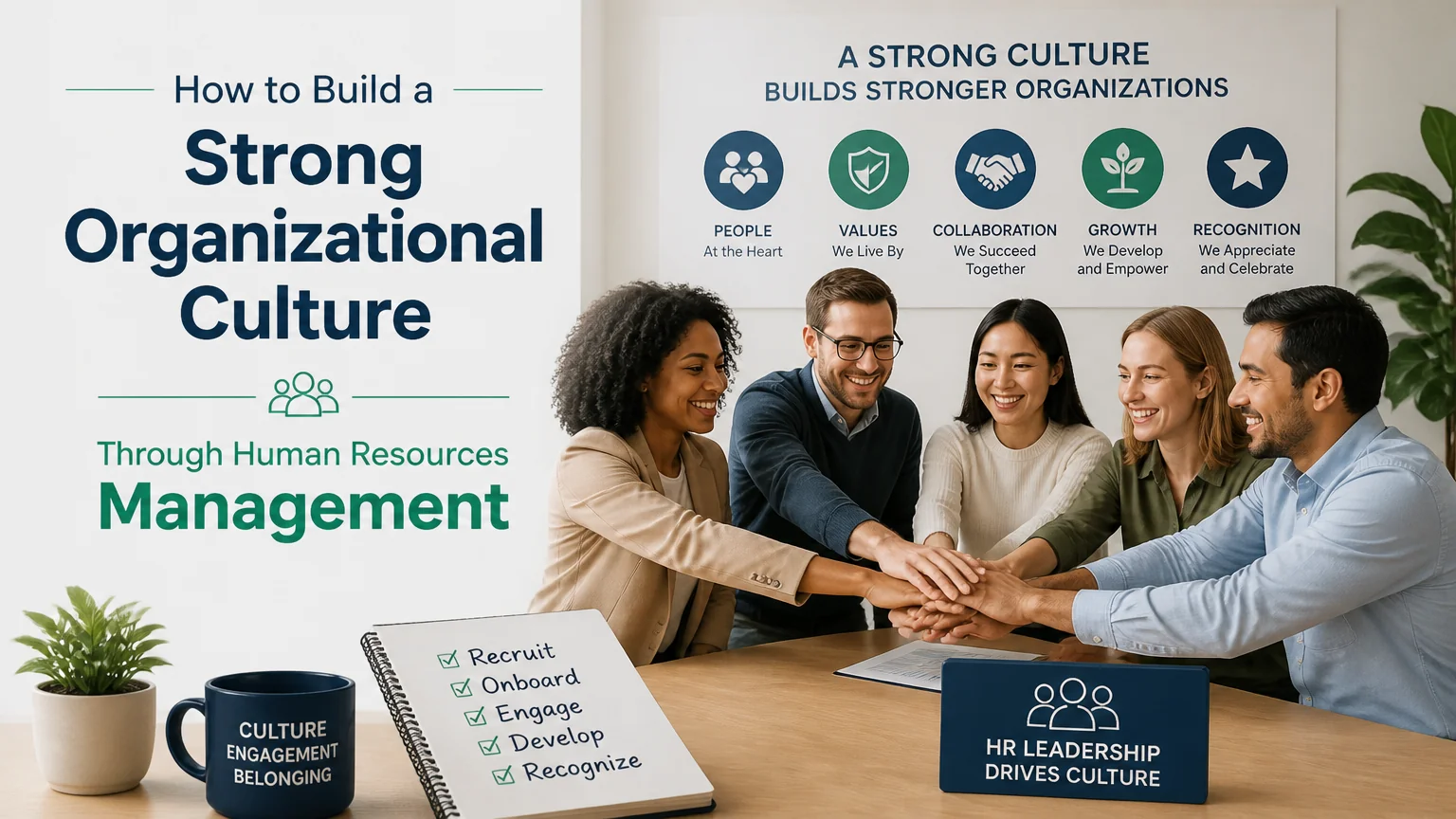
How to build a strong organizational culture through human resources management - human resources management
For organizations looking to enhance their internal culture, our program on aligning HR practices with corporate values offers actionable insights and methods to foster a healthier workplace environment.
Strengthening organizational identity and internal practices is not the sole responsibility of a single person or an isolated department; it is the result of consistent decisions, coherent practices, and commitment at all levels. The HR department can drive a systematic process that aligns values, behaviors, and structures to support performance and well-being. This text offers concrete steps and insights for designing, implementing, and sustaining a culture that promotes alignment, trust, and adaptability.
Culture defines how informal decisions are made, how information is interpreted, and what behaviors are considered acceptable. A healthy culture improves talent retention, accelerates the onboarding of new employees, and facilitates collaboration among teams. From a human resources perspective, understanding the tangible impact of culture allows us to prioritize initiatives that have a direct effect on outcomes such as productivity, innovation, and customer satisfaction.
Before designing interventions, it is essential to assess the current state. Tools such as climate surveys, qualitative interviews, analysis of informal networks, and process reviews help identify gaps between stated values and actual practices. It is vital to involve key stakeholders from different areas and levels to obtain a complete picture and avoid bias. The assessment should result in clear priorities with metrics that facilitate tracking.
Human resources management can operate on four complementary fronts: recruitment and onboarding, leadership and development, policies and processes, and recognition and communication. Each front helps reinforce the behaviors the organization aims to embed. The following describes specific actions that facilitate the transition from intention to practice.
Hiring people who share the organization’s values and demonstrate aligned behaviors is the foundation. The recruitment process should include behavioral criteria, situational questions, and assessments that measure cultural fit in addition to technical competencies. Onboarding should be structured, with clear mentors, explicit expectations, and activities that connect the new employee to the organization’s history and values.
Leaders model the expected behavior. Therefore, development initiatives should focus on communication skills, change management, effective feedback, and inclusive leadership. Mentoring programs and career development paths help reinforce best practices and motivate people to take on responsibilities. Performance evaluations should be aligned with desired behaviors, not just numerical results.
Internal policies must translate values into concrete rules and processes: how decisions are made, how conflicts are managed, and how information is shared. Practical measures include streamlining unnecessary bureaucracy, promoting responsible autonomy, and designing structures that facilitate collaboration. Furthermore, ensuring equity in compensation and opportunities reinforces credibility and organizational fairness.
Recognizing behaviors consistent with the culture reinforces their repetition. Designing formal and informal recognition systems—both monetary and symbolic—helps highlight best practices. Communication must be transparent and frequent: explain decisions, celebrate learning, and keep feedback channels open. A consistent narrative, repeated by leaders and managers, helps establish shared meanings.
What isn’t measured doesn’t improve. Establishing qualitative and quantitative indicators allows for the evaluation of cultural progress. Examples: turnover by department, climate survey results, participation rate in internal initiatives, average onboarding time, and diversity and inclusion metrics. Reviewing indicators periodically and adapting actions based on evidence keeps the strategy dynamic and relevant.
Common sources of resistance include a lack of alignment between rhetoric and practice, leadership changes, operational overload, and the perception that culture is a “soft” issue. To counter this, prioritize initiatives with visible impact, achieve small wins, train leaders in communication, and establish routines that support new practices. Involving employees in designing solutions increases engagement and relevance.
Here are some concrete and easy-to-implement actions from the human resources department:
Culture isn’t built overnight; it requires perseverance. Maintaining it involves reviewing policies, developing new leaders, documenting practices that work, and creating mechanisms to learn from mistakes. Investing in ongoing training and opportunities for reflection helps the culture evolve without losing its essence. It’s advisable to integrate culture into the business strategy so that day-to-day decisions reinforce it.
Strengthening the cultural fabric through human resources requires focus, tools, and patience. The key lies in translating values into observable behaviors, equipping leaders with the skills to model them, measuring progress, and adjusting actions based on evidence. Starting with initiatives that yield quick results and scaling them up, involving people in the design process, and communicating transparently are measures that sustain change. With consistent steps and alignment between words and actions, culture becomes a strategic asset.
If you’re looking to get started tomorrow, here’s a simple three-phase roadmap: diagnose, act, and consolidate. In the diagnostic phase, gather quantitative and qualitative data and clearly share the results. In the action phase, select two or three pilot initiatives that generate visible impact and assign responsible parties. To consolidate, institutionalize effective practices, document lessons learned, and establish quarterly review routines.
Consistency and empathy make all the difference. Listening with humility, acknowledging mistakes, and adjusting your actions builds credibility. Culture is built collectively: small, everyday decisions, repeated with purpose, intentionally create the environment organizations seek.