For Onlinecourses55
|
2026-09-07
For Onlinecourses55
|
2026-09-07
What topics are covered in an online holistic nutrition course? - nutrition holistic
Curious about how to align your health practices? Discover the benefits in our holistic nutrition program, which emphasizes the interconnectedness of all aspects of living.
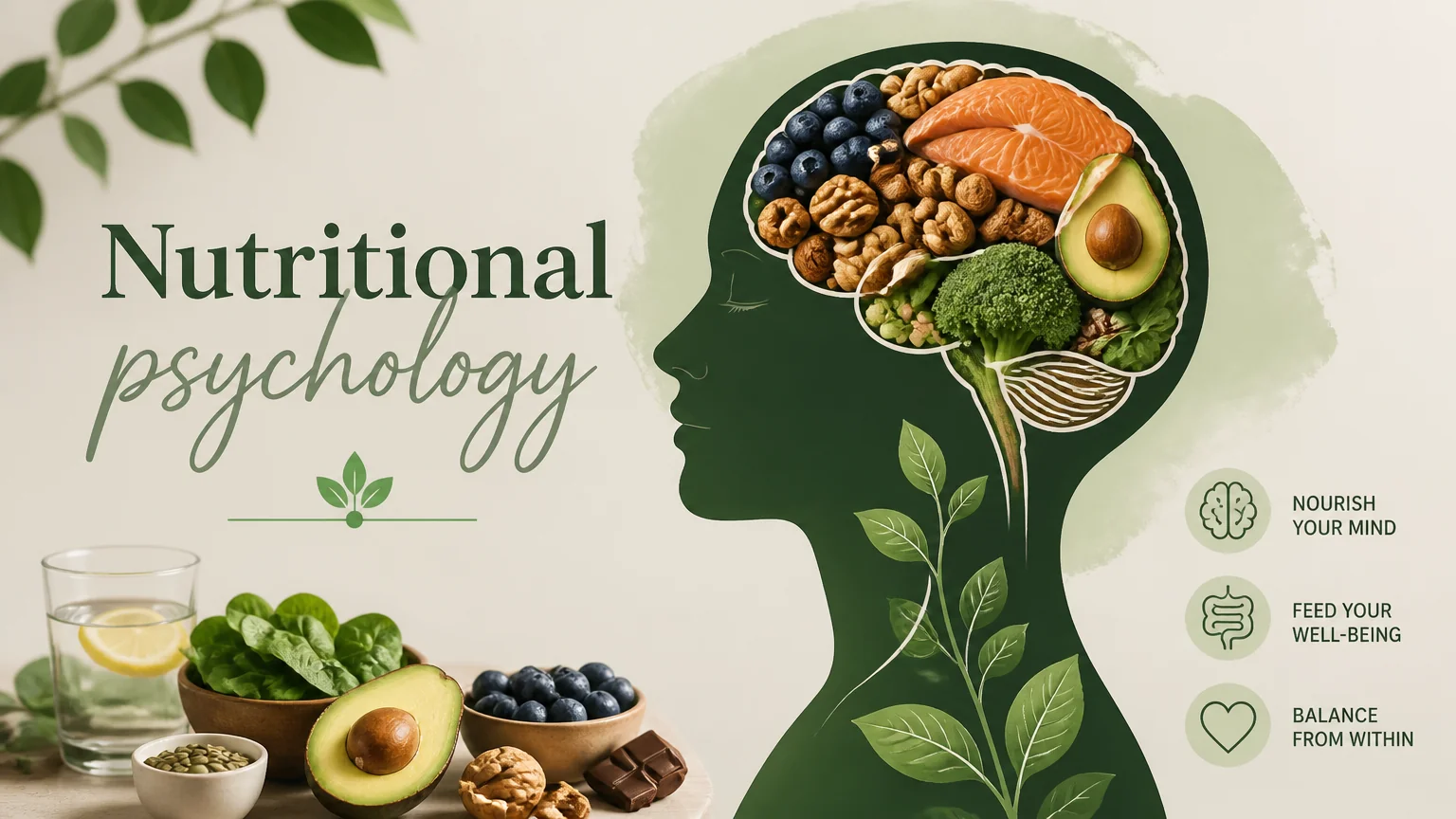
Have you ever wondered how nutrition can go beyond simply counting calories and worrying about the numbers on the scale? Holistic nutrition invites you to explore a deep connection between your body, mind, and spirit. An online holistic nutrition course opens the doors to a world of fascinating knowledge. But what topics are covered exactly in this type of course? Let's find out!
Before diving into the details, it's important to understand what holistic nutrition is exactly.
"Holistic" comes from the Greek "holos," meaning "whole." In the context of nutrition, holistic: implies viewing the person as an integrated whole, rather than just focusing on isolated symptoms or body parts. It considers your health as a complex ecosystem: everything is interconnected.
Why choose a holistic approach? Because it allows you to address the root causes of your health problems, instead of just treating the symptoms. By considering your lifestyle, stress level, emotional history, and environment, holistic nutrition empowers you to create a personalized plan that works for *you*. It's like building a house on solid foundations, instead of an unstable base.
Now, let's get down to business. What will you learn in an online holistic nutrition course? Here is an overview of the most common topics:
Obviously, you need a solid foundation in the basic principles of nutrition. This includes understanding the different types of nutrients and how they function in the body.
You will learn about macronutrients: proteins, carbohydrates, and fats. What types of foods contain them? What is their primary function? How to balance their consumption for optimal health? From the role of essential amino acids to the importance of healthy fats, this is the ABC of nutrition.
Vitamins and minerals: are like the tiny pieces of a clock that make everything run smoothly. You will discover which vitamins and minerals you need, which foods contain them, and how the deficiency of certain nutrients can affect your health. You will also learn about bioavailability and how to optimize the absorption of these essential nutrients.
Holistic nutrition recognizes the profound connection between the mind and the body. What you think and feel can have a significant impact on your physical health and vice versa.
Chronic stress: can wreak havoc on your body. You will learn how stress affects digestion, nutrient absorption, and the immune system. You will also discover strategies for managing stress and minimizing its negative impact on your health. Imagine stress as a silent thief that steals essential nutrients from your body.
Have you ever eaten something without even realizing what you were eating? Mindful eating: invites you to pay full attention to your meals, savoring every bite and connecting with your body's hunger and satiety signals. You will learn mindfulness techniques to improve your relationship with food and reduce emotional overeating.
Herbs and supplements can be powerful tools to support health and wellness.
You will explore the world of medicinal herbs: and learn about their healing properties. From chamomile to calm the nerves to ginger to relieve nausea, you will discover how to use herbs safely and effectively to support your health.
Supplements: can be useful for filling nutritional gaps and supporting certain bodily functions. However, it is important to use them with caution and under the guidance of a professional. You will learn about the different types of supplements, their benefits and potential risks, and how to determine if you need supplementation.
Gut health is fundamental to overall health. A healthy gut harbors billions of beneficial bacteria that help digest food, absorb nutrients, and strengthen the immune system.
You will learn about the microbiome: the community of microorganisms that live in your gut, and how it affects your health. You will discover how to feed your beneficial bacteria with foods rich in fiber and probiotics.
Detoxification: is the process of eliminating toxins from the body. You will learn about natural detoxification strategies, such as drinking plenty of water, eating foods rich in antioxidants, and practicing regular exercise. You will also explore the role of elimination organs, such as the liver and kidneys, in the detoxification process.
Once you have mastered the fundamentals, you can explore more advanced topics in holistic nutrition.
Every person is different, and what works for one person may not work for another. Personalized nutrition: involves tailoring your eating plan to your individual needs, taking into account your body type, health history, lifestyle, and dietary preferences.
Nutritional needs: change throughout life. You will learn how to adapt your diet to different life stages, such as childhood, adolescence, pregnancy, lactation, and old age.
Vegetarian and vegan diets: can be healthy, but it is important to ensure you get all the necessary nutrients. You will learn about the nutrients that may be deficient in these diets, such as vitamin B12, iron, and calcium, and how to obtain them from plant sources.
If you are an athlete or simply enjoy exercising regularly, holistic sports nutrition can help you optimize your performance and recovery.
You will learn how nutrition: can affect your athletic performance, from energy and endurance to strength and speed. You will discover which foods to eat before, during, and after exercise to maximize your results.
Muscle recovery: is essential to prevent injuries and improve performance. You will learn about natural muscle recovery strategies, such as eating protein after exercise, getting enough sleep, and taking contrast baths.
Why opt for an online course instead of a face-to-face one? There are several advantages:
You can study at your own pace and on your own schedule. You don't have to travel to a physical location or attend classes at fixed times. This: is ideal if you have a busy job or family commitments.
Many online courses: are taught by experts in the field of holistic nutrition. You will also have the opportunity to connect with other students and build a supportive community. It's like having a virtual study group at your fingertips.
An online holistic nutrition course: provides you with a deep understanding of the connection between diet, health, and overall well-being. From the fundamentals of nutrition to advanced topics such as personalized nutrition and gut health, you will gain the tools and knowledge you need to transform your life and the lives of others. Are you ready to embark on this transformative journey?
Search
Popular searches